Soma Mater Newsletter – 29.06.2026
Welcome to the SOMA MATER weekly newsletter.
At SOMA MATER, we deliver comprehensive research and advisory services focused on Food & Water Security and Net Zero Transition in the MENA Region. To help our clients navigate these topics and understand the regional narrative, we accelerate problem-solving and unlock new opportunities through Strategic Advisory and/or Projects.
This weekly newsletter highlights the top 3 stories from the past week in Food and Water Security and Net Zero transition, along with SOMA MATER’s analysis and perspective.
Why should governments better integrate water access and food policy to reduce food insecurity risks in vulnerable communities?
How can the ‘Sustainable Goodness Initiative’ turn abandoned food shipments into a scalable model for reducing import-linked food losses?
How have Egypt’s food subsidy system impacted its wider food security?
Sustainably yours,
The SOMA team
Thirst And Hunger: Global Poll Reveals The Linked Risks
#FoodandWaterSecurity
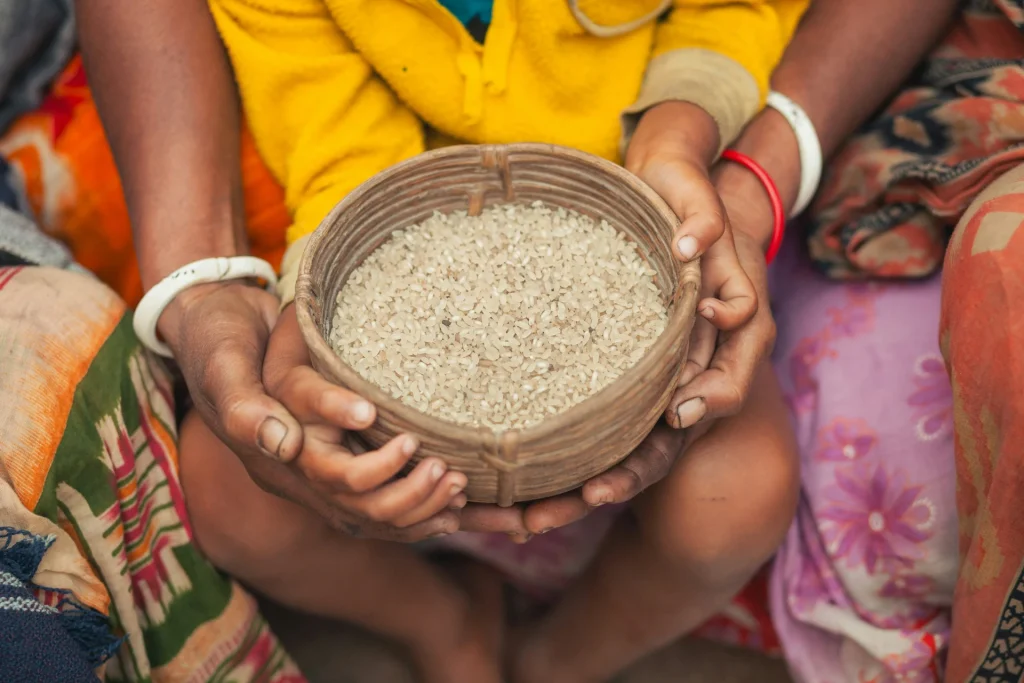
A new global study links people without access to clean drinking water with higher food insecurity. The analysis found they are more likely to report lacking food and experiencing food safety threats. The research was published in Nature Food. It draws on the Lloyd’s Register Foundation World Risk Poll covering 124,003 respondents across 121 countries.
About 10% of respondents lacked clean drinking water, food, or both (including high-income countries). Low-income countries, especially in eastern Africa, showed compounded challenges around water access and food safety. Some high-income countries in Northern America also showed the same effects. The pattern points to shared pressures such as infrastructure gaps, poverty, homelessness, war, and constraints on safe food preparation.
Acute food insecurity is likely to worsen across several Arab and Muslim countries. Palestine, Yemen, and Sudan are among the highest-risk. Climate change, population growth, and rising pressure on water resources could intensify these risks, specifically for low-resource communities. The study argues that water and food crises must be measured, planned for, and addressed together, not in isolation.
SOMA’s Perspective:
The water and food security issue is less about national wealth and more about neglected infrastructure, inequality, and exposure to shocks. This is becoming evident as pressure is reported even in high‑income countries. Measuring and addressing water and food together is no longer an option, but will be the way government and companies must operate moving forward.
Customs Clock: How Delays Can Decide A Shipment’s Fate
#FoodandWaterSecurity
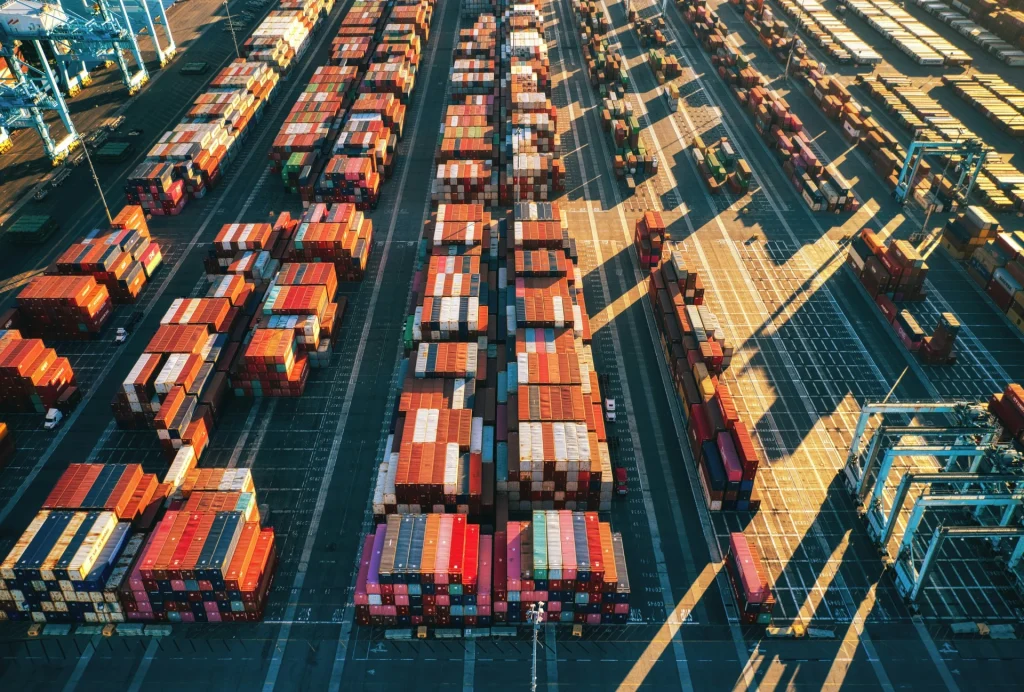
The UAE Food Bank and the DP World Foundation launched a new initiative. The ‘Sustainable Goodness initiative’ will recover abandoned food shipments at Jebel Ali Port. The initiative will be delivered with Dubai Municipality, Dubai Customs and DP World. The focus will be managing food shipments of owners who fail to complete customs clearance procedures.
Time is a common choke point in this industry. It is crucial for perishables and delays can ruin whole loads. Food shipments may need sign-off from customs, port health, and food safety teams before release. This turns clearance into a compliance and logistical challenge. The World Bank says border delays can cut the value of time sensitive exports by up to 15%.
In the UAE, labelling compliance is the leading cause of food delays or rejection, often forcing relabelling, re-shipping, or destruction. The GCC is highly vulnerable with about 85% of food coming from imports. Additional religion-specific requirements like Saudi Arabia’s halal-export rules mean that every stage must comply with regulations. Similar barriers exist elsewhere: in Uruguay, near-expiry imports may be destroyed because donation can cost more than disposal. Safe surplus is often auctioned instead of donated due to legal and logistical hurdles.
SOMA’s Perspective:
When a shipment is held or rejected, the market responds predictably: stakeholders scramble to save value. This causes donation to compete with re-routing or resale. Destruction is typically a last resort because the priority is to preserve the shipment’s value and ensure it isn’t lost. If the UAE can make recovery the default outcome through rapid inspection and trusted redistribution channels, it offers a practical blueprint for circularity.
Bread And Balancing Acts: Egypt’s Social Contract Shapes Food Policy
#FoodandWaterSecurity
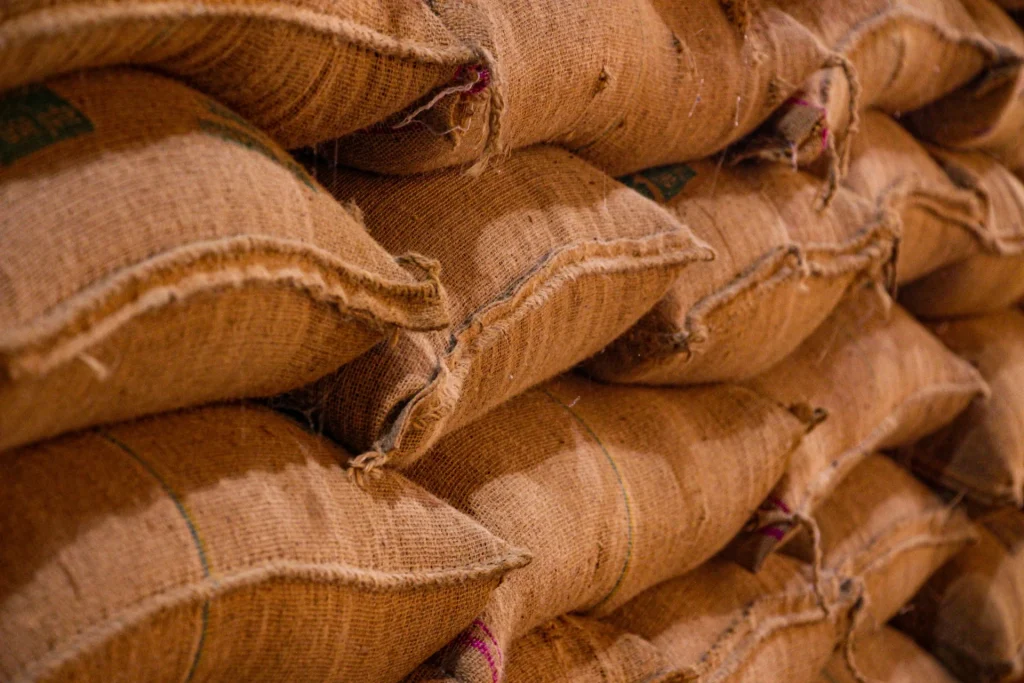
The OECD (Organisation for Economic Co-operation and Development) released the “Policies for the Future of Farming and Food in Egypt” report in May. It highlights that despite Egypt’s agricultural sector growing, food demand grows faster. Agriculture accounts for 14% of GDP and is central to Vision 2030 and the structural reform agenda. Expansion has relied on reclaiming marginal desert lands for production, yet the population reached 116.5 million in 2024.
Egypt’s policy prioritizes food availability. It targets higher self-sufficiency in strategic crops and uses minimum guaranteed prices and domestic procurement of staples. The wider subsidy system includes subsidized baladi bread, an electronic ration card program for essential goods, and discounted natural gas for fertilizer producers. This supports about two-thirds of the population. Yet this system is costly, can encourage fertilizer overuse, and is not well targeted to the poorest households.
This system has become a core part of Egypt’s social contract. Yet they reduce market responsiveness and weigh on the economy (2.8% of GDP in 2022–24). This has also led to Egypt’s paradoxy: exporting more, but with a rising import bill. Agro-food imports were about $19 billion in 2024 while exports were around $10 billion, a gap of nearly $9 billion. Besides reforms, Egypt’s experience with the Takaful and Karama programs suggest other approaches like cash transfers can better address poverty.
SOMA’s Perspective:
Egypt’s food system is pulled between commitments to cheap staples and the economic reality of subsidies. For the stakeholders most interested, such as the World Bank, the IMF, Al Dahra, and Jenaan Investment, any move can reshape who captures value across the supply chain. This is a clear example of how policy shifts the risk calculus for partners involved. At SOMA, we are ready to lead these conversations and help players understand their position and how to benefit within this ecosystem.
If you’d like to know more, contact us through:
Subscribe To Our Newsletter
Categories
- Events 4
- Intelligence Reports 2
- Newsletter 27
- Uncategorized 0
- Whitepapers 6