Soma Mater Newsletter – 28.09.2026
Welcome to the SOMA MATER weekly newsletter.
At SOMA MATER, we deliver comprehensive research and advisory services focused on Food & Water Security and Net Zero Transition in the MENA Region. To help our clients navigate these topics and understand the regional narrative, we accelerate problem-solving and unlock new opportunities through Strategic Advisory and/or Projects.
This weekly newsletter highlights the top 3 stories from the past week in Food and Water Security and Net Zero transition, along with SOMA MATER’s analysis and perspective.
Where has policy and investment been directed to and how has sentiment around sustainability and AI changed since?
How can fertilizer use be used to increase food production while reducing environmental harm?
How can Saudi Arabia protect food security as drought and groundwater depletion grow?
Sustainably yours,
The SOMA team
Divergent Dollars: Why $17 Trillion Still Leaves Big Emitters Behind
#NetZeroTransition
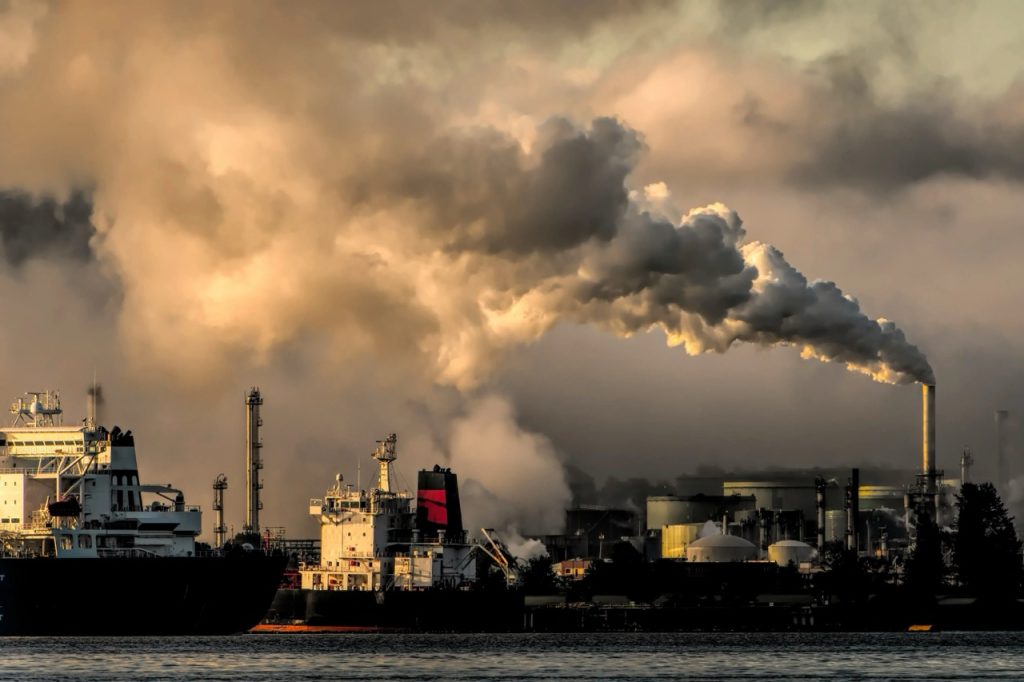
Momentum in sustainability transition is unevenly spread. Private companies and governments have invested $17 trillion in sustainable technologies over the past decade. In 2025, investments in sustainability hit a record $2.4 trillion. 90% of this investment flowed to green energy, buildings and mobility. The underfunded sectors (agriculture, manufacturing and materials, and natural capital) produce roughly 37% of global greenhouse gas emissions but received less than 10% of investment.
Technology progress has the same split. Only solar, batteries, and EVs beat deployment forecasts, while 29 did not meet projections. Public sentiment is also shifting: environmental concern is on the rise after three years of decline. In 2026, 85% of surveyed consumers said they worry about sustainability, up from 79% last year. Consumers still change habits, but cite economics, health or resilience rather than climate goals as the main driver.
Asset analyses shows heavy industries get rare chances to retrofit, with major refurbishment windows only every 25-35 years. Other sectors, such as solar companies, can adapt far more often. The energy impact of artificial intelligence is also widely misunderstood. Executives overestimate usage 16-fold and consumers nearly 30-fold, while the modelled share is just 0.7%.
SOMA’s Perspective:
Business impact is now practical and less ideological. There is a new way to tackle environmental communication to the public and to companies. For companies and policymakers, the strongest case for action has to connect environmental performance to economics, health or operational resilience. Sustainability benefits need to become measurable and credible for quality of life and supply chain operations.
A World of Difference: Where Fertilizer Use Is Falling—and Where It’s Rising
#FoodandWaterSecurity
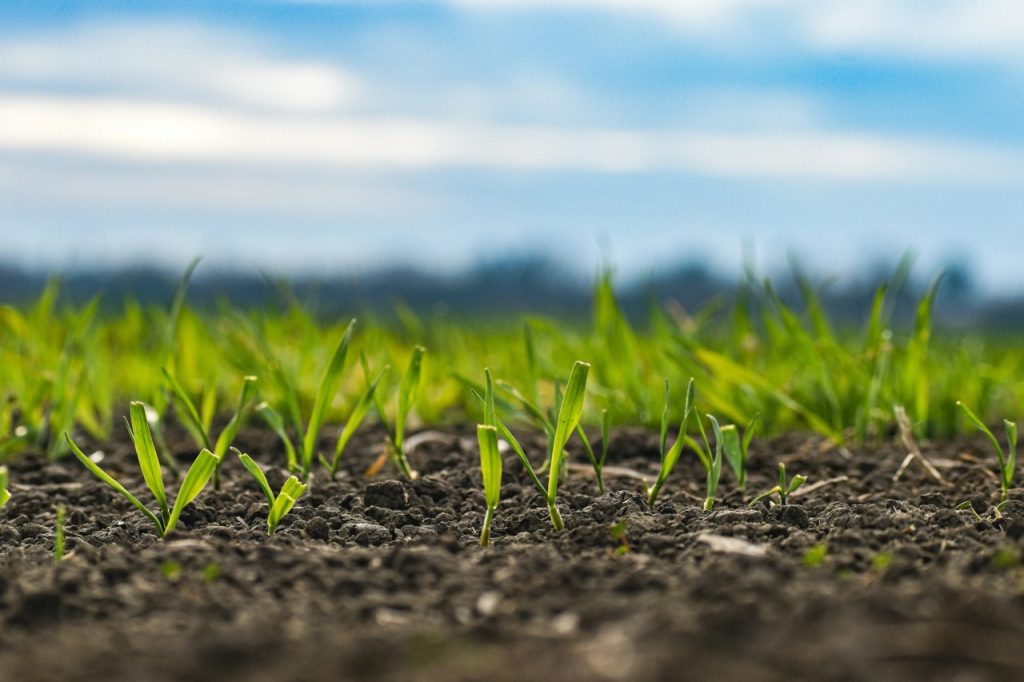
A new dataset shows how uneven fertilizer use has become. Global consumption of fertilizer has doubled since 1980. Researchers estimate fertilizers generate food quantities for about half of the world’s population. In many developing economies, economic development has been faster where fertilizer use and crop yields rose together.
The study evidence spans crop-specific nitrogen, phosphorus and potassium fertilizer application rates for every country from 1980 to 2022. The results show ten-fold gaps in nitrogen application rates across regions. Most nutrients go to croplands including perennial systems. Nearly two thirds of recent nitrogen fertilizer use went to cereal production, led by maize and wheat. About half of total phosphorus fertilizer use also went to cereal production.
Places that overused fertilizer around the 1980s-2000 (such as China and parts of Europe), have started reducing applications. Low and often insufficient applications rise in places like Ethiopia and Vietnam and parts of sub-Saharan Africa. Optimizing fertilizer use could raise output and could produce enough crops to feed the world while reducing environmental harm.
SOMA’s Perspective:
The tension in fertilizer use is that growth can also be driven by expanded farm area. This makes inputs become a dependency. For countries like Egypt, each additional acre can amplify exposure to supply shocks and price volatility. Expansion needs to be matched with disciplined application practices and supply planning. The “catch up, overuse, then correct” cycle that regions experience can be expensive and hard to reverse.
Desalination and Drought: The Climate Risks Behind Saudi Arabia’s Food Supply
#FoodandWaterSecurity
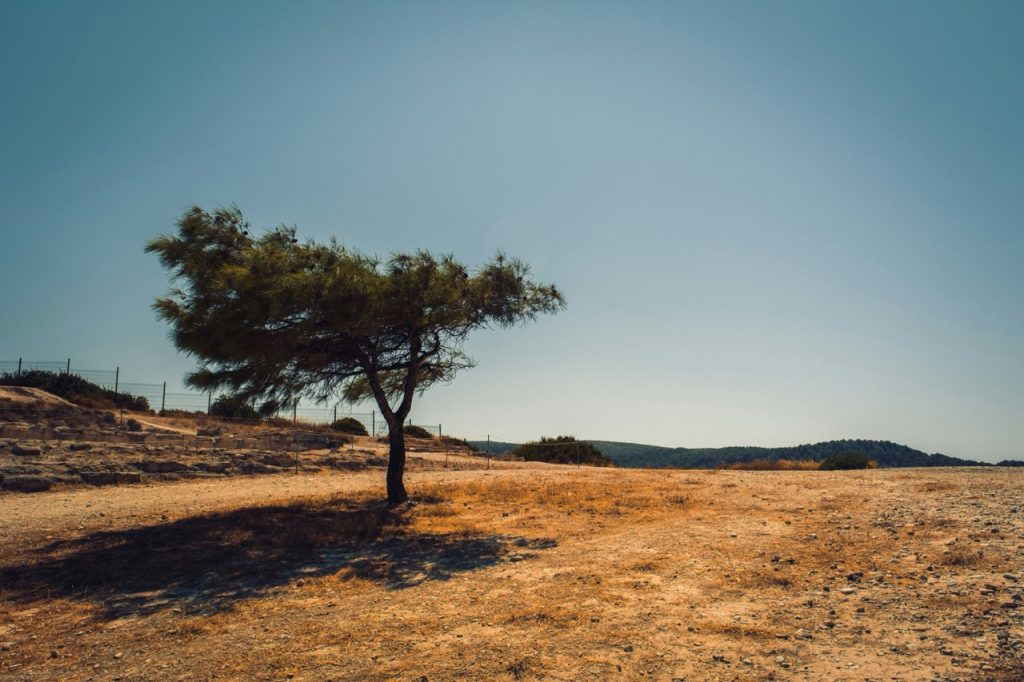
Saudi Arabia’s food and water systems face climate change pressure. With no perennial rivers or other natural sources, it relies on non-renewable groundwater and energy intensive seawater desalination. Agriculture consumes 80–85% of national water yet contributes less than 5% of GDP. Groundwater levels fell from over 50 meters in 1990 to 30 meters in 2020, while 79% of use comes from non-renewable aquifers.
Climate trends could worsen these pressures. By 2050, MENA temperatures are projected to rise 2–4 °C and precipitation to drop 20–40%. Temperatures are already rising 0.4–0.6 °C each decade in the country. With agricultural output forecast to fall 10–20% by 2050, Saudi Arabia needs climate-resilient farming, more efficient irrigation and diversified food imports.
A study of annual data in Saudi Arabia from 1990 to 2023 reveals the links between climate, food and water security. A one-degree temperature increase reduces agricultural output by 0.28% and a one-millimeter increase in rainfall raises it by 0.31%. Each unit rise in drought frequency increases food imports by 0.41%, and each unit increase in water use lowers groundwater levels by 0.39%.
SOMA’s Perspective:
Food-import reduction is not simply producing more at home. Drought is overlooked, but it also affects countries’ import dependence, as is the case in Saudi Arabia. Additional rainfall is also associated with higher agricultural production, making water resilience important to import strategy. Regional plans should account for this climate exposure, rather than treating decreasing import dependence as a target in isolation.
If you’d like to know more, contact us at:
Subscribe To Our Newsletter
Categories
- Events 4
- Intelligence Reports 2
- Newsletter 26
- Uncategorized 0
- Whitepapers 6