
Soma Mater Newsletter – 27.07.2026
Welcome to the SOMA MATER weekly newsletter.
At SOMA MATER, we deliver comprehensive research and advisory services focused on Food & Water Security and Net Zero Transition in the MENA Region. To help our clients navigate these topics and understand the regional narrative, we accelerate problem-solving and unlock new opportunities through Strategic Advisory and/or Projects.
This weekly newsletter highlights the top 3 stories from the past week in Food and Water Security and Net Zero transition, along with SOMA MATER’s analysis and perspective.
How will Saudi Arabia’s renewable-powered desalination requirements reshape project economics and emissions across its water sector?
How will the UAE’s Adaa performance system and National Data Action Plan close the hardest 37% of SDG indicators?
How could deep mountain groundwater reshape water-supply reliability as climate variability disrupts river timing?
Sustainably yours,
The SOMA team
Desalination At Scale: Saudi Arabia Makes Energy The Water Strategy
#NetZeroTransition
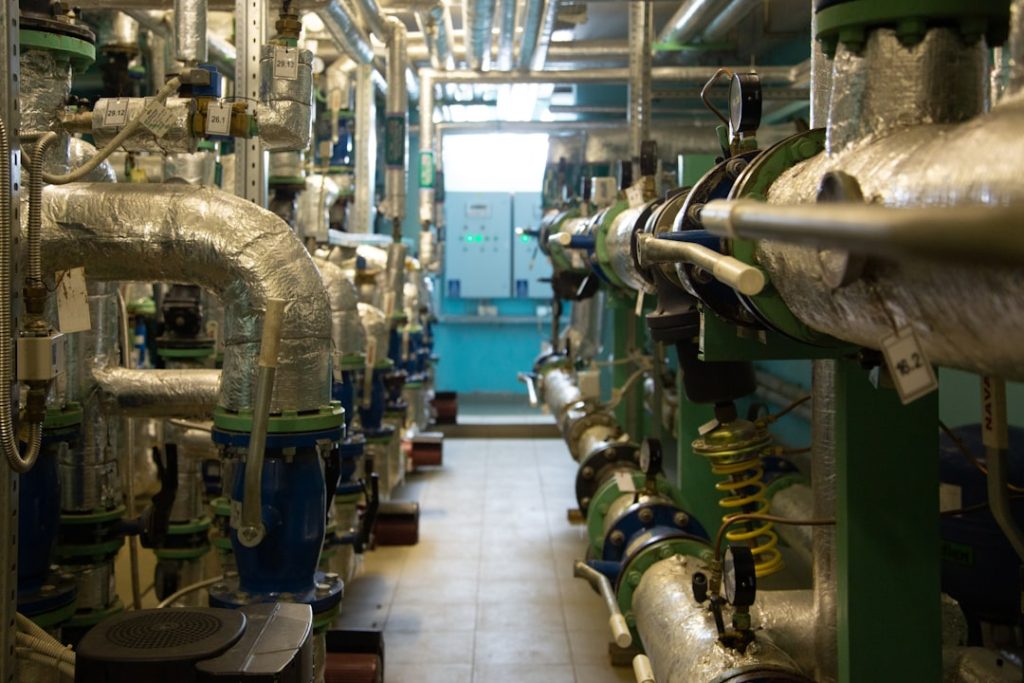
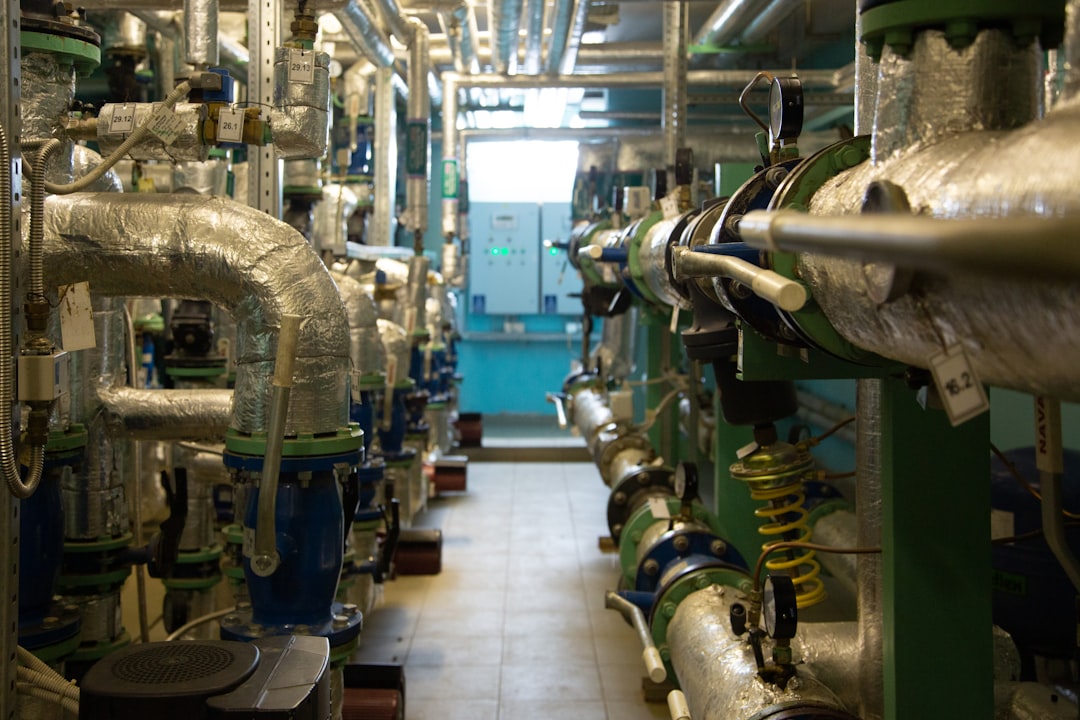
Saudi Arabia is scaling desalination at a pace that makes energy strategy the deciding factor. The kingdom now produces over 10.7 million m³/day of desalinated water, which is the world’s largest output. At that scale, energy becomes a key determinant of competitiveness, sustainability and commercial viability. Developers are discovering that power planning is now built into the economics from day one.
Renewables have moved from an option to a formal procurement and contractual requirement that shapes bids and financing. SHARAKAT is embedding energy-cap clauses and solar energy requirements into tender design and concession terms. These conditions follow the Saudi Water Authority’s guidelines, and they align with the Saudi Green Initiative (SGI). SGI sets net zero by 2060 and targets 278 million tonnes/year in carbon reductions by 2030 plus a 50/50 renewable-gas energy mix by 2030.
The emissions and cost stakes are already visible across the operating portfolio. SHARAKAT used 2.95 billion kWh of electricity in 2024, and this produced 1.62 million metric tonnes of CO₂ as Scope 2 emissions. Plants are given tailored energy targets, and wastewater assets add biogas capture to push reductions further. The proof is in projects like Jubail 3A IWP (Independent Water Project) with a 45.5MW solar system delivering 20% of energy needs at below 2.9 kWh/m³, plus ~60,000 tonnes of CO₂ annually and a record 27 months to delivery at $0.41/m³
SOMA’s Perspective:
The real shift is that Saudi desalination is that the energy strategy is being hardwired into tender design, financing, and day‑one project economics as output scales past 10.7 million m³/day. With SHARAKAT embedding energy-cap clauses and solar requirements aligned to Saudi Water Authority guidelines and the Saudi Green Initiative, developers will be forced to compete on power performance as much as water cost, with Scope 2 exposure already visible in 2.95 billion kWh and 1.62 million tonnes of CO₂ in 2024. Watch whether procurement terms and plant‑level targets translate into consistently lower kWh/m³ outcomes at scale, as early examples like Jubail 3A’s 45.5MW solar system and 20% energy contribution suggest.
How The UAE Hardwired SDGs Into Government Delivery
#FoodandWaterSecurity
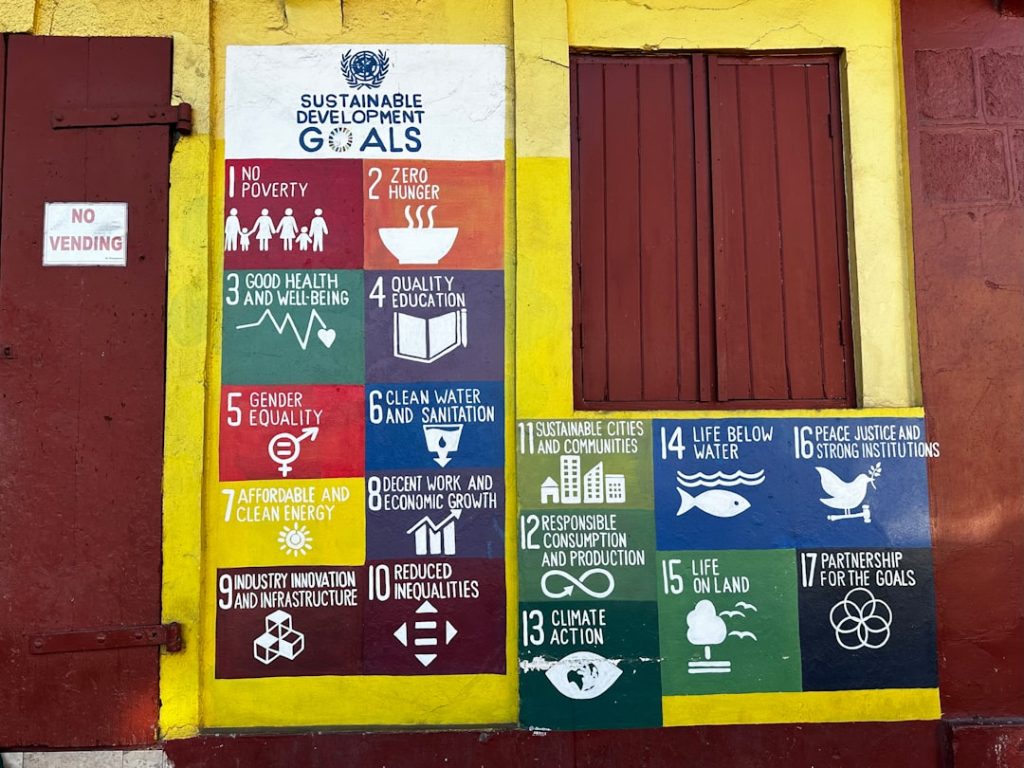
The UAE is turning the SDGs into a working system for government delivery. In its third Voluntary National Review at the United Nations, it reported progress on 63% of national SDG indicators. Officials said sustainability now shapes planning and decisions across government. The SDGs are being used as tools for performance and delivery.
The UAE is now targeting the hard part of the agenda with sharper data and tighter policy design. The remaining 37% of indicators are framed as the most difficult gaps to close. The National Data Action Plan is being used to concentrate effort on resource efficiency measures. This is linked to the Water Security Strategy 2036, which uses AI and mapping to address SDG 6 (Clean Water) and SDG 13 (Climate Action).
The UAE is also positioning this model as a platform for post-2030 leadership and exportable solutions. It launched the SDGs 2045 initiative and reaffirmed its commitment to the 2030 Sustainable Development Agenda. The metrics are now hardcoded into the federal performance management system called the Adaa system. Every sector budget and policy review is checked against green and equity indicators and the country is expanding Official Development Assistance (ODA) while shaping the UN post-2030 “SDGs 2045” dialogue.
SOMA’s Perspective:
The UAE is treating sustainability less as a set of goals and more as a delivery system, but the remaining 37% of indicators will test whether performance frameworks can move the hardest outcomes. By linking the National Data Action Plan to resource efficiency and the Water Security Strategy 2036, and hardcoding SDG metrics into the Adaa system, it is tightening incentives across budgets and policy review rather than leaving SDGs as reporting.
Bread for Breakfast: Egypt's Double-Sized Appetite for Wheat
#FoodandWaterSecurity

Mountains cover a quarter of Earth’s land surface, and they act as “natural water towers” for downstream communities. Billions of people rely on mountain-fed rivers for water, and climate shifts are changing river timing. Most science still tracks visible water in rivers, lakes, snow, and glaciers. That leaves a gap in what actually keeps flows steady when rainfall turns erratic.
Deep groundwater may be the missing buffer, because it is a largely invisible reservoir held inside mountain bedrock. Researchers are using environmental tracers and geophysical imaging to show that water moves through deep underground pathways. Early evidence suggests these deep stores can be more resilient to climate change than surface sources. If that holds, they could sustain river flows when surface water drops.
A BGS-led project is testing this idea in central Taiwan, with partners including the UK Centre for Ecology & Hydrology, New Mexico Tech, University of Basel, and National Cheng Kung University. Taiwan’s steep terrain and intense rainfall create a clear natural lab, and an existing groundwater observation network speeds up the work. The team is combining tracer data with geophysical techniques to build a first-of-its-kind digital model of groundwater flow through bedrock. The goal is to shift the paradigm of mountain hydrology and make deep groundwater measurable for planning where reliable supply is critical for maintaining reliable water supplies as climate variability rises.
SOMA’s Perspective:
Deep groundwater pathways that could stabilise supply aren’t sufficiently measured. If deep bedrock stores can sustain flows when surface water drops, then monitoring and modeling them becomes a practical input to resilience decisions for the billions who depend on mountain-fed rivers as climate variability shifts timing. Watch whether efforts like the BGS-led Taiwan work, using tracers and geophysical imaging to build a digital model, turn this “invisible reservoir” into something planners can quantify rather than assume.
If you’d like to know more, contact us through:
Subscribe To Our Newsletter
Categories
- Events 3
- Intelligence Reports 2
- Newsletter 25
- Uncategorized 0
- Whitepapers 6