
Soma Mater Newsletter – 26.10.2026
Welcome to the SOMA MATER weekly newsletter.
At SOMA MATER, we deliver comprehensive research and advisory services focused on Food & Water Security and Net Zero Transition in the MENA Region. To help our clients navigate these topics and understand the regional narrative, we accelerate problem-solving and unlock new opportunities through Strategic Advisory and/or Projects.
This weekly newsletter highlights the top 3 stories from the past week in Food and Water Security and Net Zero transition, along with SOMA MATER’s analysis and perspective.
How have companies, like NADEC, experienced tighter margins due to rising feed, shipping and distribution costs?
How could local dextrose supply help Abu Dhabi scale its alternative protein ecosystem?
How could Saudi Arabia’s fodder crop ban protect groundwater while raising feed costs for livestock businesses
Sustainably yours,
The SOMA team
Diesel Drag: How Persistent Fuel Costs Add Pressure to Food Supply Chains
#FoodandWaterSecurity
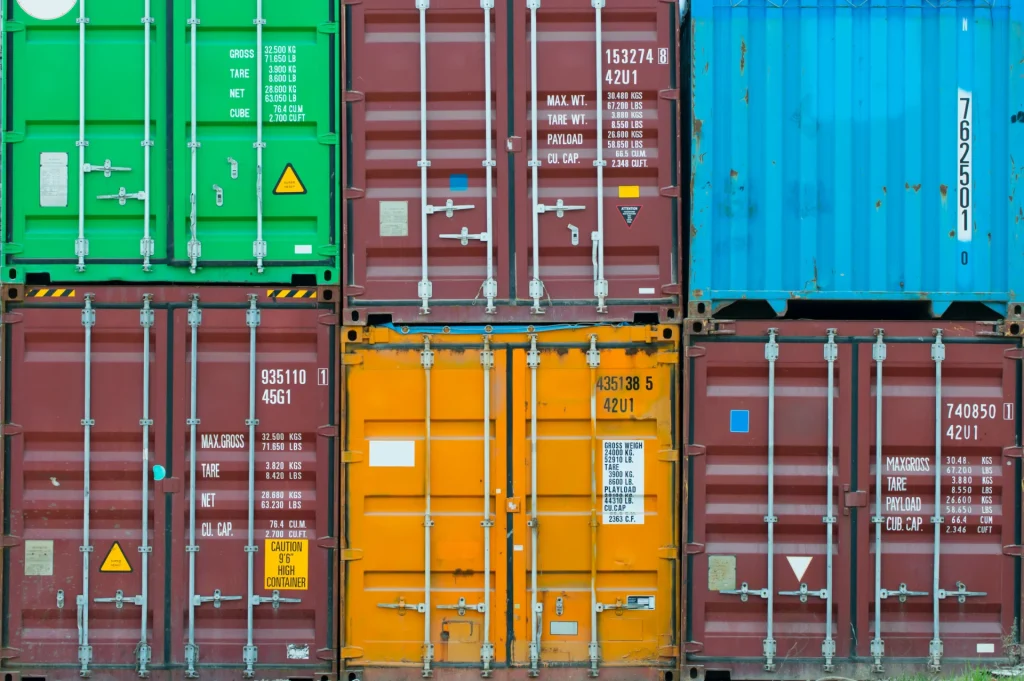
Cost has been the defining theme for food security in the last week. Energy costs dominated as Brent crude reached $110 on 16 October for the first time since May. The International Energy Agency agreed to release more than 20 million barrels due to the high diesel prices. Yet, global diesel shortage is expected to persist well into 2027, with inventories unlikely to recover until the second half of the year.
The UAE context reflects economic pressure. The International Monetary Fund (IMF) expects the country’s real GDP to contract by 3.9% in 2026 before growing 7.7% in 2027. Oman is the only GCC economy forecast to grow in 2026 at 4.1%. Against this backdrop, capital has sat largely still. In Saudi Arabia, the National Agricultural Development Co. (NADEC) reported that their nine-month profit dropped 43% (from SAR 329.35 million in 2025 to SAR 188.66 million).
The company has clear strategies moving forward. One of these includes prioritizing the strengthening of its supply chain resilience. The company’s CEO blames feed, shipping pressures, and distribution costs for the drop. Yet, these conditions are not expected to affect NADEC’s medium- and long-term strategic plan. It has a growing protein segment and is expecting to launch packaged red meat products for retail.
SOMA’s Perspective:
This is the tension in the GCC food system: higher feed, shipping and distribution costs are squeezing balance sheets even as companies keep their longer-term plans intact. For food businesses, resilience is absorbing cost shocks while strengthening supply chains and making disciplined choices about capital and new opportunities. In the coming months, the key focus will be if these changes can keep long-term plans on track without weakening food businesses.
Sources:
Corn to Culture: Al Ghurair’s Role in Abu Dhabi’s Alternative Protein Ecosystem
#FoodandWaterSecurity
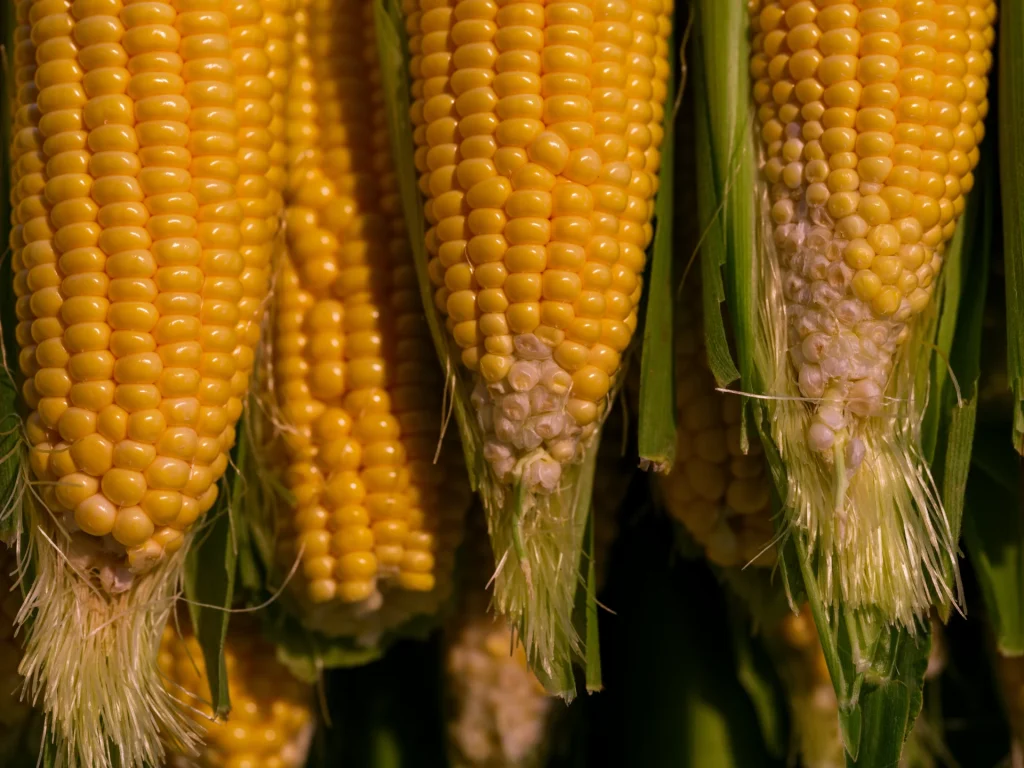
Al Ghurair Foods is the new local source of dextrose to Abu Dhabi’s alternative protein ecosystem. Dextrose is an important raw material for protein fermentation, as it is the primary carbon source that feeds microbial growth. Under a Memorandum of Understanding (MoU) with the New Agrarian-led consortium, Al Ghurair will produce dextrose syrup from its corn milling operations in the UAE. The aim is to supply the consortium’s planned 4-million-litre industrial-scale protein fermentation facility.
One of the main barriers to making alternative proteins cost-competitive is feedstock supply. Fermentation facilities also carry a heavy price, requiring average capital investments of $7 million to $12 million. In addition, relying on imported industrial carbon sources exposes companies to supply disruptions and volatile shipping fees. A dependable, homegrown supply like Al Ghurair reduces reliance on imported feedstock.
The Abu Dhabi Investment Office (ADIO)’s AgriFood Growth and Water Abundance (AGWA) cluster is leading this in Abu Dhabi. It is bringing together protein pioneers Vivici and The EVERY Company alongside clean food investor and developer New Agrarian. Al Ghurair Foods contributes almost 5 decades of grain milling and food manufacturing, supported by production facilities across the region.
SOMA’s Perspective:
Abu Dhabi’s alternative protein ambitions depend on reliable feedstock. Connecting Al Ghurair’s local corn milling to protein fermentation is a strong example of how companies can scale into new markets by repurposing existing facilities. This eases the sector’s substantial capital requirements. Coordination can turn existing industrial capability into reliable supply, rather than treating infrastructure reuse as a substitute for execution.
Feed Me Less Water: Saudi Arabia’s Shift From Perennial to Seasonal Fodder
#FoodandWaterSecurity
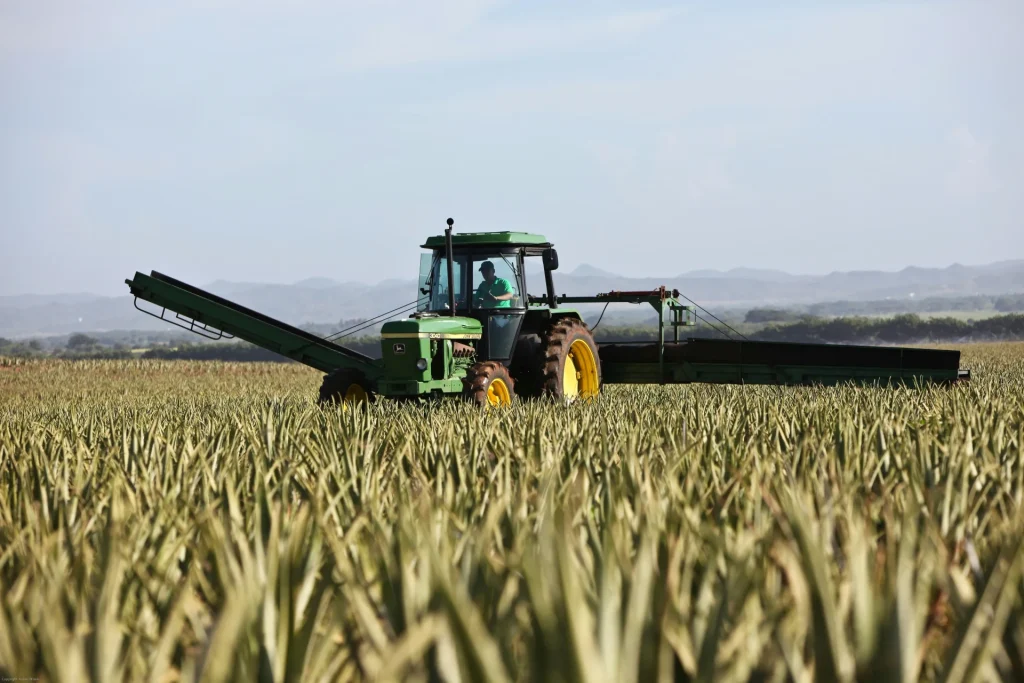
Saudi Arabia has revised its fodder crop policy. Starting November 16th 2026, Saudi Arabia will ban perennial fodder crops to protect groundwater. The ban covers sedimentary aquifers in Al-Jouf, Riyadh, Hail, the Eastern Province, Qassim and Tabuk. Perennial fodder (like alfalfa) grows for more than one year and is used to feed animals. Farms must now get a license to grow seasonal fodder (such as Egyptian clover or ryegrass).
The change aims to reduce groundwater use. Perennial fodder uses about 32,000 cubic metres of water per hectare each year. Seasonal fodder, on the other hand, uses less than 9,000 cubic metres for seasonal fodder. This could cut water use by 50–70%. Estidamah, the National Research and Development Center for Sustainable Agriculture, has tested 12 plant species over three years. It identified 7 promising types that produced 8–15 tonnes of winter fodder per hectare.
This policy change could bring consequences to stakeholders. After the Saudi 2018 green-fodder ban, some growers were still recovering from the impacts 6 years later. This could reduce fodder supplies across the Gulf and increase costs for livestock businesses. Small livestock farmers could face fodder shortages and higher feed costs, while large dairy companies could face higher costs or less reliable supplies. At the final stage, consumers could also pay more if businesses pass on the extra costs.
SOMA’s Perspective:
This exposes a specific detail about agriculture in the GCC: leaving fields bare can dry out topsoil microbes. For this reason, crop rotation (growing different types of crops on the same land across seasons) becomes critical. This is already being implemented in Saudi. Seasonal fodder planting is only allowed with crop rotation, and wheat is limited to one crop a year within the winter-to-spring cycle. Legumes in Saudi are mainly cultivated as part of crop rotation. This policy will be valuable if rotations keep soils functioning and fodder production viable over time.
Sources:
https://www.argaam.com/en/article/articledetail/id/1944977
https://agrifuture-mea.com/?p=1655&lang=en
https://www.arabnews.com/saudi-arabia/saudi-research-backs-shift-to-seasonal-forage-crops-2630925
https://www.argaam.com/en/article/articledetail/id/568056
https://www.argaam.com/en/article/articledetail/id/1763521
https://www.mewa.gov.sa/ar/Ministry/Agencies/AgencyofAgriculture/OrganicCompainIf you’d like to know more, contact us at:
Subscribe To Our Newsletter
Categories
- Events 6
- Intelligence Reports 2
- Newsletter 30
- Uncategorized 0
- Whitepapers 6