
Soma Mater Newsletter – 20.07.2026
Welcome to the SOMA MATER weekly newsletter.
At SOMA MATER, we deliver comprehensive research and advisory services focused on Food & Water Security and Net Zero Transition in the MENA Region. To help our clients navigate these topics and understand the regional narrative, we accelerate problem-solving and unlock new opportunities through Strategic Advisory and/or Projects.
This weekly newsletter highlights the top 3 stories from the past week in Food and Water Security and Net Zero transition, along with SOMA MATER’s analysis and perspective.
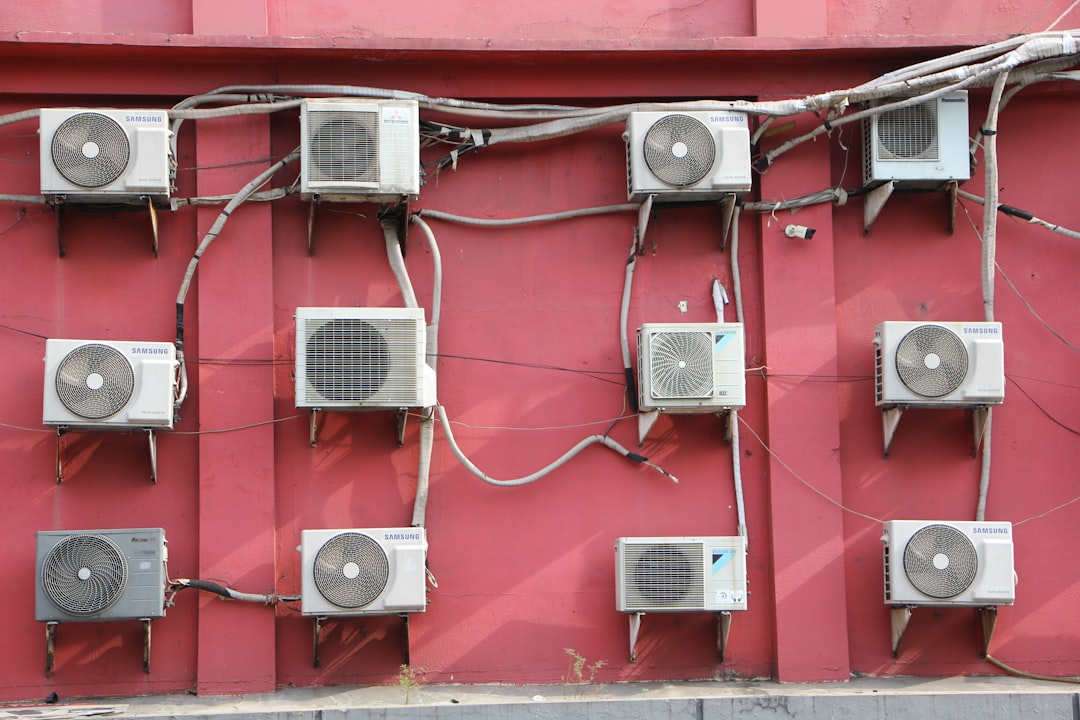
Can a New Cooling Standard Curb AC Oversizing and Energy Waste in Abu Dhabi?
How could Abu Dhabi’s AI-powered MRF shift strengthen the UAE’s circular waste management model?
How is Egypt integrating circular farming to strengthen food security?
Sustainably yours,
The SOMA team
Cooling Load, Cooler Bills: Abu Dhabi Targets Oversized AC Systems
#NetZeroTransition
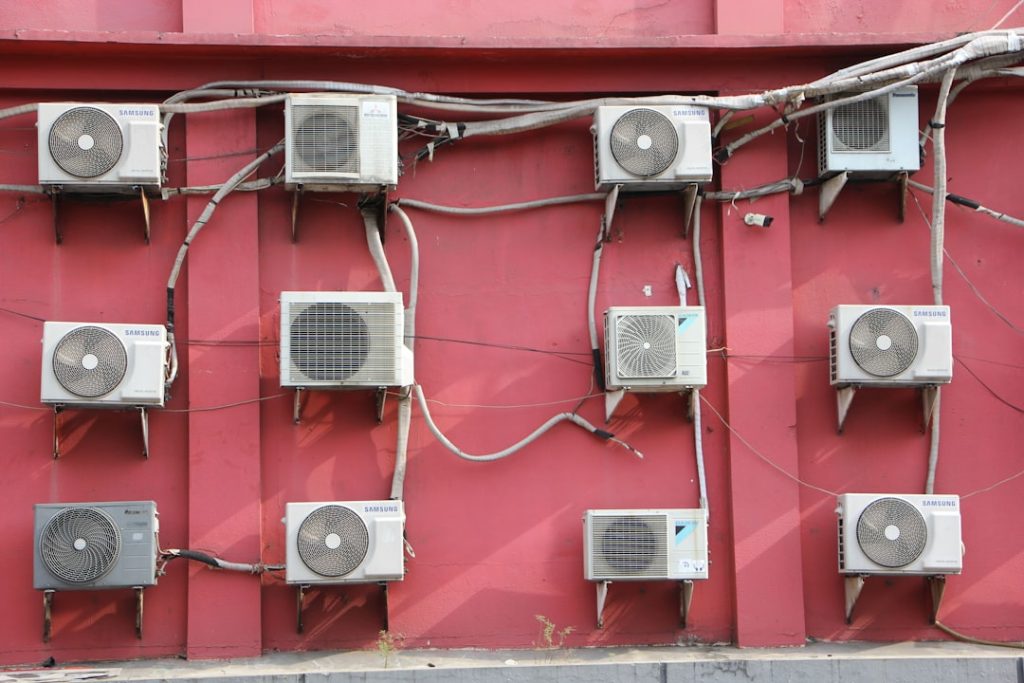
Cooling demand is driving the story in UAE buildings; how it’s managed can shape their NetZero Trajectory. AC systems use 60–70% of electricity consumption. Yet many projects still install units that are oversized by 25–35%. Oversized AC units run highly inefficiently, causing massive energy waste through constant short-cycling. This pattern raises capital costs and locks in higher energy use for years, working against the grid decarbonization and demand-reduction goals central to the UAE’s net-zero targets.
Abu Dhabi’s Department of Energy launched the Cooling Load Manual (CLM) under the Energy and Water Efficiency Strategy 2030. The CLM is an energy-efficient initiative to avoid oversized air conditioning equipment. This aligns with Abu Dhabi codes and international standards ASHRAE and CIBSE. It is aimed at new developments, but it also supports retrofit projects and existing systems.
Right-sizing could cut up to 35% of installed AC costs, equal to AED 560 million ($153 million) annually across new buildings in Abu Dhabi. For a residential villa, that can mean up to AED 56,000 in equipment cost reductions and lower connection fees. It can also deliver up to 25% savings on electricity bills when loads are accurately modelled. A companion Cooling Load Verification Tool (CLVT) helps teams benchmark calculations, spot overdesign, and quantify savings.
SOMA’s Perspective:
The real tension is that cooling dominates building electricity demand, complicating efforts to decarbonize the grid, while weak sizing discipline keeps oversized systems embedded in projects, inflating upfront spend and locking in higher energy use. Abu Dhabi’s Cooling Load Manual, aligned with local codes and ASHRAE/CIBSE, tries to shift incentives toward evidence-based load modelling across new builds and retrofits, with meaningful cost and bill savings on the table. It’s important to watch whether the CLVT and CLM become the default in approvals and contractor practice, because the biggest gains come when right-sizing is enforced consistently rather than treated as optional guidance.
Optics At Scale: AI-Powered Sorting Drives Abu Dhabi’s 80% Landfill Diversion Goal
#CircularEconomy
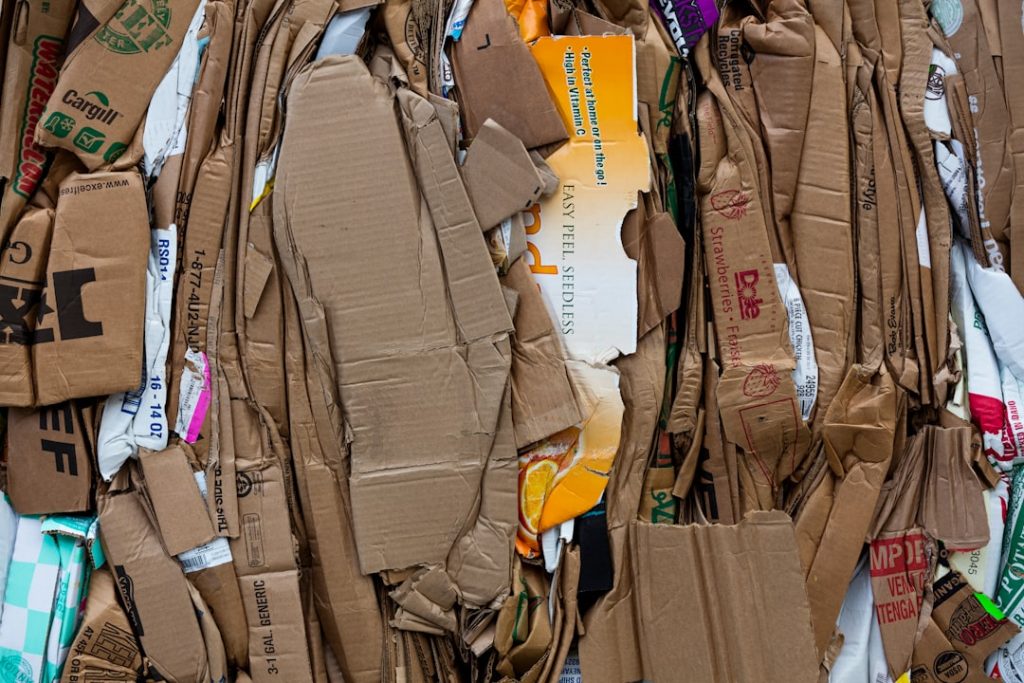
Abu Dhabi is betting on a new plant to move waste out of landfills and back into the economy. Tadweer Group has awarded Urbaser a contract to build Abu Dhabi’s first greenfield Material Recovery Facility (MRF). The facility will have an annual processing capacity of 400,000 tonnes split between municipal and commercial waste. Operations are scheduled to begin in 2028.
The project is designed to hit a clear target of divert 80% of Abu Dhabi’s waste from landfill by 2031. It is positioned as a key step in a circular waste management model for the emirate. Recovered materials will also support Abu Dhabi’s Waste-to-Energy facility, which is currently under development. The goal is to turn more of the waste stream into usable inputs and measurable diversion.
The facility will rely on automated sorting and recovery systems powered by optical technologies and artificial intelligence. This setup is intended to improve material separation accuracy and recovery efficiency at scale. The output is expected to be high-quality recovered materials ready for reuse or further processing. After completion, it will be operated for 5 years through a joint venture, Urbaser (60%) and Tadweer Group (40%), to strengthen the UAE’s circular economy agenda and support future-ready, infrastructure-driven sustainability
SOMA’s Perspective:
The tension is that Abu Dhabi’s landfill diversion ambitions hinge on industrial-scale recovery, but the economics only work if mixed waste can be separated reliably and consistently. A 400,000-tonne MRF using optical and AI sorting could make the 80% diversion target more credible by feeding higher-quality recovered materials into reuse markets and into the Waste-to-Energy project rather than sending value to landfill. It comes down to whether the plant’s automated systems and five-year operating model can actually hold output quality steady at scale. That’s what separates circularity as a real, repeatable system from circularity as just a target.
Farm-To-Future: Egypt Bets On Solar-Powered Circular Agriculture
#FoodandWaterSecurity
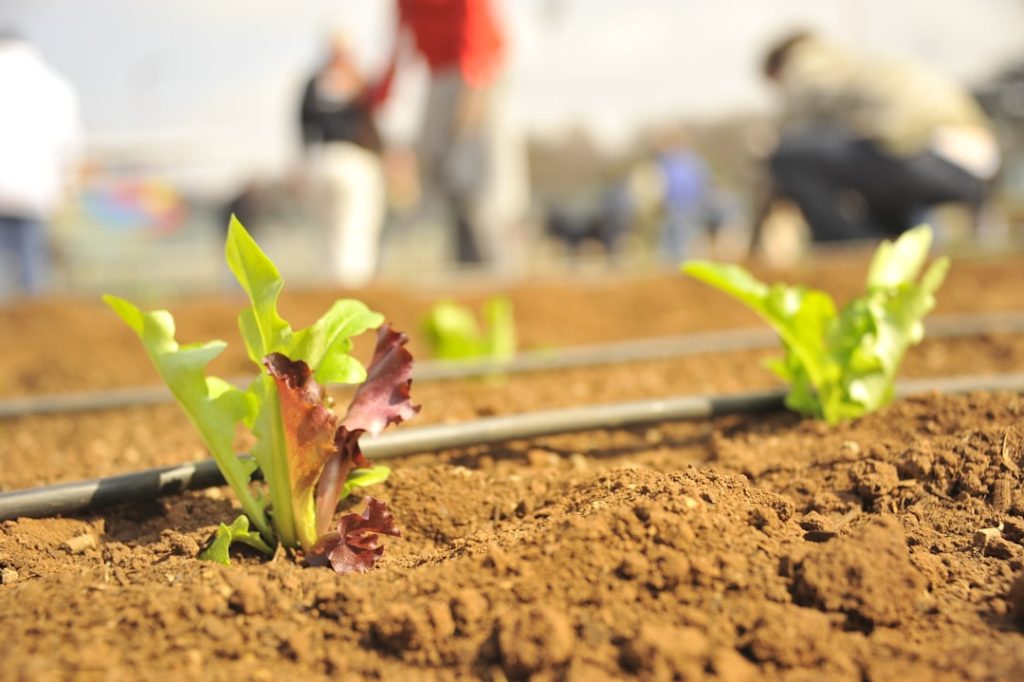
Egypt is treating agriculture as a fundamental pillar for food and social security while pushing modern, resource-smart production. At the Agricultural Innovation for Sustainable Development 2026 competition, Dr. Ahmed Rajeh of Khairat Rajeh Agricultural Company was honoured as a member of the Export Council for Agricultural Crops. The event ran under the National Initiative for the State of Agricultural Innovation and drew university leaders and international organizations. The message was clear that scaling productivity needs large investments and broad adoption of modern technology.
As the population continues to grow, the demand for food is putting increasing pressure on the country’s agricultural system. Small and fragmented land holdings limit mechanization, which in turn limits productivity. Land reclamation is seen as a critical step towards food security and self-sufficiency. The government is also expanding strategic crop cultivation, especially cotton, to unlock more efficient aerial spraying across large areas. The goal is higher yields with less water use and lower unit costs.
Rajeh’s farm shows how a circular model can work with hard numbers and reuse loops. It runs on solar energy with a 3-megawatt power plant and uses an integrated aquaculture-agriculture model that irrigates with nutrient-rich fish pond water. Residues are turned into organic compost and high-nutrition livestock feed, and a Wadi El Natrun site supports ~650 head of cattle with an on-site feed factory. The same reuse logic is being extended to dates, as Egypt has significant potential to expand date production with Medjool, Barhi, Sukkary, and Khodry, alongside calls to rationalize wheat consumption, boost home production, and keep investing in sustainable agriculture and modern technology as the first line of defence backed by Egyptian innovation and youth.
SOMA’s Perspective:
Egypt’s push for modern, resource-smart agriculture is really a scaling problem: population pressure and small land holdings limit mechanisation, so productivity gains depend on capital, coordination, and practical models that can be replicated beyond flagship farms. Rajeh’s solar-powered, aquaculture-integrated setup shows how circular loops—energy, irrigation nutrients, residues, and feed—can reduce input costs while supporting food security goals tied to land reclamation and strategic crop expansion like cotton. SOMA’s take is to watch whether these systems can be standardised and financed for wider adoption, rather than staying as isolated showcases within innovation programmes.
If you’d like to know more, contact us through:
Subscribe To Our Newsletter
Categories
- Events 3
- Intelligence Reports 2
- Newsletter 25
- Uncategorized 0
- Whitepapers 6