Soma Mater Newsletter – 17.08.2026
Welcome to the SOMA MATER weekly newsletter.
At SOMA MATER, we deliver comprehensive research and advisory services focused on Food & Water Security and Net Zero Transition in the MENA Region. To help our clients navigate these topics and understand the regional narrative, we accelerate problem-solving and unlock new opportunities through Strategic Advisory and/or Projects.
This weekly newsletter highlights the top 3 stories from the past week in Food and Water Security and Net Zero transition, along with SOMA MATER’s analysis and perspective.
How could El Niño drive a surge in global hunger next year?
How will the UAE’s mandatory emissions reporting reshape corporate competitiveness?
How is Chinese capital reshaping Egypt’s economy and long-term growth strategy?
Sustainably yours,
The SOMA team
El Niño’s Hunger Surge: Why 50 Million More Could Go Hungry Next Year
#NetZeroTransition #FoodandWaterSecurity
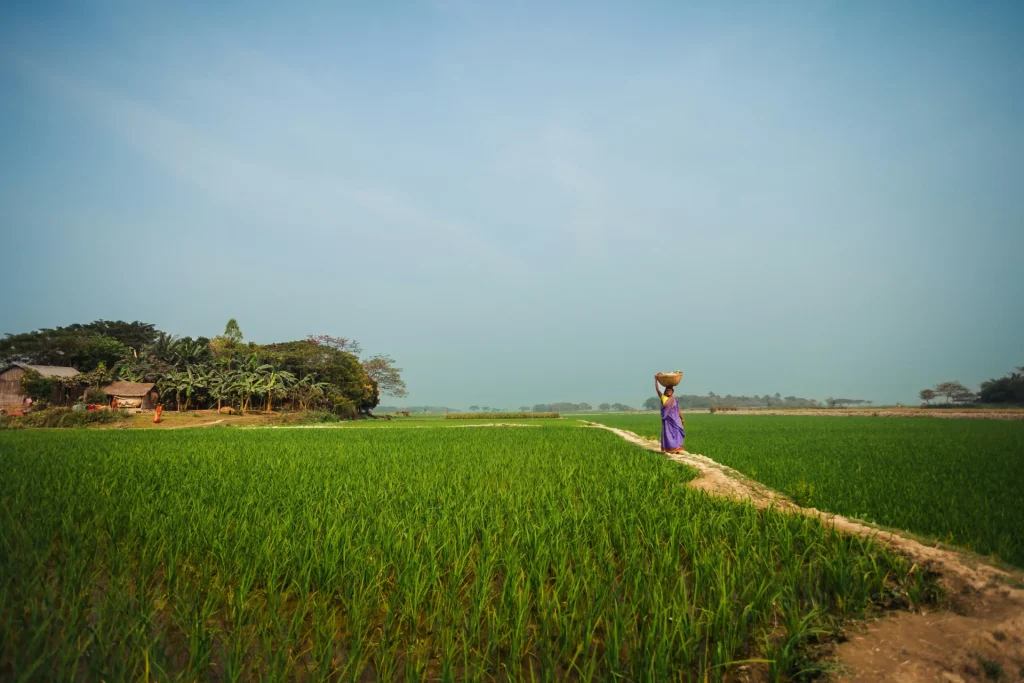
El Niño is expected to intensify hunger for up to 50 million people before the end of next year. That surge would add to the 225 million people already facing acute food insecurity across 45 countries. The World Food Program allocated a budget of at least $80 million for early warning systems and anticipatory relief.
The worst impacts are expected to hit the most exposed regions: Central and South America, the Caribbean, and southern Africa. The timeline is likely to lag by months in southern Africa. Because the main growing season runs from October 2026 to March 2027, the biggest food security impact could arrive in the 2027 to 2028 lean season post-harvest. In the 2015-16 El Niño alone, about up to 100 million people were affected.
In the context of African food security, research shows that flexibility is what keeps communities fed when climate shifts. Researchers analyzed isotopes from 187 archaeological sites to track livelihoods over the past 11,000 years. They found that livelihood diversification mattered most, and pastoralism appeared at 61% of sites. In the UAE, the gravel outwash plains of the Hajar Mountains have also supported nomadic pastoralists and sedentary agriculturalists. Economic factors like the extraction of natural resources also had significant impact on the interaction between humans and the environment. This is the case for copper mining, pearl diving, and aquifer access in the UAE.
SOMA’s Perspective:
For governments and corporates across vulnerable markets—especially in South and Southeast Asia—resilience will hinge on flexibility. SOMA MATER is positioned to support partners in translating climate signals into actionable risk planning—identifying exposure hotspots, and designing adaptation strategies that protect vulnerable communities while sustaining long-term growth.
Disclosure Deadline: Why UAE Firms Are Racing To Find Their Emissions Data
#NetZeroTransition
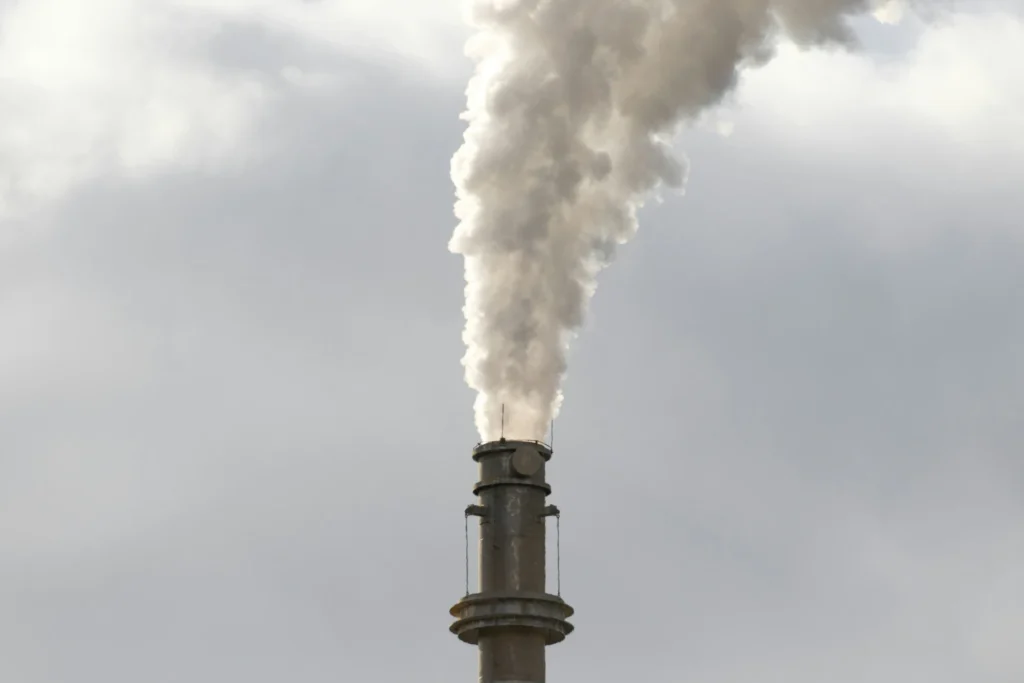
Mandatory emissions reporting is reshaping the UAE‘s corporate landscape. The intent was signaled during COP28 in 2023, and in May 2026 the Federal Climate Law made emissions tracking mandatory. This makes the UAE the first MENA country to enforce binding climate legislation. Yet, many companies still struggle to locate their emission data across bills and supplier files.
Disclosure pressure is rising as investors, banks, multinationals, and governments increasingly ask for emissions numbers. Even when regional tensions slowed enforcement, many firms in the UAE kept investing and treated compliance as a business priority. Carbon management platforms now classify invoices, pull figures from bills, and apply emissions factors to build dashboards. This allows companies to develop a system of ongoing management.
Automation lowers the costs but raises the stakes for data quality. SMEs can produce professional reports in under an hour if assumptions are set. Yet, data quality will be the defining factor for accurate reports. Companies that had already invested in sustainability teams, emissions monitoring, and international reporting framework before the law went into effect carry the advantage. For companies like Holcim, having existing global emissions reduction targets validated against the Science Based Targets prior to the law eased adaptation.
SOMA’s Perspective:
Carbon reporting in the UAE is becoming a core operating requirement. Companies that adjust to the changes proactively will be ready to respond faster to investors and global partners’ demands. Compliance is now an upper hand. SOMA MATER is prepared to help organizations better understand this new system and adapt before disclosure pressure increases. The leaders will be those with the most credible underlying data and the capability to act on it.
Belt And Road Bet: How Chinese Capital Is Reshaping Egypt’s Growth Playbook
#NetZeroTransition

Chinese investment has flooded Egypt’s major sectors for years. Today this investment has surpassed $10 billion. The figure reflects activity across sectors like seawater desalination, mining, agriculture, and other areas that support sustainable development efforts. Continuous investment from Chinese firms shows that Beijing is betting on Egypt as a long-term production base.
This surge sits inside the Belt and Road playbook. The initiative allows state-linked firms to place factories along critical trade routes. Egypt and China have jointly run the Suez Economic and Trade Cooperation Zone since 2008 to bring manufacturers into this corridor. From 2022 to 2025, Egypt’s Suez Canal Economic Zone (SCZone) drew $11.6 billion in investment, and Chinese investors provided roughly half.
The relationship has accelerated quickly and the canal matters to both sides. Between 2017 and 2022, Chinese investment in Egypt surged 317% as 180 companies committed over $3 billion to manufacturing and industrial expansion. These plants are built to serve export markets as Egypt is one of the world’s most strategic chokepoints. That access now supports approximately 60% of China’s Europe-bound exports.
SOMA’s Perspective:
The biggest differentiator for Egypt will be the policy and institutional readiness to capture durable value—local supply chains, skills, standards, and predictable operating conditions—rather than simply hosting capital. SOMA MATER can support government and key stakeholders in translating this momentum into a coherent competitiveness agenda: clarifying the regulatory pathway for investors, strengthening implementation capacity, and setting the enabling conditions for technology transfer and domestic firm participation.
If you’d like to know more, contact us through:
Subscribe To Our Newsletter
Categories
- Events 4
- Intelligence Reports 2
- Newsletter 27
- Uncategorized 0
- Whitepapers 6