Soma Mater Newsletter – 12.10.2026
Welcome to the SOMA MATER weekly newsletter.
At SOMA MATER, we deliver comprehensive research and advisory services focused on Food & Water Security and Net Zero Transition in the MENA Region. To help our clients navigate these topics and understand the regional narrative, we accelerate problem-solving and unlock new opportunities through Strategic Advisory and/or Projects.
This weekly newsletter highlights the top 3 stories from the past week in Food and Water Security and Net Zero transition, along with SOMA MATER’s analysis and perspective.
How has international sustainability reporting changed as oversight and goals shift?
How does Microsoft’s Middle East investments plan on strengthening regional AI capacity while advancing digital resilience?
How could Amazon and Ghitha’s new partnership connect UAE-grown produce with consumers while supporting local farmers?
Sustainably yours,
The SOMA team
Proof in the Metrics: What 2026 U.S. Sustainability Reports Reveal
#NetZeroTransition
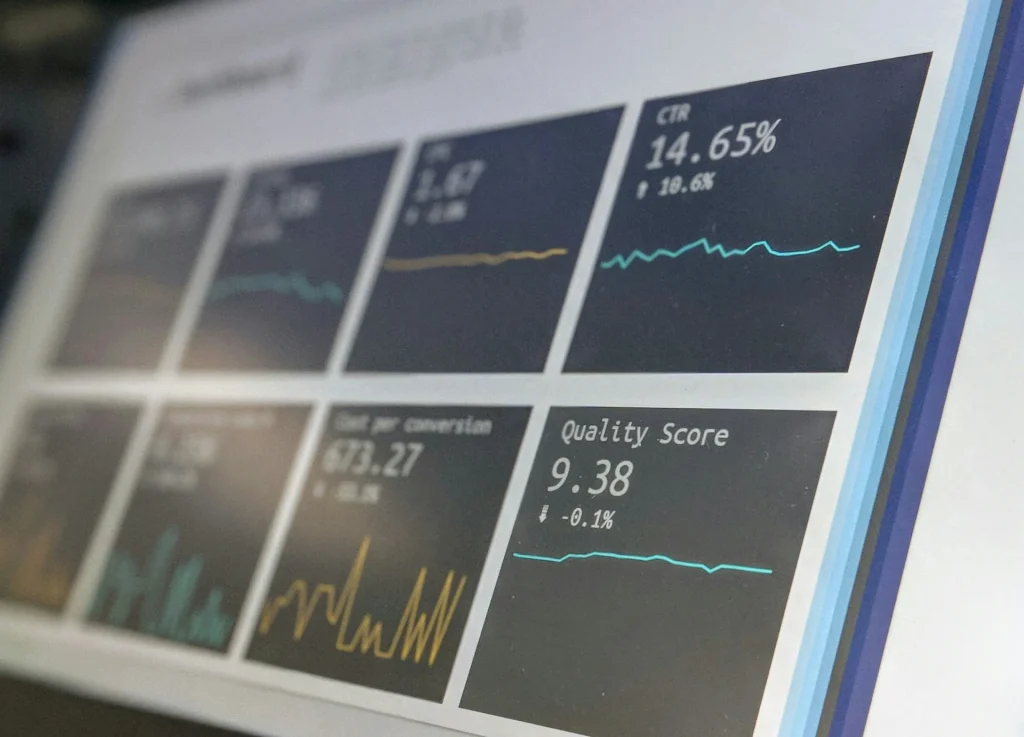
Sustainability reporting is shifting. A study reveals that although U.S. companies continue to publish sustainability reports, it is done more discretely. Of the companies that had published a report by this time last year, 87% have published one again this year. Many reports are appearing later due to additional legal and market review. Report titles increasingly mention “impact” and “purpose”, while “ESG” has nearly disappeared from titles. On average, the mention of ESG in reports dropped 50% from 2025.
Reporting is becoming more measurable and quantitative. Nearly 63% of companies included a sustainability data table in 2026, an increase from 57% in 2025. Common metrics covered greenhouse gas emissions and human capital management and employee health and safety. 75% obtained external assurance for data, an increase from 54% in 2022.
At the same time, oversight and targets are shifting. General Counsels now lead sustainability oversight at 23% of companies, surpassing CEOs that lead at 19% of companies. Companies reporting at least one off-track goal rose from 9% to 12%, and repositioned goals rose from 2% to 12%. Over half of companies mentioned an AI governance policy, with IT and healthcare firms most likely to describe responsible AI.
SOMA’s Perspective:
Resilience is the keyword. The weakness of concepts like ESG and sustainability commitments is that companies lack a globally agreed way to connect them to financial performance. At the same time, political pressure in the United States is prompting some businesses to retreat from the language and goals. That leaves corporate teams with weaker incentives to defend environmental work when its value is not visible in balance sheets or profit-and-loss accounts. This is why it will be so important for businesses to make commitments measurable and financially legible.
Clouds With Commitment: Microsoft’s $10 Billion Plan for the Middle East
#NetZeroTransition
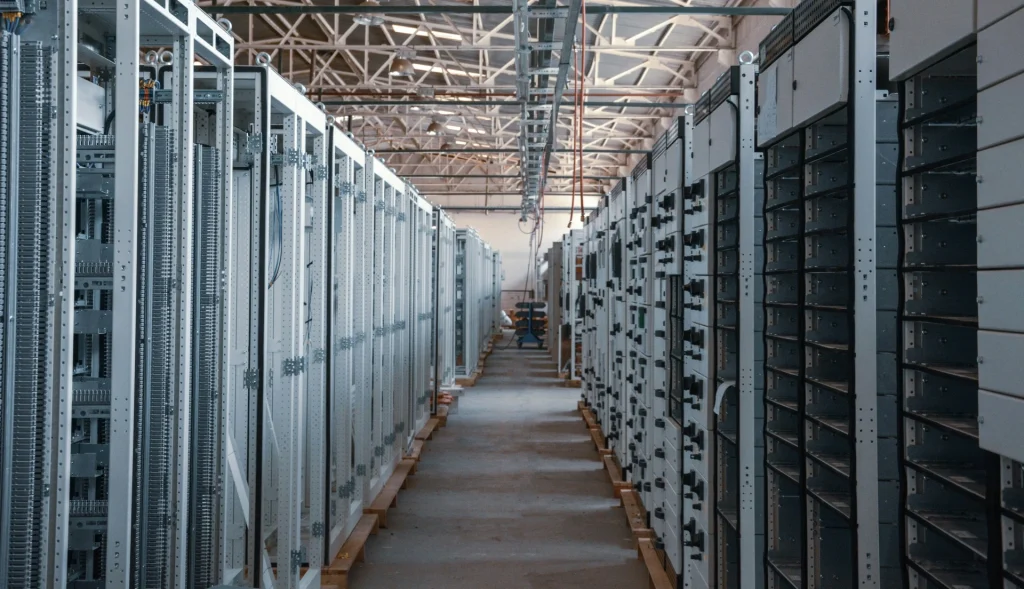
Microsoft announced a new framework reinforcing its long-term commitment to the Middle East. It will focus on technology, digital resilience and people. The company plans to invest over $10 billion in capital and operating expenses across the region between now and 2030. This will include countries like Kuwait, Qatar, Saudi Arabia, and the UAE.
On the technology front, Microsoft will work with governments and national AI organizations, including Saudi Arabia’s HUMAIN and the UAE’s G42, while expanding cloud and AI infrastructure across the region. Digital resilience will be another cornerstone, supported by the Middle East Digital Resilience initiative, which aims to strengthen continuity and recovery. Microsoft also plans to invest more than $400 million in subsea and terrestrial connectivity, deepen cybersecurity cooperation with local authorities, and advance responsible AI.
Middle Eastern governments are pursuing ambitious AI transformations. This puts the region as a strategic helper in shaping the technology’s future. Microsoft is committed to supporting this progress for decades to come by strengthening cybersecurity, protecting critical data and services, and ensuring continuity and recovery. These commitments will be backed by Microsoft Sovereign Public Cloud, Sovereign Private Cloud and Project Digital Shield.
SOMA’s Perspective:
The MENA region’s AI ambitions face hard systems constraint. Specifically for the UAE and Saudi Arabia, compute, power, chips and skilled staff are limited. AI will compete with desalination, food production and decarbonization for electricity, water and capital. This makes the AI buildout a resource-allocation issue for utilities, water operators and food companies. There are also governance and security gaps. Organizations will need to secure and govern AI capacity while protecting the resources other essential sectors need.
Fresh Thinking: Amazon and Ghitha Explore Demand-Led Farming in the UAE
#FoodandWaterSecurity
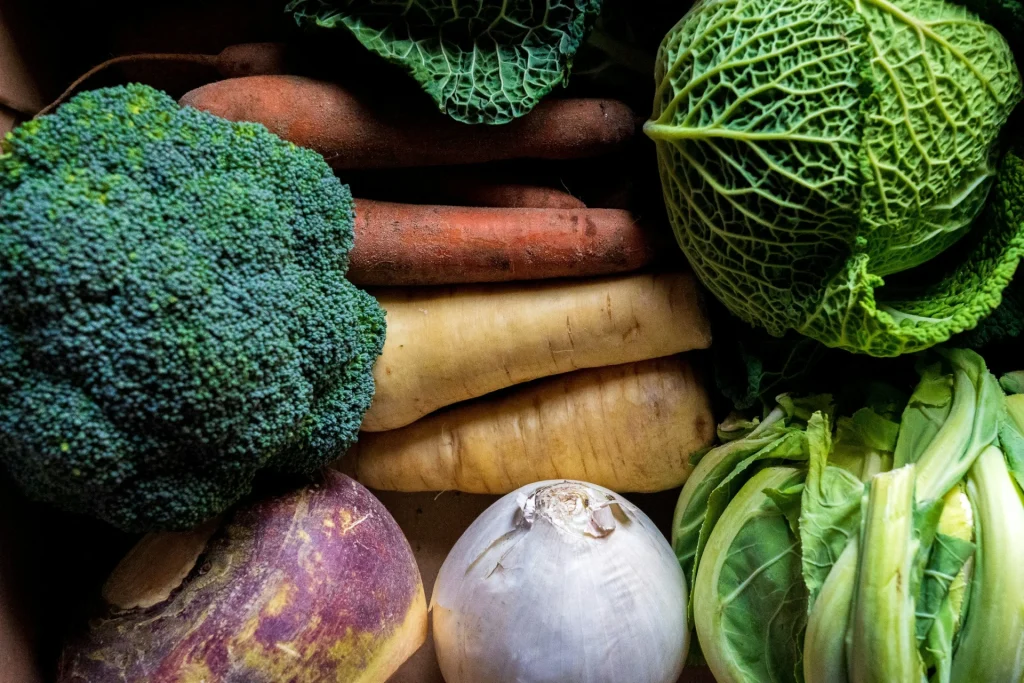
Amazon and Ghitha Holding PJSC are exploring a demand-led farming concept in the UAE. Ghitha is a subsidiary of 2PointZero Group. They signed a Memorandum of Understanding (MoU) with Amazon to explore a seasonal fresh produce initiative, connecting farming directly to Amazon’s supply chain. The model involves crop selection guided by customer demand insights from Amazon.
It aims to deliver freshly harvested locally grown produce in minutes through Amazon Now. The focus is on shortening the farm-to-doorstep journey while supporting local farmers. It also includes plans for a packhouse and distribution center at Food Tech Valley. The partners also plan to expand Ghitha Holding’s range of local brands on Amazon Now.
Eight Ghitha subsidiary brands are already offering products on Amazon Now. These include Al Ain Farms and Marmum Dairy Farm alongside Al Ajban Poultry and Arabian Farms. The selection also includes Al Jazira Poultry Farm and Nassar Al Refaee Trading Company (NRTC) alongside Asmak and Abu Dhabi Vegetable Oil Company (ADVOC). Under this new partnership, an expanded range of UAE-sourced Ghitha brands can be expected in the coming months.
SOMA’s Perspective:
The model’s central tension is whether customer-demand data and rapid delivery can be matched to the seasonal realities of local farming. This could give UAE-grown produce a clearer route to market while supporting local farmers.
If you’d like to know more, contact us at:
Subscribe To Our Newsletter
Categories
- Events 4
- Intelligence Reports 2
- Newsletter 28
- Uncategorized 0
- Whitepapers 6