Soma Mater Newsletter – 10.08.2026
Welcome to the SOMA MATER weekly newsletter.
At SOMA MATER, we deliver comprehensive research and advisory services focused on Food & Water Security and Net Zero Transition in the MENA Region. To help our clients navigate these topics and understand the regional narrative, we accelerate problem-solving and unlock new opportunities through Strategic Advisory and/or Projects.
This weekly newsletter highlights the top 3 stories from the past week in Food and Water Security and Net Zero transition, along with SOMA MATER’s analysis and perspective.
How could the UAE’s shift to treating biodiversity reserves as critical infrastructure reshape environmental governance and investment priorities in the region?
How could Saudi Arabia’s shift toward clay reshape construction across Vision 2030 projects?
How will Egypt’s transport-led green investment push turn rising climate budgets into faster, more accountable project delivery?
Sustainably yours,
The SOMA team
Nature As National Infrastructure: How Hatta And Wadi Wurayah Reframe Conservation
#NetZeroTransition
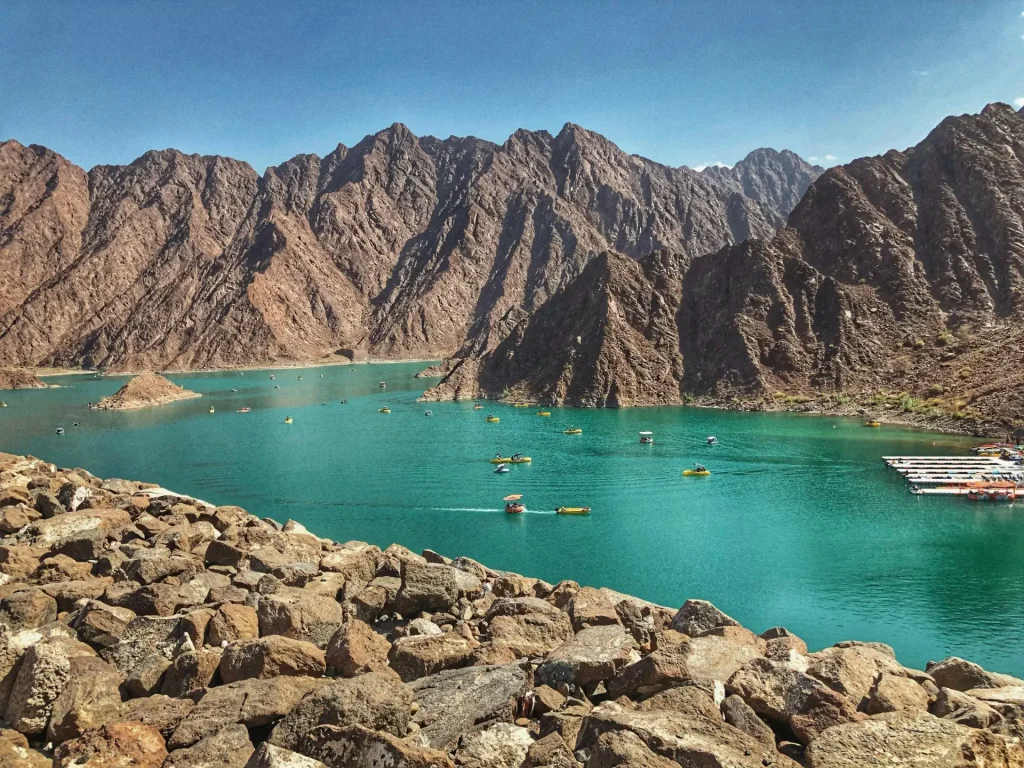
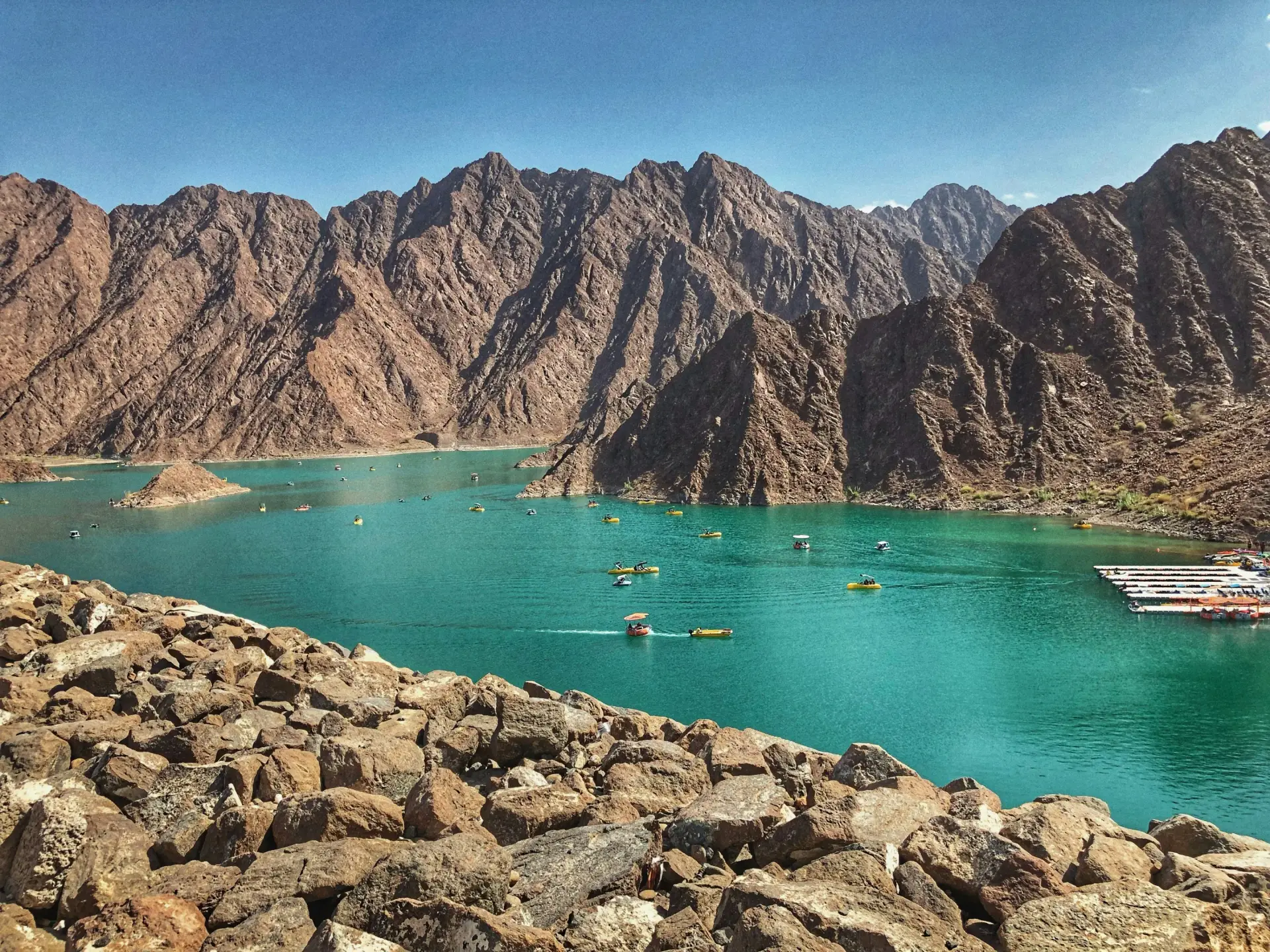
Dubai is expanding protected landscapes across marine, wetland, desert, and mountain terrain under the Dubai Environment and Climate Change Authority. Hatta Mountain Conservation Reserve alone spans 21.56 km² in south-eastern Dubai. In 2019, it was named a Wetland of International Importance under the Ramsar Convention. This put it alongside Jebel Ali and Ras Al Khor as Dubai’s third Ramsar site.
Hatta’s biodiversity is a national asset. Surveys indicate the reserve holds about 19% of all UAE plant species, 79% of all UAE dragonfly species, 44% of mammal species, and 27% of bird species. Records include 128 bird species and 27 mammal species, plus 20 reptiles and 133 plants. It is also home to the Arabian tahr and endangered wildlife such as the Egyptian vulture.
The UAE views ecosystems like infrastructure. Wadi Wurayah is a flagship signal of this shift. In Fujairah, Wadi Wurayah gained momentum after becoming the UAE’s first natural site inscribed on UNESCO’s World Heritage List. The country now manages 54 nature reserves covering around 19% of its total land area.
SOMA’s Perspective:
Ecosystems are being treated as infrastructure, forcing governance to reconcile conservation outcomes with the incentives, budgets, and performance expectations typically reserved for built assets. This approach could steer investment toward long-term management capacity, monitoring, and public access rather than one-off announcements.
Clay Revival: How Vision 2030 Is Re-Specifying Saudi Construction
#NetZeroTransition

Clay is no longer just a traditional material in Saudi Arabia. Builders are now using it for modern finishes as they chase low-carbon options under Vision 2030. A construction boom is pulling clay back into mainstream specifications. It is being promoted as a scalable alternative to acrylic and cement coatings. The shift is framed as both a sustainability play and a practical response to desert building conditions.
Clay has shaped Saudi architecture for centuries, and it still performs well in heat and arid air. It helps regulate moisture and thermal comfort without mechanical systems. That legacy gives the Kingdom a distinct advantage when clients want local and credible sustainable materials. This continuity is turning tradition into a procurement argument for major developers.
Clay finishes are now being used in major projects like Diriyah, Red Sea Global, and the Tuwaiq Heritage Tower. UK supplier Clayworks is providing finishes for hotels, cultural venues, and luxury homes across these sites. Saudi demand has begun rising about five years ago, and a July 2026 Riyadh workshop signalled a more formal market. The material also carries no volatile organic compounds (VOCs), and it supports circular economy goals through repairability and recycling.
SOMA’s Perspective:
If developers across Vision 2030 sites start specifying clay as a credible alternative to acrylic and cement coatings, the market will test how well suppliers and contractors can standardize quality while still meeting the practical demands of desert construction. We will observe whether interest around workshops and high-profile projects translates into repeatable specifications and reliable supply, or stays confined to flagship showcases.
Green Fast Track: How Egypt’s $4.4 Billion Push Puts Transport At The Center
#NetZeroTransition

Egypt’s latest green spending surge puts transport at the center of the plan. Egypt deployed $4.4 billion in green public investments in FY2024/25, based on a report reviewed by Minister of Planning Ahmed Rostom. The program is positioned as a core tool for national development and climate strategy.
The overall spending is split across several sectors. Green transport took 71.5% of total green investment, making mobility the dominant priority. The remaining budget was directed to Decent Life at 10.5%, sustainable urban development at 8%, and environmental improvement at 4.5%. Agriculture and irrigation received 3%, clean energy received 1.5%, and communications took the remainder.
The policy push now aims to lock these numbers into a durable trajectory. Egypt plans to raise green public investment from 15% of total public investment in FY2020/21 to around 60% by FY2026/27. Most funding targets mitigation at 87%, while adaptation takes 13%. The ministry will embed sustainability criteria across the full investment lifecycle from planning through monitoring and evaluation.SOMA’s Perspective:
SOMA’s Perspective:
Egypt’s green-investment story is really a governance test: a fast-rising budget share and a transport-heavy allocation will only matter if funding priorities are converted into disciplined project selection and delivery across the state. With 71.5% of green public investment going to mobility and plans to lift green spending toward ~60% of total public investment by FY2026/27, the biggest impact will come from whether mitigation and adaptation portfolios are managed as a coherent system rather than a set of flagship builds.
If you’d like to know more, contact us through:
Subscribe To Our Newsletter
Categories
- Events 4
- Intelligence Reports 2
- Newsletter 27
- Uncategorized 0
- Whitepapers 6