Soma Mater Newsletter – 09.11.2026
Welcome to the SOMA MATER weekly newsletter.
At SOMA MATER, we deliver comprehensive research and advisory services focused on Food & Water Security and Net Zero Transition in the MENA Region. To help our clients navigate these topics and understand the regional narrative, we accelerate problem-solving and unlock new opportunities through Strategic Advisory and/or Projects.
This weekly newsletter highlights the top 3 stories from the past week in Food and Water Security and Net Zero transition, along with SOMA MATER’s analysis and perspective.
What is the forecast for future energy infrastructure investment in Middle East, North Africa and Türkiye (MENAT)?
How could Sharjah National Oil Corporation (SNOC)‘s gas storage expansion and the UAE’s plan for investment into energy infrastructure reshape energy security?
What does investment into climatetech startups in Egypt reveal about farms’ needs to cut energy and water costs
Sustainably yours,
The SOMA team
Follow the Money: Global Infrastructure Capital Pours Into MENAT Energy and Water
#NetZeroTransition
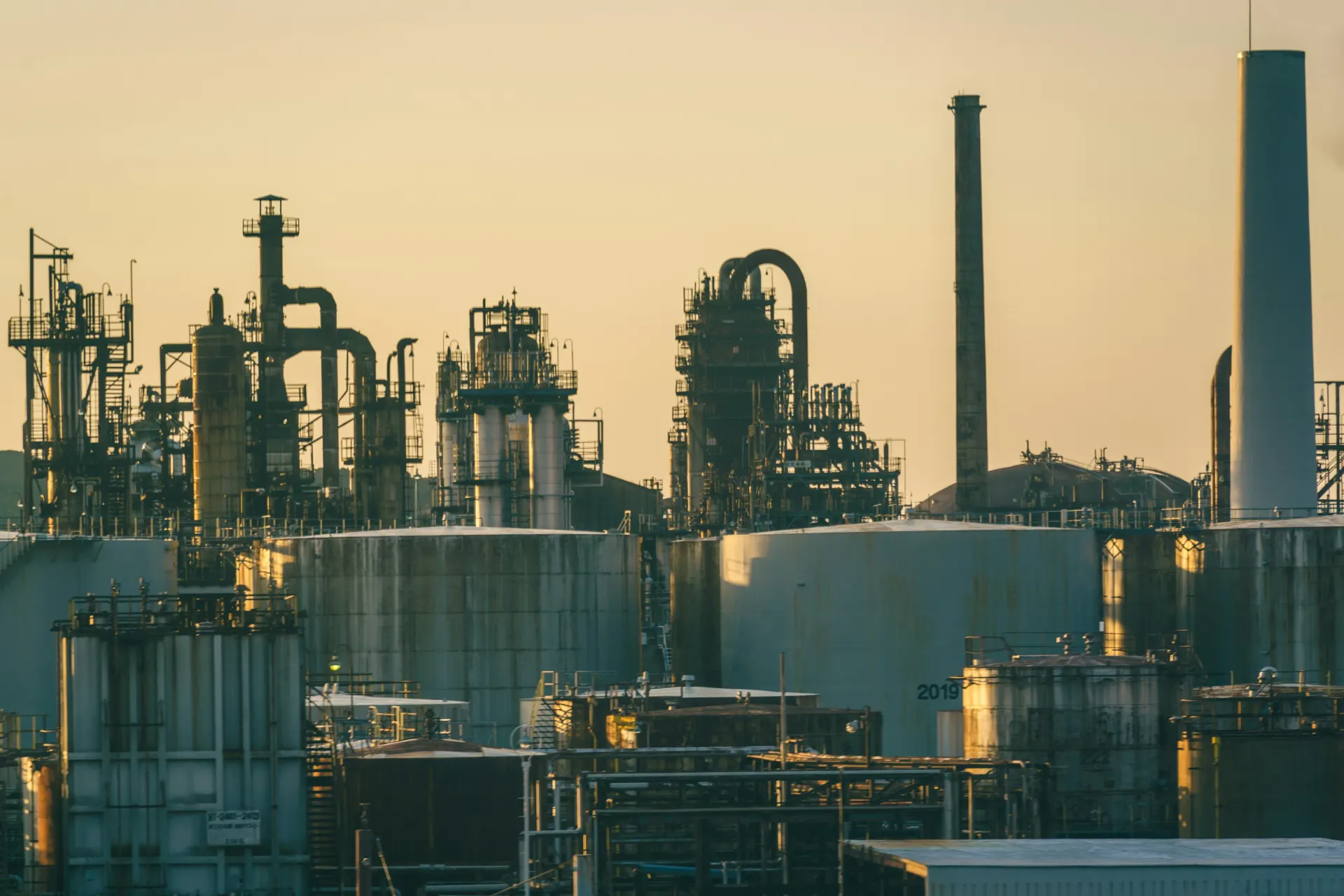
This past week, capital was concentrated in utility-scale energy and water infrastructure and outbound state-linked investment. Blackstone, the world’s largest alternative asset manager, has committed more capital to the Gulf in the last year than ever before. Despite the Iranian conflict, the firm expects its Gulf share to grow 3–4x by end of decade.
The Middle East, North Africa and Türkiye (MENAT) region has attracted growing interest from global infrastructure investors. The region holds a $1.4 trillion pipeline of announced but unawarded projects. 94% of institutional investors expect a larger share of their portfolios in the region, and more than half prefer co-investment alongside a local MENAT-based sponsor. The infrastructure spending for 2026–2028 is already 44% higher than the prior 3 years.
Electrification and renewable energy are some of the most promising investment opportunities. This is because countries are quickly pursuing investment in energy and transport. The UAE, for example, has invested in port facilities in Fujairah as the region’s focus shifts to infrastructure resilience. These opportunities will require translating ambitious infrastructure plans into projects that secure financing. Resilience will increasingly need diversified logistics connections and stronger power systems.
SOMA’s Perspective:
Investor confidence and capital flow are rising as the conflict makes the region’s vulnerabilities more visible. The keyword is now “connectivity,” as the region needs faster and smoother movement for energy and resources. It continues to be tested to see if infrastructure capital can connect energy (and food) flow across a country and the wider region. Functional power grids and logistics corridors will help translate this incoming capital into resilience.
Stockpiling for Stability: How the UAE Is Turning Energy Security Into a Storage Strategy
#FoodandWaterSecurity
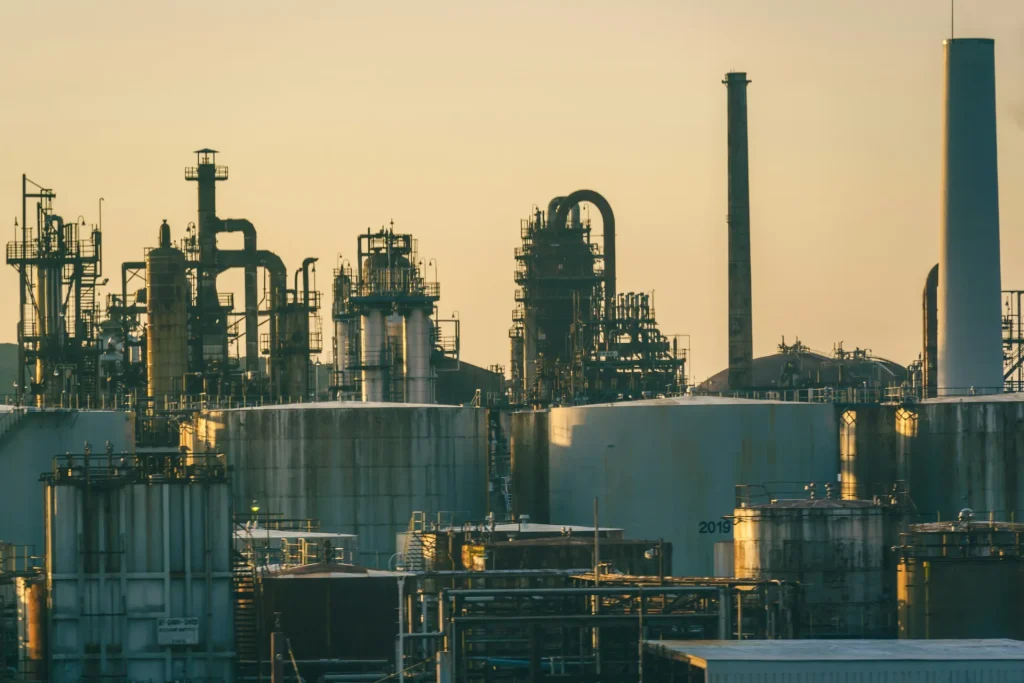
The UAE has plans to boost energy infrastructure investment. This includes energy investments of up to AED200 billion ($55 billion) by 2030. Some of the focus areas will be electricity generation, power networks and storage. Diversification is still central to the UAE’s energy strategy, with renewable and nuclear power and natural gas planned as major sources of electricity.
Clean energy is growing, and oil security is now a priority. Clean energy accounted for 32% of the UAE’s electricity generation in 2025. The CEO of Abu Dhabi National Oil Company (ADNOC) highlighted that the world needs larger oil stockpiles after the US-Iran war exposed gaps in global energy security. As of 2025, the UAE held 297 trillion cubic feet of proven conventional gas reserves.
In Sharjah, the current conflict gives Sharjah National Oil Corporation (SNOC) a chance to become a major provider of gas storage. The company is considering a fivefold or greater increase in its gas storage capacity. The Moveyeid reservoir already balances supply, as summer demand can become two-and-a-half times greater than winter demand. SNOC has received gas from ADNOC under a 10-year agreement, and now, hopes to hold a stake in international oil production within 5 years.
SOMA’s Perspective:
SNOC being approached by companies and government institutions points to a real market signal. Opportunity will be strongest for the stakeholders that can align storage, supply agreements, and partnerships with the summer seasonality rather than with short-term disruption. SNOC and the overall ecosystem in Sharjah have a real opportunity and an advantage to turn this crisis-driven pivot into a lasting strategy. We believe the conflict is modifying the focus areas of many companies like SNOC.
Farmers in Focus: Why Capital Is Chasing Cheaper Energy and Water for Food Production
#FoodandWaterSecurity
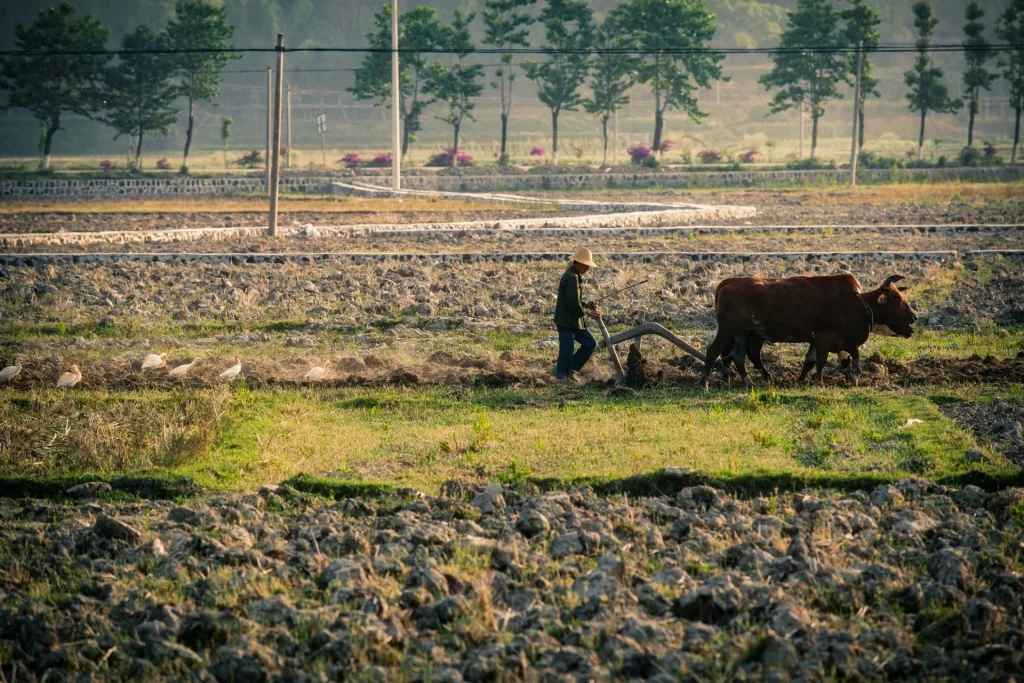
Egypt-based climatetech startup NoorNation raised $1.05 million in seed funding. Backers include agribusiness group Linah Farms and climate tech investor Catalyst Fund, and Saudi firm KBW Ventures. The startup builds decentralized clean energy and water infrastructure for agricultural businesses and off-grid users across Egypt and Sub-Saharan Africa. Its flagship product is a solar-powered system that provides electricity and water for applications including irrigation and desalination.
Linah Farms has already seen strong returns from NoorNation’s solar systems. After deploying its solutions across operations, it joined NoorNation’s shareholder base. The projects have saved Linah Farms over EGP 3 million in diesel costs and over EGP 2.2 million in electricity costs. The companies have agreed to 5 more solar installations with a combined capacity of approximately 1.13 MWp (megawatt-peak).
Farmers are becoming a bigger target of finance and technology. A new alliance to advance water desalination for intensive food production in Egypt is planned to focus on reducing energy and operating costs, although still at the research stage. This matches points raised by farmers in the UAE also. At the Farmers’ Council in Ras Al Khaimah, farmers’ feedback highlighted the importance of advisory and technical support, improving crop quality, reducing production costs, and improving sales opportunities.
SOMA’s Perspective:
Farmers are gradually moving from the margins to the center of finance and technology attention. The regional pattern from Egypt to the UAE suggests the demand is real and consistent across farmers. We believe the most beneficial technologies for these farmers will be those that bring proven cuts to energy, feed, and freight costs. This is how capital is usefully deployed.
If you’d like to know more, contact us through:
Subscribe To Our Newsletter
Categories
- Events 6
- Intelligence Reports 2
- Newsletter 32
- Uncategorized 0
- Whitepapers 6