
Soma Mater Newsletter – 05.07.2026
Welcome to the SOMA MATER weekly newsletter.
At SOMA MATER, we deliver comprehensive research and advisory services focused on Food & Water Security and Net Zero Transition in the MENA Region. To help our clients navigate these topics and understand the regional narrative, we accelerate problem-solving and unlock new opportunities through Strategic Advisory and/or Projects.
This weekly newsletter highlights the top 3 stories from the past week in Food and Water Security and Net Zero transition, along with SOMA MATER’s analysis and perspective.
How will UAE-based companies like the Waste Lab help businesses meet stricter emissions rules?
How will the 2026 price shock in urea markets reshape which players dominate the supply chain?
How will Egypt’s expanded produce coding system help sustain strawberry export growth?
Sustainably yours,
The SOMA team
Closing The Loop: The Waste Lab Scales UAE Food-Waste Compliance Into A Business
#FoodSecurity #NetZeroTransition
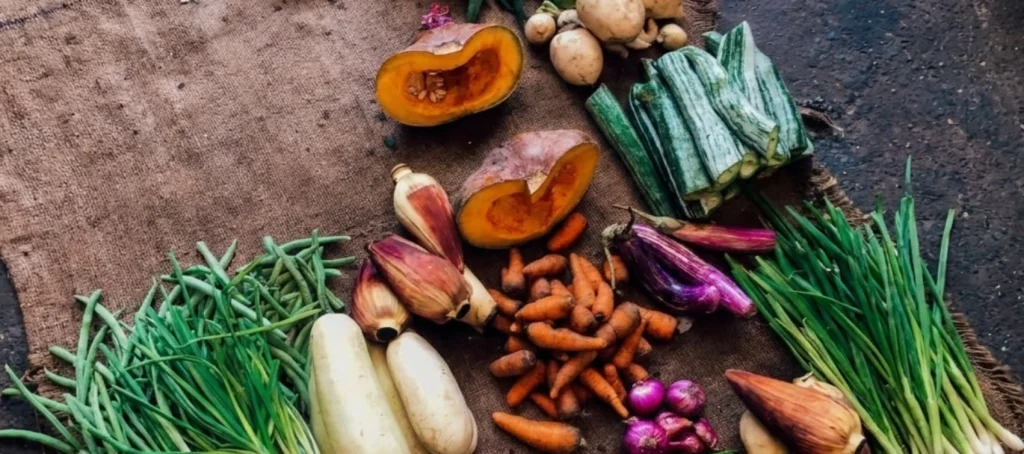
The Waste Lab is turning UAE food waste into a compliance business. The Dubai company has grown into a licensed end-to-end food waste management and composting platform. It says it is the only operator in the UAE that completes the entire loop from collection to composting. Demand is rising as companies face stricter rules on waste and emissions.
Regulation is now pushing sustainability from reporting into operations. Federal Decree-Law No. 11 of 2024 requires businesses in designated sectors to measure and report greenhouse gas emissions. The Waste Lab is responding with a proprietary mobile application that gives clients real-time waste data. It is also expanding operations across additional emirates while planning entry into Saudi Arabia through a joint venture model.
A similar export story is emerging at the Dubai Electricity and Water Authority (DEWA). The company has created Dewa International to develop global energy and water projects. The subsidiary will develop conventional and clean energy projects and position Dubai as a provider of energy, water and sustainability expertise.
SOMA’s Perspective:
Emissions reporting rules are changing the game for waste and utility companies. Businesses now need real, provable data on their waste handling, not just good intentions. That is why DEWA and the Waste Lab are packaging their expertise as an exportable model. The real question is whether funding and tech can keep up with this demand, especially as expansion into Saudi Arabia raises the stakes on licensing and data accuracy.
Upstream Windfall: Fertilizer Producers Cash In As Nitrogen Costs Surge
#FoodandWaterSecurity #NetZero #FoodSecurity&Water
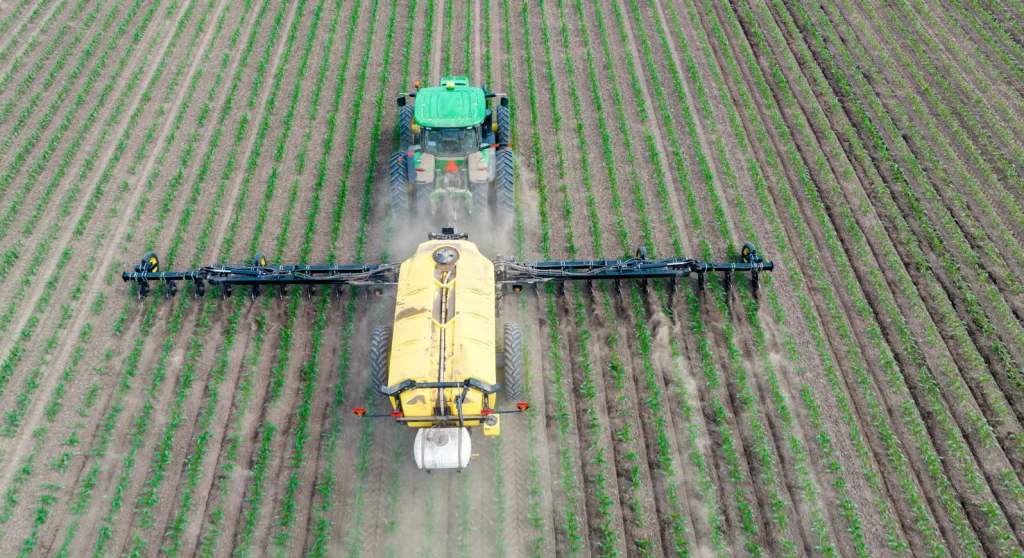
The 2026 fertilizer price shock is reshaping global agriculture by pushing input costs into a crisis cycle. Between late February and May 2026, international urea prices jumped about 55% due to the conflict. The FAO (Food and Agriculture Organisation) warned the spike could trigger a global food crisis within 6 to 12 months. The price increase ripples into planting decisions and yield results, and then into food price inflation.
The shock is also redrawing margins across the value chain. The biggest winners are the upstream producers. When selling prices rise faster than their production costs, the margin grows. Several input suppliers are posting record results. The producers downstream are absorbing the increase as growers, processors, and food manufacturers face higher bills they cannot pass down. The middle of the supply chain is caught between both pressures simultaneously: raising prices strains customer relationships, while absorbing costs breaks unit economics.
Governments are now treating fertilizer exposure as a strategic risk. Egypt is moving first with the New Delta project valued at $15 billion to reduce import dependence for wheat, corn, and sugar beet. In the US, the USDA’s Great American Cotton Plan signals the same shift after 5 consecutive years of negative returns and a drop in active cotton operations from 2,254 in 1980 to 446 today. In the Gulf, companies like Fertiglobe reported revenue of $2.83 billion in 2025 as higher prices helped cover logistics costs during the disruption. In Oman, OMIFCO (Oman India Fertiliser Company) says it expects revenue to rise 40% in the second quarter.
SOMA’s Perspective:
Fertilizer prices are a geopolitical issue. Shipping risks can turn into food inflation quickly. The consequences aren’t shared evenly. The producers upstream are making record margins, while everyone in the middle — growers, processors, manufacturers — gets squeezed from both sides. Governments are starting to respond with big domestic investments, like Egypt’s $15 billion New Delta project. The companies that come out ahead will be the ones that can lock in supply and ride out the volatility.
From Field To Buyer: Egypt Scales Produce Tracking As Strawberry Volumes Surge
#FoodSecurity
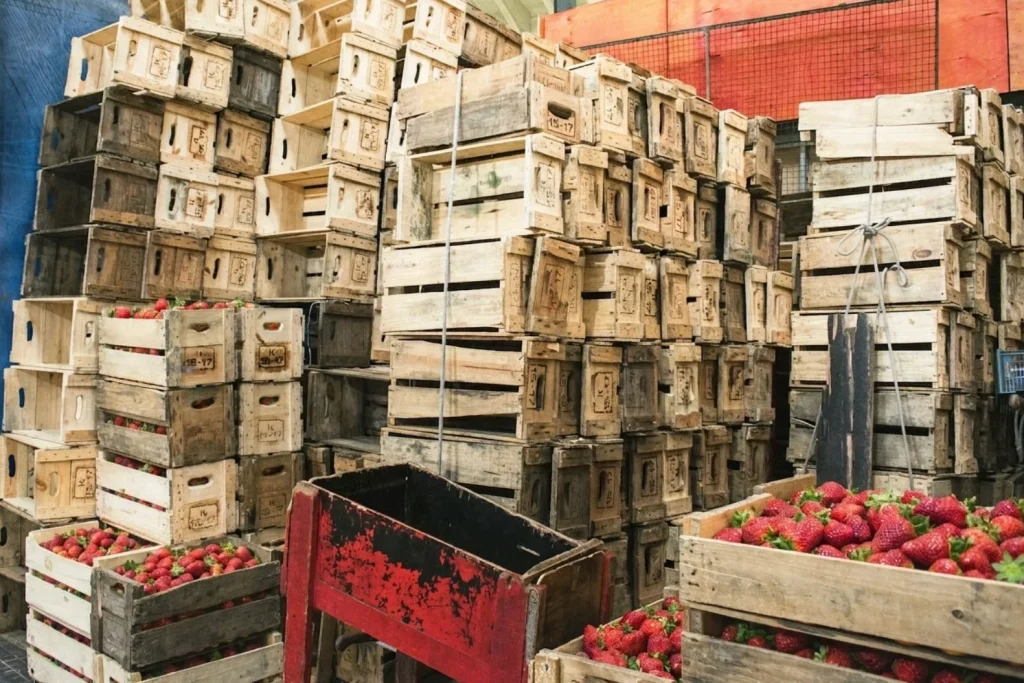
Egypt has been accelerating agricultural exports in 2026. Global buyers are increasingly pulling more produce from the country. A Cairo update has reported faster export flows under tighter quarantine controls. Fresh strawberry shipments have reached about 40,000 tons since the season began. The ministry links this pace to stricter checks and wider adoption of international plant health standards.
Total exports surge as strawberries experience a record year for outbound volumes. The Ministry of Agriculture and Land Reclamation says total agricultural exports have passed 5 million tons so far this year. Demand is rising as new markets open and export quotas expand across Europe, the Arab world, and Asia. This broader access is turning strawberries into a high-value crop with growing strategic importance.
Export growth is also being reinforced by technology and logistics upgrades on farms and in packing chains. A key shift is the expanded coding system that tracks produce from the field to the end consumer. Producers are also tightening pesticide residue compliance to meet global limits. Officials expect the strong fresh season to lift frozen and chilled strawberry exports, where Egypt already ranks first worldwide.
SOMA’s Perspective:
Egypt’s export boom only works if compliance keeps pace with demand. Buyers across Europe, the Arab world, and Asia expect strict quarantine checks, low pesticide residue, and full traceability from farm to shelf. More than just moving more volume,the real test is whether these standards hold up under pressure. Any slip will show up fast with buyers who rely on trust and tracking.
If you’d like to know more, contact us through:
Subscribe To Our Newsletter
Categories
- Events 4
- Intelligence Reports 2
- Newsletter 27
- Uncategorized 0
- Whitepapers 6