Soma Mater Newsletter – 02.11.2026
Welcome to the SOMA MATER weekly newsletter.
At SOMA MATER, we deliver comprehensive research and advisory services focused on Food & Water Security and Net Zero Transition in the MENA Region. To help our clients navigate these topics and understand the regional narrative, we accelerate problem-solving and unlock new opportunities through Strategic Advisory and/or Projects.
This weekly newsletter highlights the top 3 stories from the past week in Food and Water Security and Net Zero transition, along with SOMA MATER’s analysis and perspective.
How can local feed supply shield UAE and Saudi Arabia producers from rising global feed costs?
How could Saudi Arabia‘s 2027 utility tariff revisions affect farm and business costs?
How will Egypt‘s widening water gap push reuse and desalination to the front line of national priorities?
Sustainably yours,
The SOMA team
Closer to the Source: Al Dahra's Local Feed Deals Strengthens Regional Resilience
#FoodandWaterSecurity
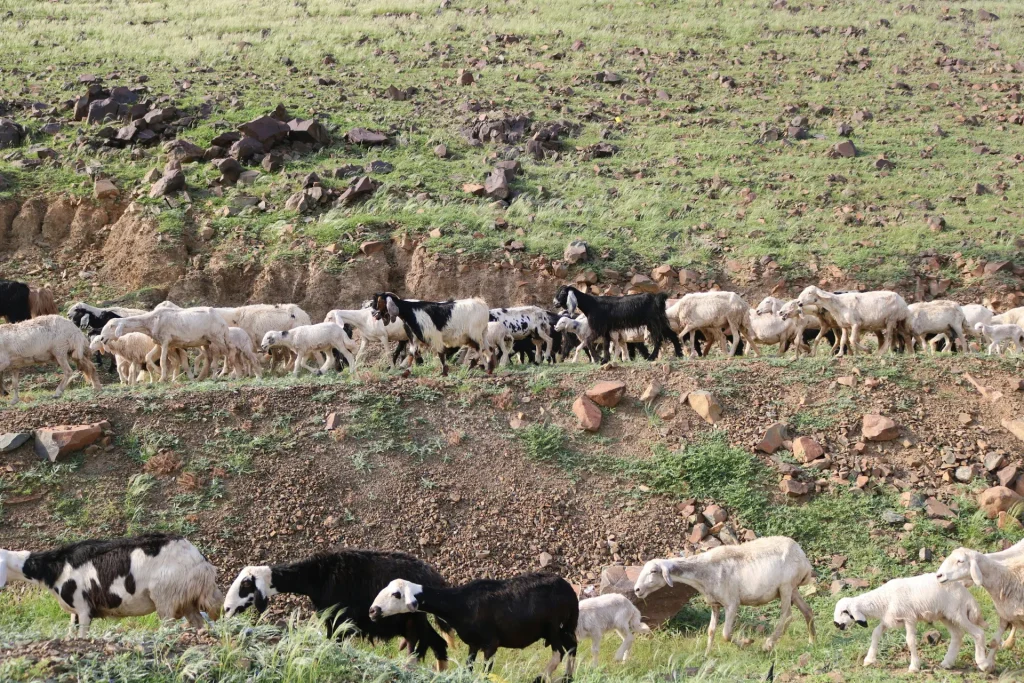
Al Dahra Group is strengthening its position in Saudi Arabia through new partnerships. The company signed 2 Memoranda of Understanding with Saudi companies Dar Al Alaf and Al Mutawa at the recent Saudi Agriculture 2026. The Kingdom is a key market for Al Dahra, as it consumes an estimated 5 million metric tonnes of forage annually. The company already holds approximately 17% share of the Kingdom’s forage imports.
A similar shift took place in the UAE. Al Ain Farms Group (AAFG) expanded their partnership with Al Dahra Holding at Global Food Week 2026. The new feed-supply agreement will improve local milk production consistency and strengthen local resilience across the UAE dairy value chain. Around 55% of AAFG’s annual feed purchases by value will be supplied locally by Al Dahra under this agreement. This is expected to build more value within the UAE’s food-production ecosystem.
Both of these moves align with global shifts. Animal proteins will be one of the sectors affected by the current Middle East conflict through higher livestock feed prices. Corn and soybean meal are primary inputs in poultry feed formulation, and El Niño-related drought could affect corn output and tighten cattle supplies in Brazil and Australia. The effect will be strongest in import dependent markets and sectors like poultry, where feed represents 60%-70% of live production costs.
SOMA’s Perspective:
We are noticing an increase in regional partnerships in the GCC. Recent conflict has made the region a network that is building on each country’s strengths, a change that is necessary as farms and population grow. The tension is that producers in countries like the UAE face rising feed costs they cannot pass on to consumers because of price controls. For businesses and policymakers, this means that regional resilience depends on improving feed production within the region and moving it across regional borders. Companies must map their exposure along the supply chain cascade now, as impacts vary with each farm’s location and customer base. Businesses in the poultry and livestock sector should treat cross-border feed collaboration as a lasting resilience strategy.
Balancing the Bill: How Saudi Arabia's Utility Tariffs Meet Support Measures
#FoodandWaterSecurity #NetZeroTransition
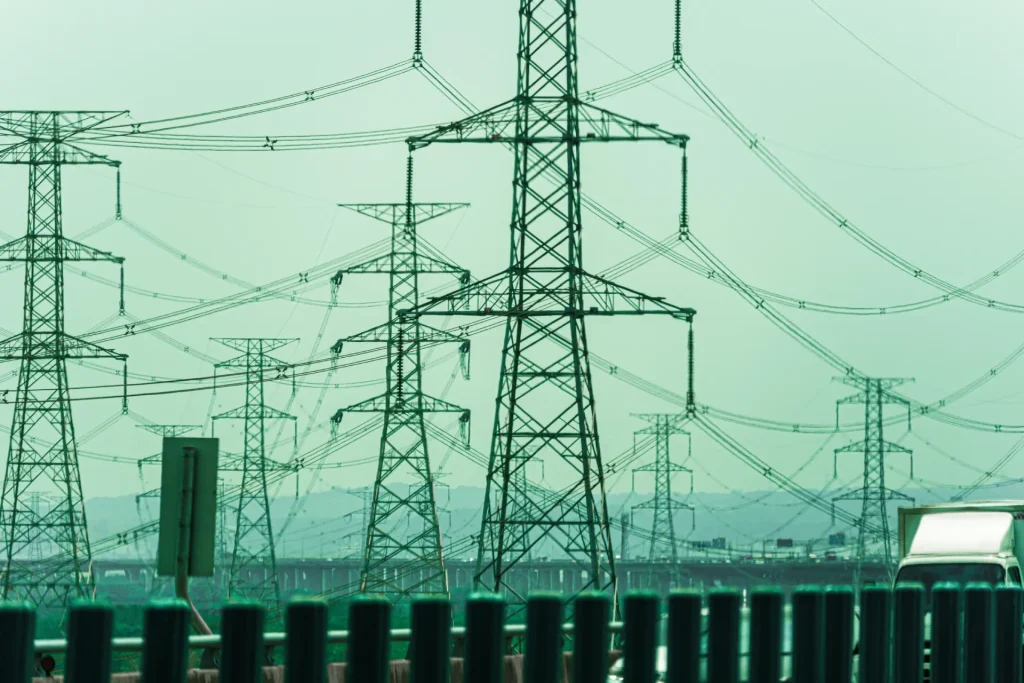
Starting 1 January 2027, Saudi Arabia will revise electricity, water, and wastewater tariffs. The Saudi Energy and the National Water Company announced the revisions, which will cover residential and non-residential customers as well as government customers. They aim to boost consumption efficiency for electricity and water while ensuring service sustainability.
These are a combined effort to ease the impact of higher utility costs. Under the new revision, social security beneficiaries will receive an additional monthly stipend of SAR 500, while civil service employees will receive a monthly increase of SAR 500. A third track brings a gradual increase in the minimum wage for a Saudi employee to count as one full worker under the Nitaqat program.
The impacts will vary depending on the sector. Most industrial and commercial activities will see a limited impact from the electricity changes. Farms with a monthly electricity bill of SAR 5,000 could see increases of SAR 300 to SAR 400. Customers using no more than 30 cubic meters of water will see bill increases capped at SAR 67, including value-added tax. The changes are expected to put some pressure on inflation, but the overall support measures should help contain the impact.
SOMA’s Perspective:
GCC governments are moving from planning for rising utility costs to acting upon decisions. The current situation has pushed water and energy costs toward consumers while governments try to absorb part of the burden. For businesses, farms, and policymakers, this means tariff reforms and support measures are going to reshape cost structures and budgets. Utility exposure for farms needs to be mapped now rather than after new tariffs take effect.
Thirsty by Design: Egypt's Widening Water Gap Is Pushing Reuse to the Front Line
#FoodandWaterSecurity
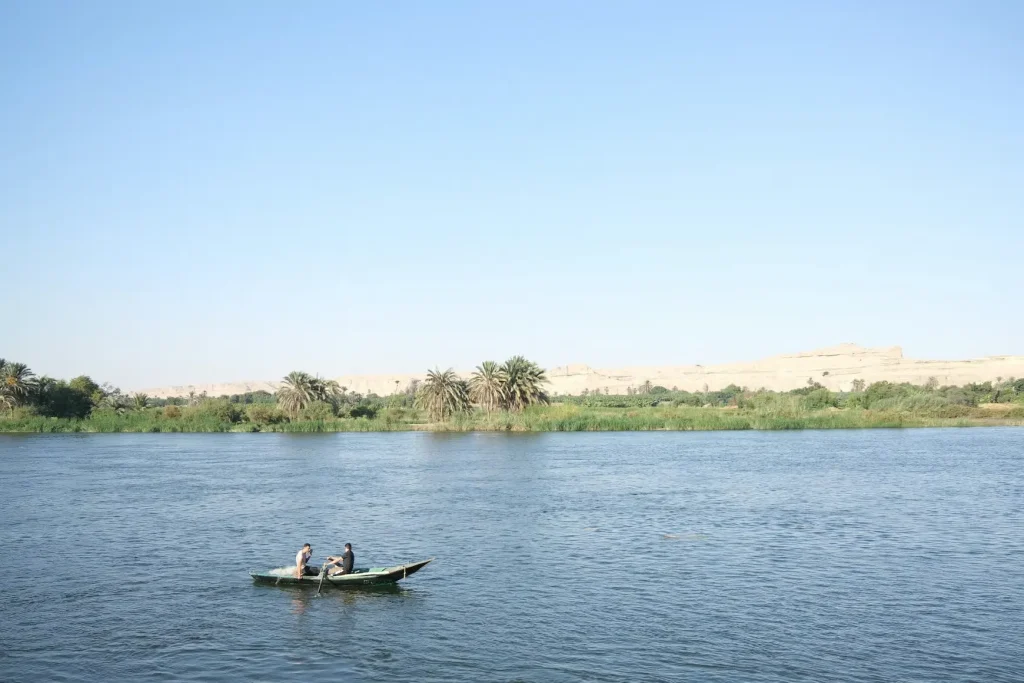
Egypt‘s water gap is growing fast. The 9th edition of Cairo Water Week (CWW 2026) featured 137 sessions on water security and climate resilience. Egypt currently needs ~120 billion cubic meters of water annually, but can meet only 89 billion cubic meters. Other elements like climate change, actions on the Nile, population growth, and seawater intrusion have added more pressure.
The country has explored different solutions to counter this shortage. Two of them include reusing water and adding new supply. The water gap has pushed Egypt to reuse around 23.2 billion cubic meters of water annually. Its new water management strategy rests on 10 pillars, including desalination and wastewater treatment, and aims to modernize irrigation infrastructure at a cost of around 1 billion Egyptian Pounds.
Despite these efforts, the country’s water supply depends greatly on the Nile. Egypt receives just 55.5 billion cubic meters of Nile water annually, around 1% of the basin’s total water resources. Over the years, its annual water share per person has dropped from ~2,000 cubic meters in the 1960s to just 473 cubic meters. The recent unilateral upstream actions on the Nile add more risk, as Egypt has requested a review of the Nile Basin Co-operative Framework Agreement.
SOMA’s Perspective:
The real tension is that water availability is dropping while needs keep rising. Desalination, wastewater reuse, and irrigation modernization are becoming core infrastructure in Egypt rather than buzzwords, which opens room for Gulf partners to bring technical expertise. Beyond these solutions, Egypt must examine where water issues lie and tackle them at the root, rather than just funding repairs. SOMA has a focus on projects that move from plans to delivery and regional players like Metito, who have been building regional resilience for years.
Sources:
https://www.reuters.com/markets/commodities/egypts-mostakbal-misr-secures-1267-mln-tons-mostly-russian-wheat-sources-say-2024-12-27/#:~:text=Mostakbal Misr%2C established in 2022,5 million tons per year.
If you’d like to know more, contact us through:
Subscribe To Our Newsletter
Categories
- Events 6
- Intelligence Reports 2
- Newsletter 31
- Uncategorized 0
- Whitepapers 6