Soma Mater Newsletter – 01.06.2026
Welcome to the SOMA MATER weekly newsletter.
At SOMA MATER, we deliver comprehensive research and advisory services focused on Food & Water Security and Net Zero Transition in the MENA Region. To help our clients navigate these topics and understand the regional narrative, we accelerate problem-solving and unlock new opportunities through Strategic Advisory and/or Projects.
This weekly newsletter highlights the top 3 stories from the past week in Food and Water Security and Net Zero transition, along with SOMA MATER’s analysis and perspective.
What are the biggest global risks of a “Super” El Niño event?
What does it mean for desalination and water infrastructure to become direct targets in conflict?
What are the biggest water and energy risks Egypt faces in delivering its New Delta Project?
Sustainably yours,
The SOMA team
El Niño: When the Pacific Turns Up the Heat
#NetZeroTransition #FoodandWaterSecurity
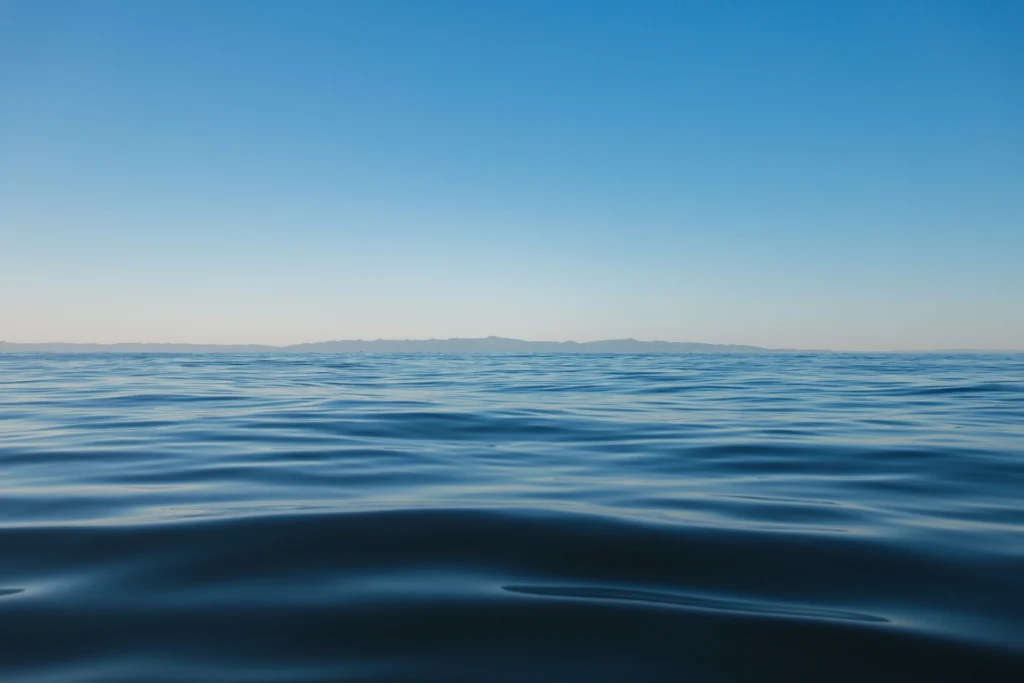
El Niño is a natural weather cycle in the Pacific Ocean. It occurs when waters near the equator get unusually warm, shifting wind patterns and weather globally. A strong event can raise the risk of flooding in some places and drought, heat waves, and wildfires in others. Forecasts suggest a “Super” El Niño is expected, which could affect hundreds of millions of people.
Impacts are hard to predict because no two El Niño events are the same. Models suggest the coming event could be the most intense since at least 1950, surpassing those in 1982–83, 1997–98, and 2015–16. The economic effects are also great: the 1997–98 event may have caused trillions in damage worldwide. Researchers estimate global income losses of $4.1 trillion from 1982–83 and $5.7 trillion from 1997–98.
El Niño events can cause crop losses, coral bleaching, and mortality as oceans overheat. Although groups like the Red Cross and the Red Crescent Society attempt to take anticipatory action, El Niño brings a lot of uncertainty. For example, the usual impacts of El Niño in 2023-24 were “offset” by the abundance of warm water elsewhere in the global oceans.
SOMA’s Perspective:
Choosing not to plan for an El Niño event is a strategic decision with an invoice attached. The real differentiator is not perfect forecasting, but disciplined modeling and scenario planning that unlock action before losses compound, as the Red Cross Red Crescent Climate Centre approach shows. This makes preparedness a basic economic management.
Thirst Lines: When Water Becomes a Weapon
#FoodandWaterSecurity
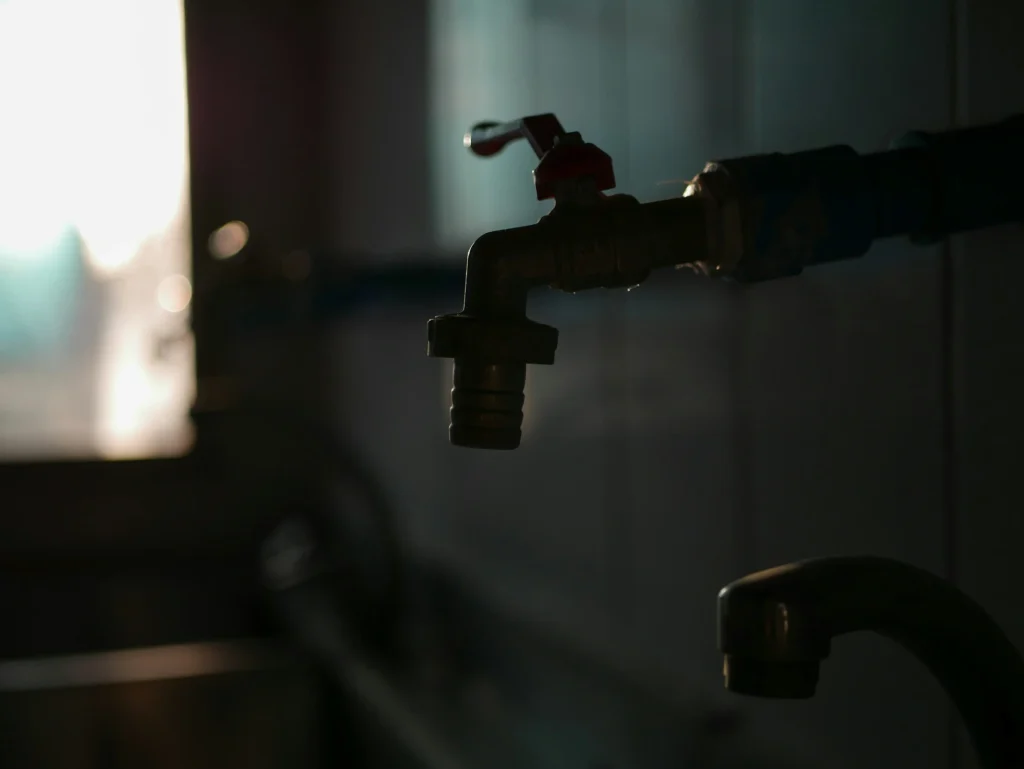
Conflict and escalation is no longer only about energy flows in the Gulf. The current U.S.-Iran war is already affecting food corridors and maritime routes. It is also stressing financial flows across the region. The conflict has crossed a dangerous threshold as desalination plants are now being directly targeted.
This is a significant shift in modern warfare. War is no longer confined to military bases or oil assets. It is now weaponizing ecological vulnerability as a strategic strategy. In the Gulf, desalination is still a necessary infrastructure that continues being used at scale. This conflict reveals that water now intersects military, economic, human, and climate security.
Countries in the Gulf region face several vulnerabilities. Saudi Arabia faces desalination-energy coupling risk, where strikes on power can cascade into water threats. Saudi also has tensions with Kuwait over shared aquifers. Water-related struggles in neighboring countries can also bring second-order risks to the Kingdom, such as migration pressure and food-supply vulnerability. Water is now a starting point for any conversation about regional stability.
SOMA’s Perspective:
Stability in the Gulf will increasingly be determined on whether water can keep flowing sustainably. We are seeing water stop being a background utility and turn into frontline leverage that can trigger food shocks, financial stress, and social pressure. Any serious risk model for the region now has to treat water resilience as a core security variable.
Desert to Breadbasket: Egypt’s New Delta Project
#FoodandWaterSecurity
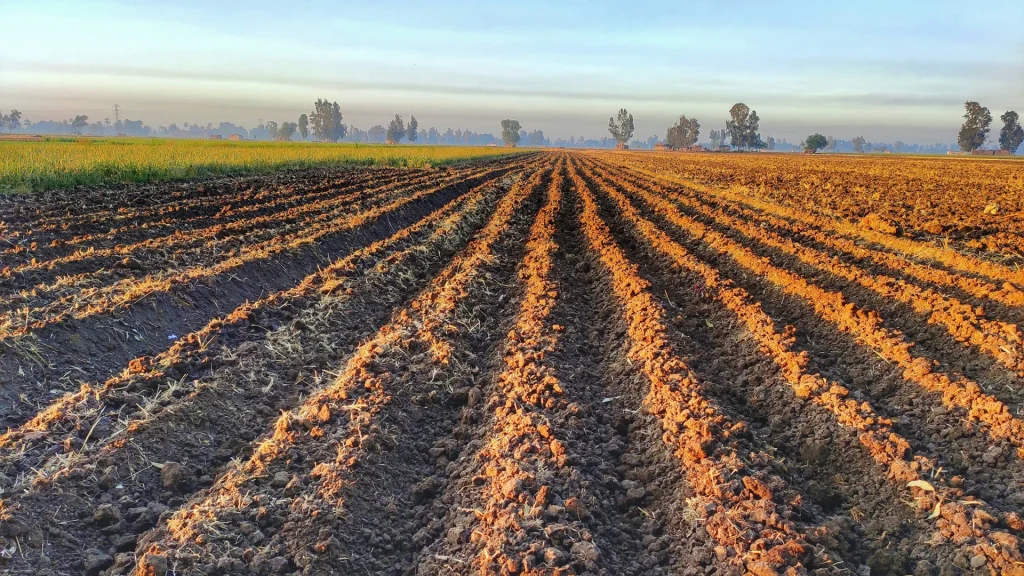
Egypt has launched its New Delta Project. It is the most ambitious land reclamation and agriculture development project in its modern history. The plan carries around $15 billion in investment and aims to convert 2.2 million feddans of desert into farmland. Cultivated area in Egypt is expected to increase by about 15% as a result.
The challenge will be in delivering water to a desert plateau that sits above the natural Nile drainage basin. Egypt will use an artificial river built around the El Hammam wastewater treatment facility on the Mediterranean coast. Treated drainage water will move through about 22 kilometres of pipes. Its canals will run up to 170 kilometres inland using 19 major pumping stations backed by 2,000 megawatts of electricity generation.
The project is designed to reduce structural import dependence by prioritizing self-sufficiency crops. Target crops include wheat, corn, and sugar beet. Studies also show that irrigation at this scale can reshape regional precipitation patterns. Existing Nile Delta irrigation reduces local rainfall by 2.7%, while adding the New Delta project could lead to a 1.3% increase in the Nile Delta rainfall. Irrigation can reduce summer rainfall by changing how land and sea heat up and cool down.
SOMA’s Perspective:
Egypt’s New Delta is a stress test of a water-intensive project in a water-scarce state. An energy-intensive model that depends on pumping and treated drainage will only be as durable as the governance that keeps salinity, maintenance, and power costs under control. Similar projects in the mid-to-late 20th century failed for those reasons. The real question is how future wheat yields will fare as temperatures rise.
If you’d like to know more, contact us at:
Subscribe To Our Newsletter
Categories
- Events 6
- Intelligence Reports 2
- Newsletter 28
- Uncategorized 0
- Whitepapers 6