
Soma Mater Newsletter – 23.11.2026
Welcome to the SOMA MATER weekly newsletter.
At SOMA MATER, we deliver comprehensive research and advisory services focused on Food & Water Security and Net Zero Transition in the MENA Region. To help our clients navigate these topics and understand the regional narrative, we accelerate problem-solving and unlock new opportunities through Strategic Advisory and/or Projects.
This weekly newsletter highlights the top 3 stories from the past week in Food and Water Security and Net Zero transition, along with SOMA MATER’s analysis and perspective.
How can the UAE strengthen its food system against future shocks based on lessons learned from the Strait of Hormuz disruption?
How could global events accelerate the demand for onsite renewables for businesses across the Middle East and Africa?
How can Abu Dhabi’s focus on farm metering help reduce groundwater abstraction?
Sustainably yours,
The SOMA team
Post Hormuz: A Report of the UAE Food Chain from Farm to Shelf
#FoodandWaterSecurity
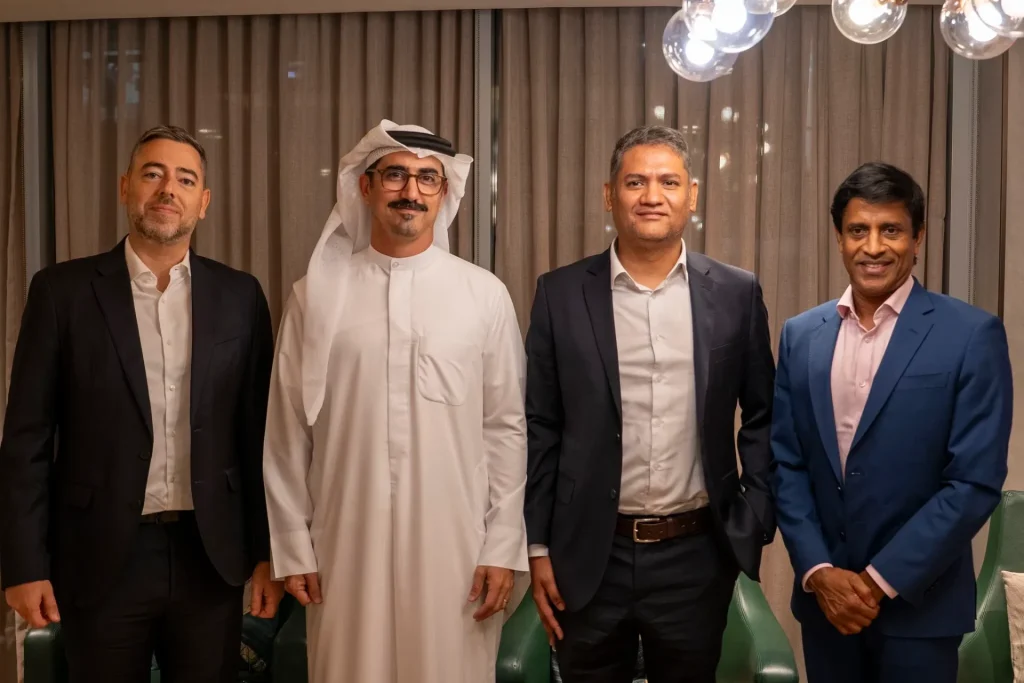
When the Strait of Hormuz was disrupted in February 2026, the United Arab Emirates faced port diversions, higher freight rates, and supply shortages. SOMA MATER recently convened a roundtable at Capital Club Dubai to discuss how grocery shelves have remained stocked and where vulnerabilities still exist. It brought together senior practitioners, including domestic agricultural producer (Yazen Al Kodmani, General Manager of Emirates Bio Farm), a logistics and commodities operator responsible for bringing bulk and containerised food into the country (Sachin Matpal, Executive Vice President at Al Ghurair), and a food retailer serving consumers directly (Sunil Kumar Sekharan, CEO of Spinneys Dubai).
A SOMA MATER report (see link below) summarizes the main discussions and findings. Although government coordination and alternative land routes helped prevented widespread shortages, businesses cannot absorb rising costs indefinitely. It lays out strategic paths for commercial leaders and policymakers. First, companies must adopt resilience strategies built for recurring shocks rather than assuming a return to pre-February conditions. The report also calls for stronger stakeholder communication to give clearer signals and greater confidence for investment in the supply chain. It then recommends documenting and creating real-world case studies to protect the nation against recurring global trade shocks.
Fueling The Solar Shift: How Energy Disruptions Could Boost Onsite Renewables
#NetZeroTransition
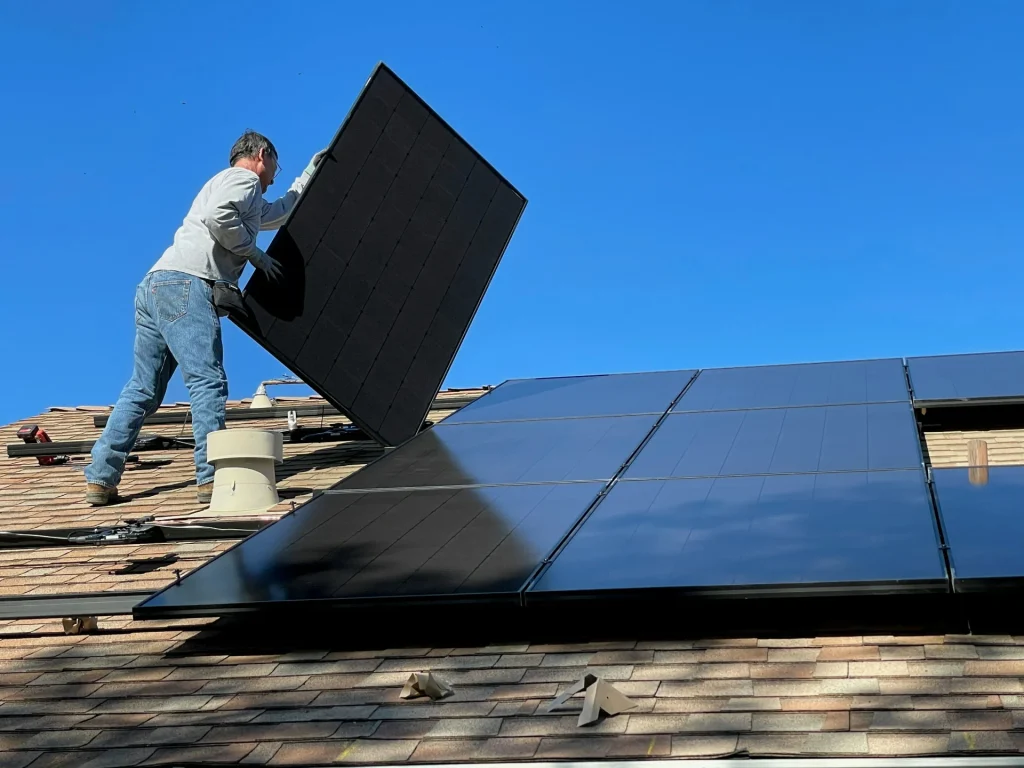
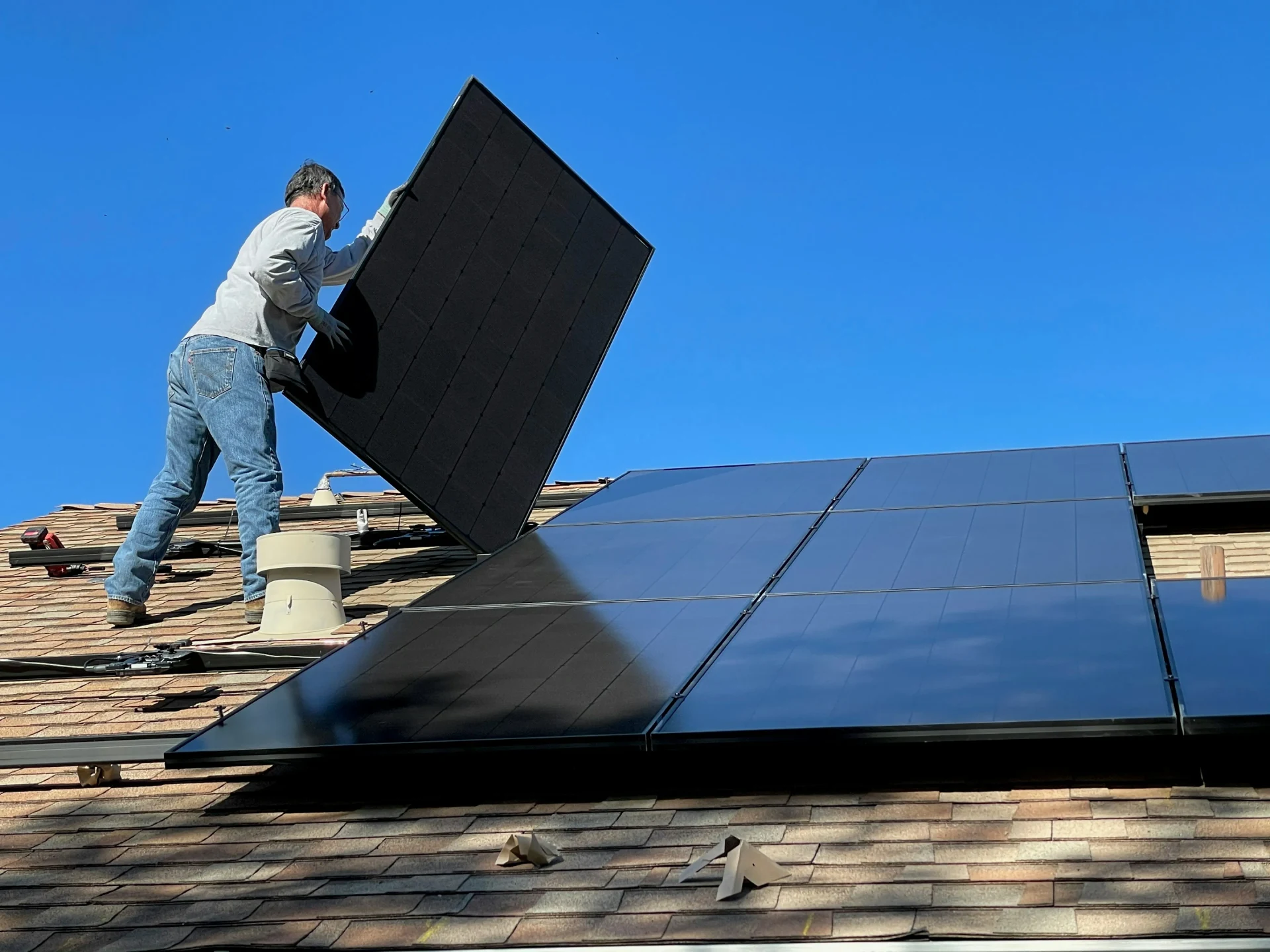
Renewables could regain momentum as politics and fuel costs shift the outlook. The U.S. midterm election results bring back hope for renewables after the Trump administration’s attacks on clean energy. With sky-high fuel prices and Democratic control of Congress, the adoption of renewable energy is expected to increase. Yellow Door Energy’s CEO hopes for a renewed tailwind for renewables during COP31.
At the 31st meeting of the Conference of the Parties (COP31), the sentiment around renewables is mostly optimistic. Yet, it is framed chiefly as tools for electrification and energy security. A new Global Electrification Pledge announced at COP31 targets a 35% share of final energy consumption by 2035, up from 23% today, under the 35×35 target. The target draws on analysis by the International Energy Agency (IEA) and the International Renewable Energy Agency (IRENA). There were also increases in annual investment commitments to up to $156 billion for power grids, renewable energy and storage.
Onsite renewables are becoming valuable to businesses. Global disruptions have increased interest in renewables due to threatened oil and gas supplies, delayed construction, and logistics rerouting. Yellow Door Energy is seeing more firms seek to generate what they need, where they need it. The company has 500 megawatts of solar projects across the Middle East and Africa and expects continued growth in 2027. Its Saudi Arabian market is growing, and it is expanding with Aldar and PureHealth in Abu Dhabi.
SOMA’s Perspective:
The renewed interest in renewables is being driven by supply disruptions that make dependence on conventional fuels costly and uncertain. Onsite generation can strengthen energy security for businesses across the Middle East and Africa. COP31’s electrification pledge and higher investment commitments point to a broader shift whose delivery depends on grids, storage and sustained implementation. The current tailwind is meaningful, but corporate demand must ultimately translate into reliable infrastructure and lasting deployment.
Counting Every Drop: How Farm Water Meters Support Abu Dhabi’s Groundwater Goals
#FoodandWaterSecurity
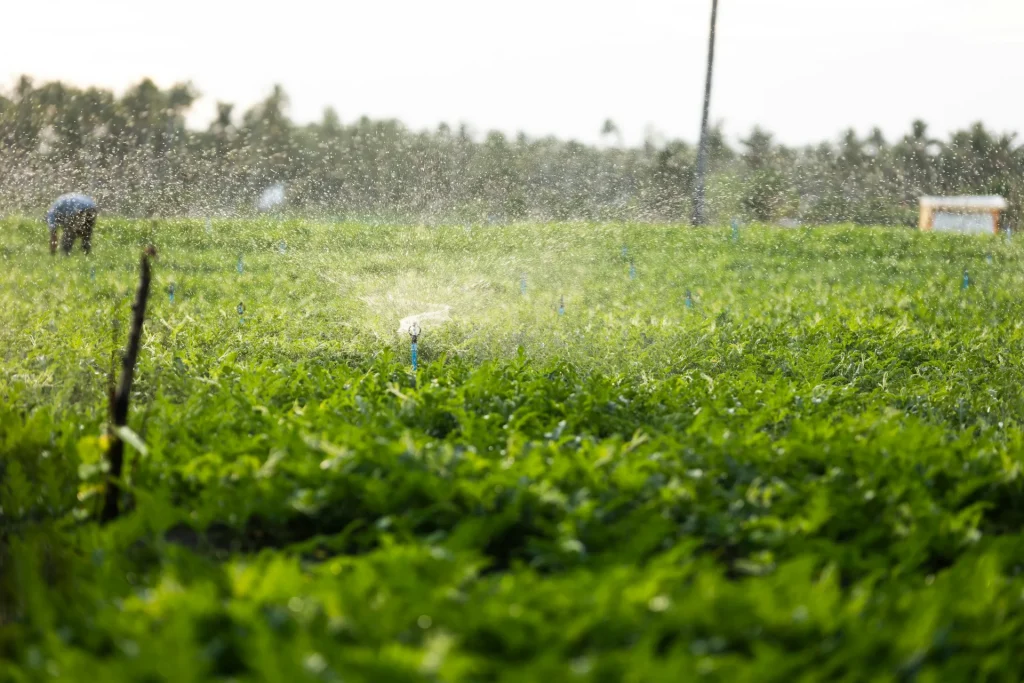
In 2023, Abu Dhabi is estimated to have withdrawn 1.8 billion m³ of water annually. This is about 20 times the natural replenishment. The quality of this groundwater is deteriorating. Around 97% of Abu Dhabi’s reserves are highly or moderately saline and unsuitable for most uses without desalination, with some areas depleted. The Environment Agency of Abu Dhabi (EAD) regulates well drilling and abstraction in the Emirate.
Recently, the Executive Council reviewed the progress made by the Integrated Water Strategy since November 2025. It is overseen by the Department of Energy (DoE). Key targets and initiatives include reducing groundwater abstraction by 500 million cubic meters by 2030 toward groundwater net zero. It also aims to cut network losses by 40% by 2035 and improve demand efficiency by 32% by 2030. It aims to harvest 100 million cubic meters of rainwater annually while aiming for zero discharge of treated wastewater. There are also plans for an Abu Dhabi Water Balance Sheet Policy to map resources and balance long-term supply with demand.
The Abu Dhabi Water Balance Sheet Policy would provide a comprehensive overview of available water resources, their sources and consumption patterns. It would support data-driven decision-making and strengthen long-term planning to balance water supply and demand. The review reported 4 irrigation infrastructure projects, completion of the first pilot phase involving the installation of 80 agricultural water meters and implementation of 18 model farm pilots. Farm metering is becoming an important tool as Abu Dhabi pursues groundwater net zero by 2035.
SOMA’s Perspective:
Farm water metering is valuable when it connects abstraction to crop-level productivity and alternatives such as recycled water. For policymakers, linking farm-meter readings with well, crop, and recycled-water records could show where reductions are feasible while limiting the cost to local food production. For farmers, clear benchmarks would make the trade-offs practical. SOMA believes that the Water Balance Sheet should turn this evidence into decisions.
If you’d like to know more, contact us through:
Subscribe To Our Newsletter
Categories
- Events 6
- Intelligence Reports 3
- Newsletter 33
- Uncategorized 0
- Whitepapers 6