Soma Mater Newsletter – 22.06.2026
Welcome to the SOMA MATER weekly newsletter.
At SOMA MATER, we deliver comprehensive research and advisory services focused on Food & Water Security and Net Zero Transition in the MENA Region. To help our clients navigate these topics and understand the regional narrative, we accelerate problem-solving and unlock new opportunities through Strategic Advisory and/or Projects.
This weekly newsletter highlights the top 3 stories from the past week in Food and Water Security and Net Zero transition, along with SOMA MATER’s analysis and perspective.
How will global trade evolve over the next few years, and how will the sustainability narrative hold up?
How will shifting Food for Peace to USDA reshape food aid priorities for countries facing severe hunger?
How can Egypt scale desalination while turning brine waste into a viable business model?
Sustainably yours,
The SOMA team
Trade Winds Are Shifting: Who Runs Trade Now
#NetZeroTransition
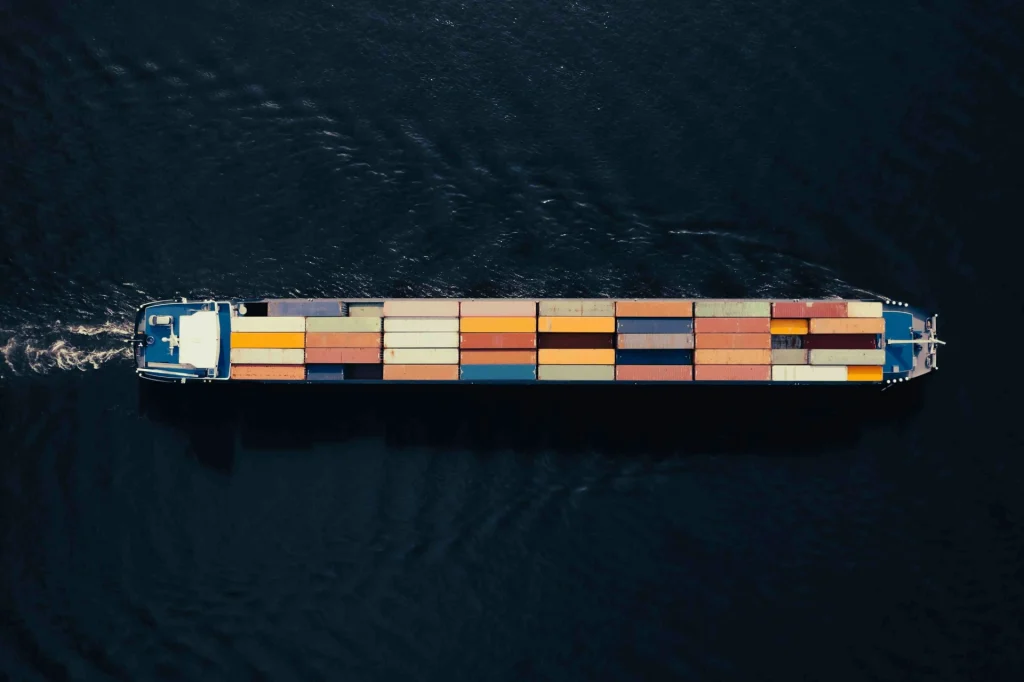
The Dubai Multi Commodities Centre‘s Future of Trade 2026 report shows that global trade is unlikely to return to the conditions of the past decade. South-South trade between developing economies now accounts for 35% of global merchandise activity, with middle powers such as the UAE redirecting supply chains in their favor. While the trade finance gap has widened, the World Trade Organization‘s authority has weakened in parallel.
Some forces will shape trade over the next 2-3 years. AI has crossed the operational point of no return. This will create a competitive divide between early adopters and those that lag behind. Tariffs and protectionist measures now affect 19.7% of global merchandise imports, and escalation is expected. Firms are increasingly willing to invest in resilience, while critical minerals will become the next supply chain pressure point. The energy transition is becoming a contest for industrial advantage, with a narrowing window to act.
Business sentiment reflects this. 71% of respondents expect modest trade growth over the next 1 to 3 years, while fewer than 5% anticipate strong growth. Almost three-quarters expect trade to become regional and bloc-based or bilateral, and 50% identify tariffs and protectionist measures as the main constraint. Organizations are accelerating digitalization, strengthening sanctions screening, and reducing reliance on single-country sourcing.
SOMA’s Perspective:
The climate narrative has fallen down the priority list. Yet rather than fade, the transition is being reframed as resilience and competitiveness. Over the years, firms and governments that embed transition capabilities into their trade and supply-chain decisions will have them as basic operating requirements, not sustainability branding. The advantage will go to actors that move early to de-risk exposure and build credible transition capacity now.
From Aid to Exports: The New Food-for-Peace Playbook
#FoodandWaterSecurity
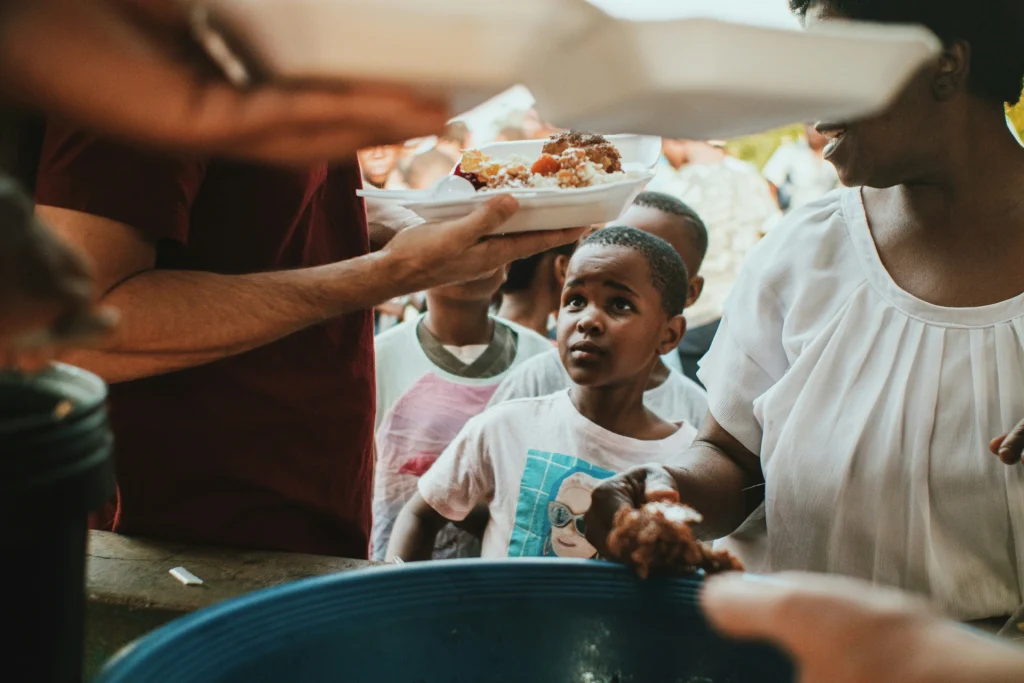
The U.S. Agency for International Development (USAID) was dismantled in 2025. This moved Food for Peace (a program that fed more than 4 billion people across 70 years) to the United States Department of Agriculture (USDA). Under this agency, it has recently selected only 7 countries to receive American grain, 2 of which do not meet the emergency threshold. Countries like Sudan and Nigeria, which are facing the largest hunger crisis in the world, were excluded.
Structural details are widening the gap. USDA requires that 50% of all grant money be spent on U.S. commodities and freight, leaving only half the budget for inland transport, storage, distribution, and monitoring. In places like the Democratic Republic of Congo, NGOs may have to cut programming costs to offset high operational ones. A new shipping formula could be a possible solution, but risks distorting the food basket of 2,100 calories per person per day by UN nutritional standards composition.
This is a shift to ‘trade over aid’. One goal of Food for Peace is to create new markets for U.S. farmers through tariff reductions and increased commodity sales. The example of Haiti in 1986 shows that tariff cuts backed by the International Monetary Fund (IMF) once flooded the market with subsidized American rice. This undercut local farmers and destabilized food systems. When commercial interests take priority over humanitarian ones, both are likely to suffer.
SOMA’s Perspective:
U.S. food aid has been drifting from a famine-response tool into a trade instrument that rewards domestic suppliers and expands export markets. That transition locks vulnerable countries in dependency, crowd out local production, and weaken long-term food system resilience. If these programs want to build credibility, they will need to put humanitarian need at the center again.
Turning Thirst into Treasure (and Brine into Business)
#FoodandWaterSecurity #NetZeroTransition
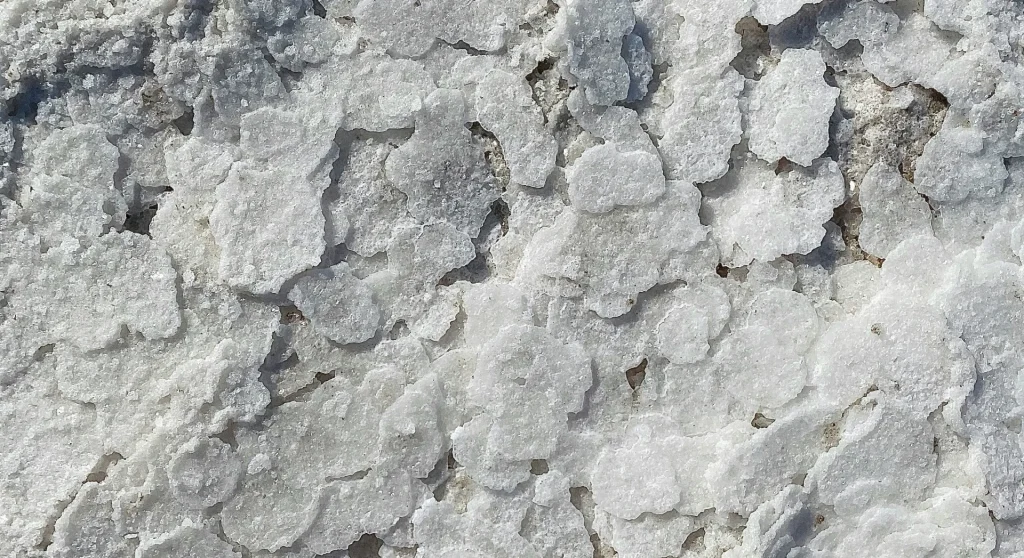
Egypt‘s annual per capita water share fell to around 490 cubic metres. This is less than half the international water-poverty threshold of 1,000 cubic metres. Today, Egypt operates more than 100 desalination plants producing around 1.4 million cubic metres of desalinated water daily. It plans to expand capacity to 10 million cubic metres per day, with active discussions with Saudi Arabia’s ACWA Power.
Yet desalination comes at a cost. For every litre of freshwater produced, roughly 1.5 litres of brine are generated. At current output, Egypt’s plants could produce an estimated 2.1 million cubic metres of brine per day. This becomes a risk to biodiversity and tourism when discharged into ecosystems like the Red Sea. ‘Brine mining’ offers a possible solution: it involves recovering dissolved elements such as sodium chloride, magnesium, potassium, bromine, and lithium from salt solutions.
The case for MENA is clear. The region imports large quantities of industrial salts, fertilizers, and critical minerals, while brine mining can be an alternative. Technologies like nanofiltration, selective ion-exchange membranes, zero liquid discharge (ZLD), and solar evaporation ponds make it possible to recover saleable salts for use in industry and aquaculture. Similar models used in China’s salt lakes show brine can be a resource rather than just waste.
SOMA’s Perspective:
Desalination is an essential part of MENA’s water strategy. It is also a classic case of solving one scarcity by creating another. The goal will be to shift toward waste management, as brine becomes a growing environmental liability that will be harder to ignore at scale. It is necessary to build the regulation, infrastructure, and partnerships to capture value from brine rather than pushing the costs downstream.
If you’d like to know more, contact us at:
Subscribe To Our Newsletter
Categories
- Events 4
- Intelligence Reports 2
- Newsletter 27
- Uncategorized 0
- Whitepapers 6