Soma Mater Newsletter – 21.09.2026
Welcome to the SOMA MATER weekly newsletter.
At SOMA MATER, we deliver comprehensive research and advisory services focused on Food & Water Security and Net Zero Transition in the MENA Region. To help our clients navigate these topics and understand the regional narrative, we accelerate problem-solving and unlock new opportunities through Strategic Advisory and/or Projects.
This weekly newsletter highlights the top 3 stories from the past week in Food and Water Security and Net Zero transition, along with SOMA MATER’s analysis and perspective.
How are resource security outcomes disproportionately worse for lower-income subgroups and regions?
How can private sector investment complement public spending to accelerate results in the water sector?
How could Saudi-led desalination and transmission planning help rebuild Syria’s water infrastructure?
Sustainably yours,
The SOMA team
Uneven Burdens: Why Averages Miss The Poorest In Food, Energy, And Water Stress
#FoodandWaterSecurity
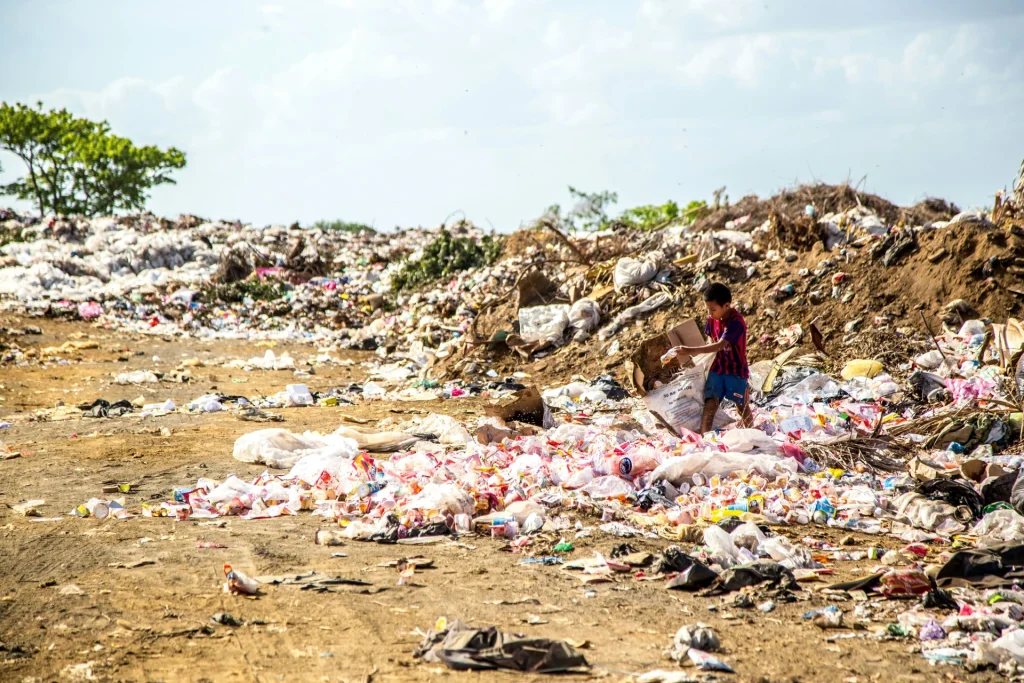
A recent study shows how averages can hide real pressure points in resource security. The new research article published in Earth’s Future links food, energy, and water into one model and uses the Global Change Analysis Model to make simulations across 32 world regions. It split each region into 10 income subgroups to better capture their differences.
The findings reveal that resource security outcomes are highly uneven across regions and income levels. In sub-Saharan Africa and India, the poorest groups are expected to spend nearly 50% of their income on food in 2050. This is significantly higher than the global median of just 15%.
Energy stress is also concentrated at the bottom. The Middle East and South Africa show residential energy burdens of up to 19% and 14% of income, respectively. Access to water is similarly unequal. Basins across Pakistan, India, the Middle East, and Central Asia have the worst states of water scarcity. The uncertainty on food burdens is also disproportionate: in Western Africa, the share of income spent on food for the poorest population could range from as little as 18.5% to as much as 77.5% depending on future assumptions.
SOMA’s Perspective:
The lack of food, water, and energy access and affordability is expected to fall on communities already at the edge of instability. This makes them potential hotspots for conflict. When households spend nearly half of their income on basic needs, the likelihood of political unrest rises. These are the countries that need to receive the most attention and early targeted support as preventative measures. Because food insecurity, water insecurity, and conflict are connected, one insecurity and instability reinforces another in a cyclical manner.
Bridging The $6.7 Trillion Gap: Why Water Finance Needs Execution, Not Just Capital
#FoodandWaterSecurity
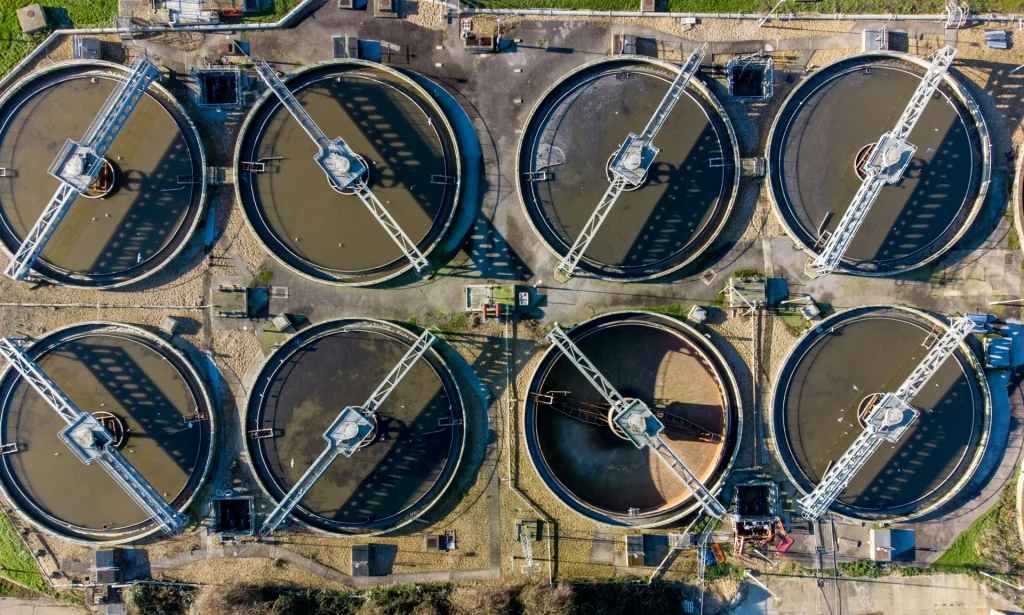
Our Sustainable Development Goal 6 is already offtrack. We are currently facing a financial gap of $6.7 trillion for water-related infrastructure by 2030. Today 90% of the total spending on the water sector comes from governments and public capital. In the UAE this is being framed as an opportunity for the private sector, as governments look for partners that can scale delivery.
The real challenge in water projects is execution. Fewer than 13% of countries reported having the financial and human resources to deliver their own water, sanitation and hygiene (WASH) plans. The funding gap between identified needs and available money sits at roughly 46%, and close to 40% of treated water is lost before billing. Yet the evidence shows that every dollar invested in sanitation returns five dollars and fifty cents in lower health costs, higher productivity, and fewer premature deaths.
The capital is often available but cannot be absorbed, executed, and recovered. Success will shift towards those who can structure a deal that actually closes, gets built, and gets paid back. In the Gulf, public-private partnerships are already being paired with new finance signals. The First Abu Dhabi Bank (FAB) recently became the first MENA region bank to sign the UN Sustainable Blue Economy Finance Principles. It has set a AED100 billion target for sustainable water infrastructure and blue economy projects.
SOMA’s Perspective:
Capital is announced and deployed at scale at global climate and water events, but project execution must follow. Besides attracting the capital needed for the water sector, it is important to invest in projects where financing is actually mobilized and delivered. These are the initiatives worth backing. Water is not only a public sector issue, but is becoming an increasingly private-sector concern. Communicating this in numbers to the private sector can help attract private financing more confidently.
From Drought To Deal Flow: ACWA and Partners Map Syria’s Water Rebuild
#FoodandWaterSecurity
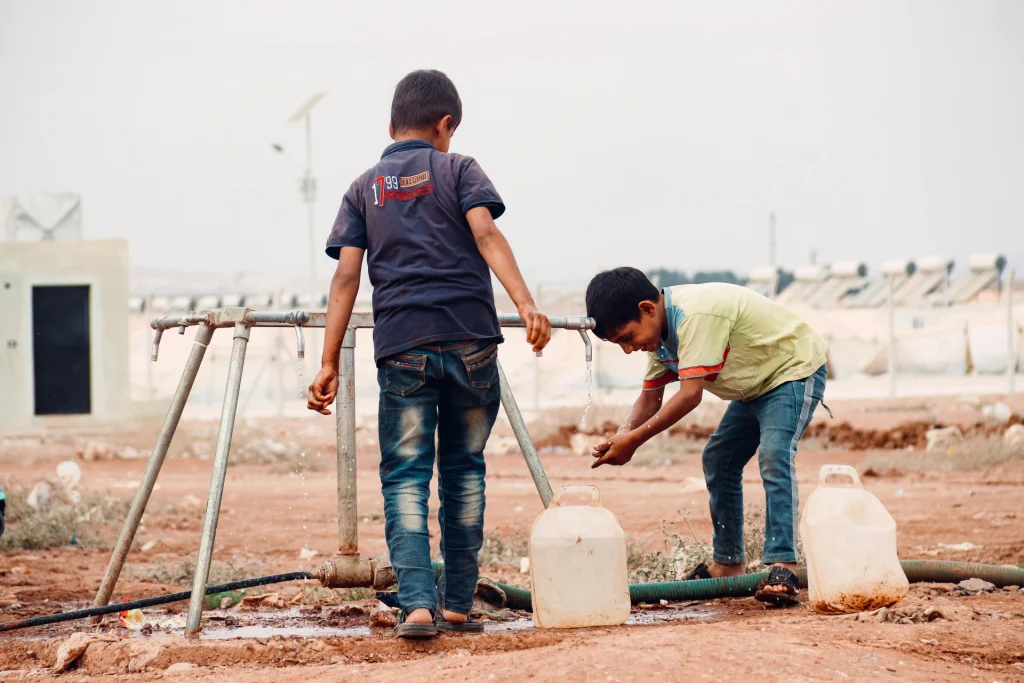
New funding is flowing into Syria’s heavily strained water sector. Saudi developer Acwa and the Water Transmission Co. signed a technical services agreement with Syria’s Energy Ministry and Germany’s Fichtner. They will jointly assess the country’s water resources and identify desalination and transmission projects. This upcoming work follows preliminary studies started in February into Syria’s water demand, available resources, and potential desalination and transmission solutions.
The numbers behind the plan are significant. The current project sits within a broader Saudi economic push in Syria as the Kingdom’s companies deepen their involvement in rebuilding the country after years of conflict. In February, the two countries announced 80 agreements and MoUs worth more than $10.67 billion. This comes as a change to Syria’s water-sector history of suffering from underinvestment and climate-related stresses.
Today, the country’s water security is in critical state. More than 50% of its water treatment plants and sewerage systems are damaged or not functioning. Water supply has fallen 40% from pre-war levels, and more than 50% the population lacks adequate WASH services. The land surface is no longer able to gradually absorb and retain water due to temporal rainfall imbalance, and many dams have hit “dead storage” levels. Drought episodes from 2006 to 2021 have depleted around 60% of groundwater reserves in northeastern Syria.
SOMA’s Perspective:
Water-related work is going to become more necessary in conflict-stressed regions like the Middle East. Yet, even when physical water infrastructure is repaired, the underlying systems that keep water running are still weakened. For Syria specifically, rebuilding “infrastructure” will mean rebuilding capacity and the wider system in which these infrastructures will operate.
If you’d like to know more, contact us at:
Subscribe To Our Newsletter
Categories
- Events 3
- Intelligence Reports 2
- Newsletter 25
- Uncategorized 0
- Whitepapers 6