Soma Mater Newsletter – 20.04.2026
Welcome to the SOMA MATER weekly newsletter.
At SOMA MATER, we specialize in delivering comprehensive research and advisory services with a focus on Food & Water Security and Net Zero Transition in the MENA Region. In order to support our subscribing clients in navigating these topics and understanding the regional narrative, we produce monthly Food and Water Security and Net Zero Transition Intelligence Reports, along with our in-depth analysis and insights.
This weekly newsletter highlights the top 3 stories from the past week in Food and Water Security and Net Zero transition, along with SOMA MATER’s analysis and perspective.
How is the role of renewable energy shifting from purely climate commitment to competitive strategy?
What is the current growth trajectory of Saudi Arabia’s bottled water market, and how might it affect sustainability goals?
How does Egypt’s role as a grain and energy hub reflect a broader change in global supply chains?
Sustainably yours,
The SOMA team
From Clean to Keen: Big Tech’s New Power Strategy
#NetZeroTransition
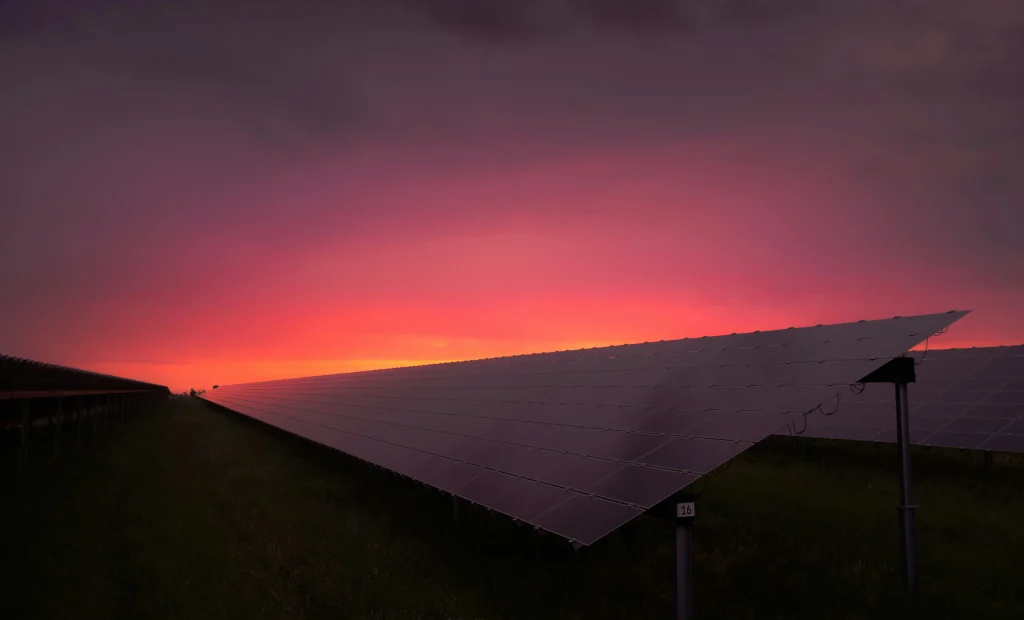
ChatGPT launched in 2022. Since then, it sparked the question of whether AI adoption could coexist with sustainability goals. The answer is “yes,” but for Big Tech, carbon-free power is increasingly about energy autonomy, diversification, and price stability, not just environmental benefits. As a result, companies are treating clean electricity as a strategic input to AI competitiveness, not just a climate measure.
That shift is already happening. Amazon, Google, Meta, and Microsoft have contracted about 135 GW of clean energy capacity as of late February 2026, up nearly fourfold in the last three years. A major factor has been the growing AI-related energy demand, which has made Google’s future emissions trajectory harder to project. Simply wind and solar procurement is broadening to include biomass, geothermal, hydropower, and nuclear.
Natural gas is exposed to supply disruptions and price shocks. This makes direct procurement from power plants and on-site generation important for hedging against global volatility and geopolitical risk. Renewables also face early supply chain risks, but adoption continues accelerating regardless. Around 67% of energy used in data centers came from renewable sources in 2025, and hyperscalers have signed nuclear capacity in the US totaling 17 GW.
SOMA’s Perspective:
Renewables are no longer just a climate story, they are increasingly a matter of energy autonomy. They are allowing the decoupling of energy supply from the grid, as we will continue to see post-Hormuz. Diversified and controllable clean power are being prioritized over purely sustainable intentions. Those that can deliver firm, reliable clean electricity at scale will be at an advantage, and the window to invest is now.
Bottled Billions: Saudi’s Water Rush
#FoodandWaterSecurity
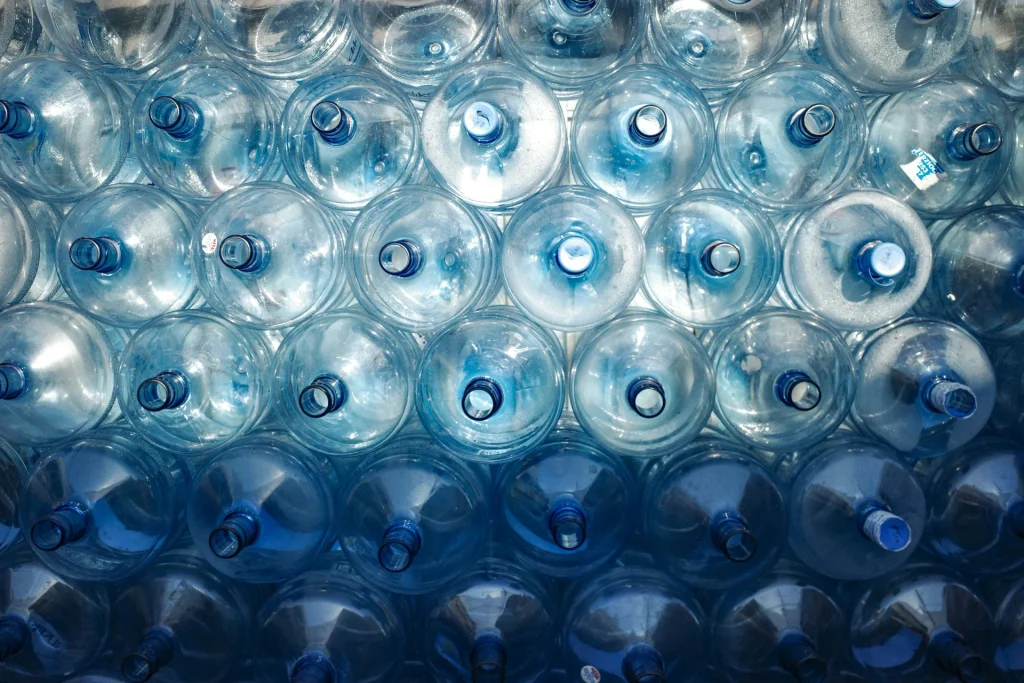
Saudi Arabia’s bottled water industry continues to grow, pushed by a rising population, rapid urbanization, and tourism expansion. The market is projected to reach $5.5 billion by 2034. The sector is also benefiting from convenience and health-driven demand, as more consumers choose premium, mineral, and alkaline water. Some bottled water companies have posted $1.16 million in net profit in 2025, up 51.87% year on year.
The market’s growth is expected to be around 8% annually, driven by limited natural freshwater resources and reliance on bottled water as a primary drinking source. That dependence tends to split along global development lines. In the Global North, bottled water is often seen as a healthier and tastier product than tap water. In the Global South, demand is driven by the lack or absence of a reliable public water supply.
This growth comes with a sustainability test. The world produces around 600 billion plastic bottles, or roughly 25 million tonnes of plastic waste, much of which is not recycled. On a deeper level, weak water policies can also enable uncontrolled groundwater withdrawals. Yet, Saudi Green Initiative’s waste reduction targets have added pressure to adopt more circular models. Recently, Health Water Bottling Company (owner of “Nova”) signed an MoU with the Saudi Investment Recycling Company (SIRC) under the Public Investment Fund (PIF) with a focus on recycling.
SOMA’s Perspective:
Saudi’s bottled water boom signals both consumer trend and a global narrative of structural water insecurity. This sector’s growth, if built on plastic use and excessive groundwater extraction, can become a fragile model. If regulation, recycling, and waste management infrastructure do not develop at the needed scale, this growth could collide with Saudi’s circularity targets.
Grain Games: Russia Eyes Egypt As New Hub
#FoodandWaterSecurity
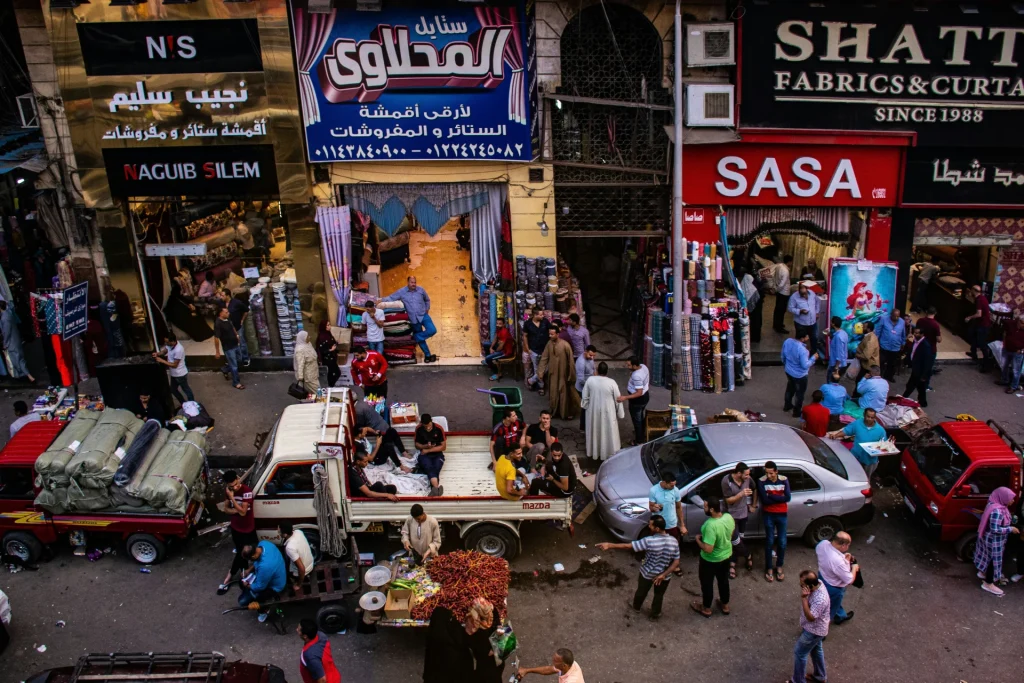
Russia is positioning Egypt as a possible hub for commodity flows. Russian President Vladimir Putin proposed the establishment of a specialized grain and energy logistics hub in Egypt. Due to sanctions, the country is seeking alternative routes for its energy and commodities exports. Egypt stands out as a strategic location, as it plays an important role in managing Russian commodities bound for Africa and the Middle East.
Egypt’s role in food trade is also important. As the biggest buyer of Russian wheat, it has purchased about 7.6 million tonnes of Russian grain so far this season, roughly in line with last year. The link to the energy sector is also growing, with Egypt being a major importer of Russian petrol and potentially exposed to Moscow’s decision to ban exports until the end of July.
This consensus also extends to firms. There is a global corporate scramble to keep goods moving despite conflict risks intensifying. A survey shows that 60% of firms worry about supply-chain disruption and rising energy and commodity prices, while over half of companies seek alternative shipping routes or carriers. Geopolitical and political risk now tops the list for 65% of firms, and 80% have adjusted routes since 2025 to avoid higher tariffs and geopolitical risk.
SOMA’s Perspective:
We are seeing essential commodities re-map influence across the MENA region on a heightened scale. Supply chains are being redesigned around conflict risk. This means that resilience planning can no longer afford to account for price only, but must account for political exposure as well.
Sources:
SOMA MATER is writing Intelligence Reports on the topics of Food and Water Security and Net Zero Transition. If you’d like to know more, contact us through the link below:
Subscribe To Our Newsletter
Categories
- Events 4
- Intelligence Reports 2
- Newsletter 27
- Uncategorized 0
- Whitepapers 6