Soma Mater Newsletter – 18.05.2026
Welcome to the SOMA MATER weekly newsletter.
At SOMA MATER, we deliver comprehensive research and advisory services focused on Food & Water Security and Net Zero Transition in the MENA Region. To help our clients navigate these topics and understand the regional narrative, we accelerate problem-solving and unlock new opportunities through Strategic Advisory and/or Projects.
This weekly newsletter highlights the top 3 stories from the past week in Food and Water Security and Net Zero transition, along with SOMA MATER’s analysis and perspective.
How did the global electricity and clean power sector perform in 2025?
What does the UAE’s exit from OPEC signal about the future of the oil market?
How is the recent conflict driving the UAE’s shift toward local production?
Sustainably yours,
The SOMA team
2025: The Age of Electricity
#NetZeroTransition
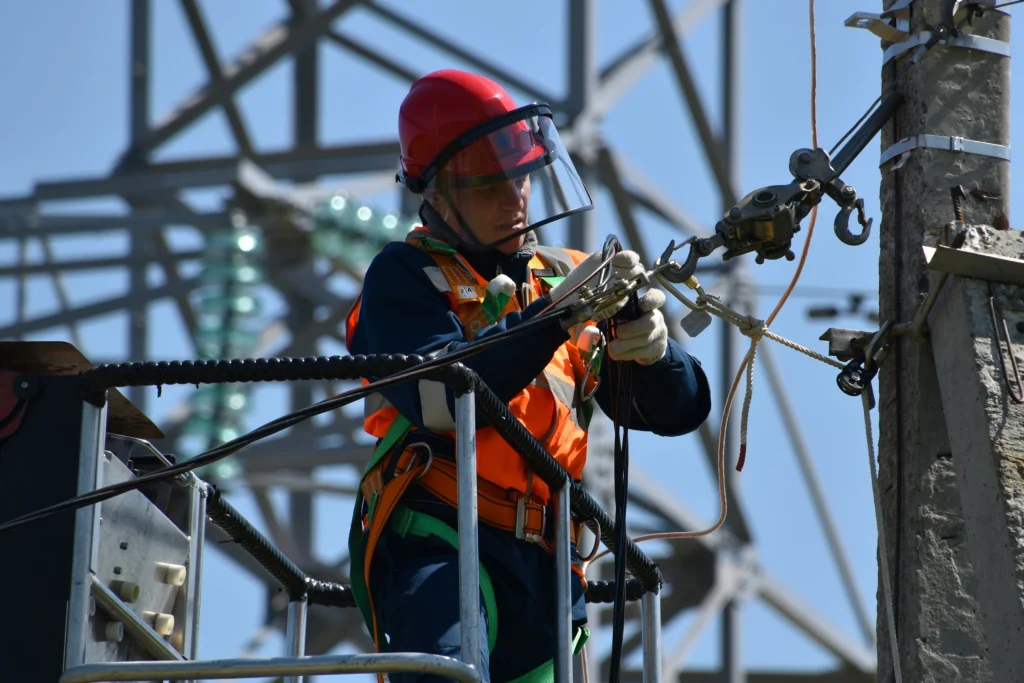
The International Energy Agency (IEA)’s review gives a snapshot of the energy sector in 2025. All major energy fuels and technologies grew in 2025, but at different paces. Yet overall, global energy demand growth slowed to 1.3%, reflecting weaker economic activity and faster efficiency gains. Cooling demand also eased, which took additional pressure off overall consumption.
The story of 2025 is acceleration in clean power and a deepening shift toward electrification. Solar PV met more than 25% of higher demand, and low-emissions sources together delivered nearly 60% of demand growth. Demand for electricity grew at well over twice the rate of energy demand, reinforcing the ‘Age of Electricity’. In the United States, data centers alone made up around 50% of total electricity demand growth.
Fossil fuels still expanded, but the signals are changing. Oil demand growth slowed further in 2025, rising by 0.65 million barrels per day (mb/d) versus 0.75 mb/d in 2024. Electric car sales climbed to around one quarter of new car sales in 2025, which helped curb road fuel growth. At the same time, growth in energy-related carbon dioxide (CO2) emissions around the world slowed further. For instance, China’s emissions fell due to renewables and India’s emissions were flat for the first time since the 1970s.
SOMA’s Perspective:
2025’s numbers confirm that electricity is scaling fast and getting cleaner, while the broader fossil engine still grows, but with less conviction. Marginal growth is increasingly being met by solar and other low-emissions power. For decision-makers in MENA: speed in clean power deployment is likely to matter more than perfect long-term forecasts.
The UAE’s OPEC Exit: Oil’s New Rules?
#NetZeroTransition
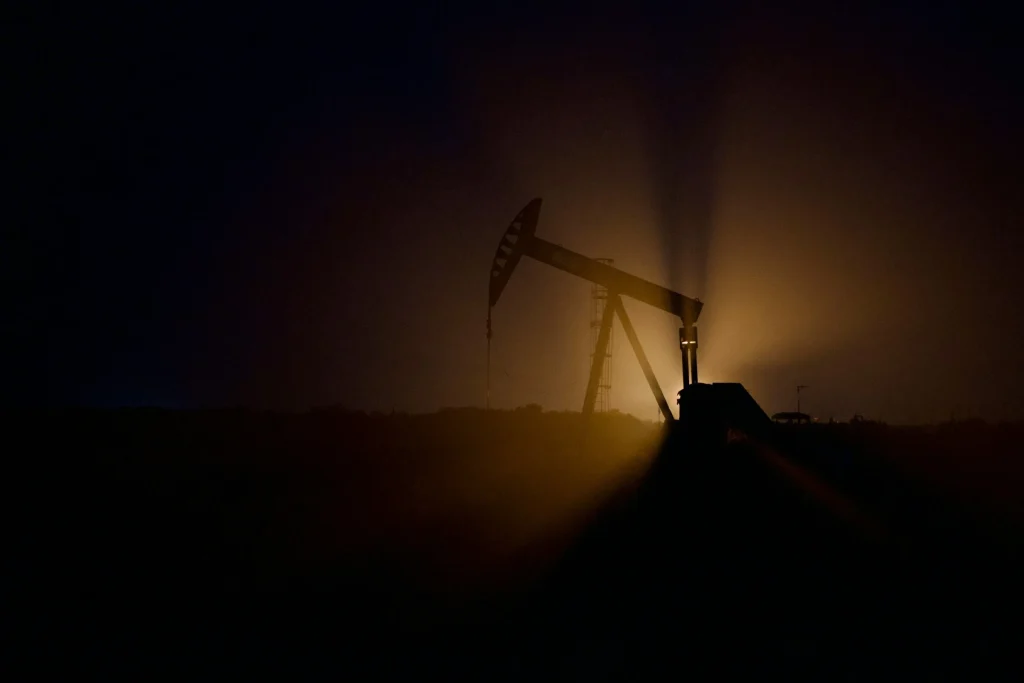
The United Arab Emirates announced its exit from the Organization of the Petroleum Exporting Countries (OPEC) group, ending nearly 60 years of membership. Founded in 1960, OPEC has sought to stabilize the oil market and influence prices by capping members’ production. The UAE is now the 4th country to leave OPEC+ in recent years, following Angola in 2024, Ecuador in 2020, and Qatar in 2019. The organization’s influence has weakened over the years, with its share now at 33% of the global market.
The UAE has long flagged dissatisfaction over its quota. Before the conflict, the UAE’s capacity already reached 4.8 million barrels per day (bpd), yet OPEC allowed only 3.2 million bpd of output. As the UAE’s production capacity increases, OPEC’s caps leads to lower utilization rates. In 2025, Emirati capacity utilization averaged 66% versus 77% for Saudi Arabia and 84% for Kuwait. After the Strait of Hormuz disruption ends, the UAE could add 1.6 million bpd of extra production.
This also represents a shift for sustainability. The move signals weakening supply coordination among producers and greater uncertainty about long-term oil demand. This underscores how unstable and contested the fossil fuel system has become, and points toward a more fragmented global oil market. This reflects the need to monetize hydrocarbon resources before the anticipated structural decline in global demand.
SOMA’s Perspective:
These are signals that oil is no longer considered the only reliable foundation for growth, and that the sentiment shift is already influencing choices. A full phase-out is unlikely in the near future, but the momentum is clearly moving toward gradual substitution as electrification accelerates and clean power scales. There is a shift taking place, and the UAE is adapting early in order to shape the transition rather than be priced by it.
From Global to Local: The UAE’s Resilience Rewire
#FoodandWaterSecurity
Disruptions linked to the Iran war have pushed supply chain resilience to the top of the UAE’s focus. Investors and companies are accommodating the sentiment toward local production. Dubai-based Homegrown Ventures closed a $22.8 million fund in April to back locally built consumer brands. Since late February, growing support for domestic goods has helped regional products gain share at the expense of imported brands.
The demand shift is showing up in the data and on menus. In March, more than a third of UAE residents surveyed said they “actively preferred” Emirati products over international lines. Some restaurant operators have increased locally sourced ingredients by 20% across venues since March. The scale suggests a structural change that investors could be missing out on.
The next challenge could likely be scaling exports, not just replacing imports. The UAE has long been open to imports, but those doors are often closed to Emirati products. The UAE’s 36 Comprehensive Economic Partnership Agreements (CEPAs) are meant to help domestic brands sell abroad while strengthening local supply. Turkey offers a regional benchmark for investing into trade relationships, with an initiative that rents retail shelf space abroad. Its branding program, TURQUALITY, has also supported 203 companies and 213 brands.
SOMA’s Perspective:
The recent conflict is turning “local” from a branding preference into a resilience strategy. For investors and policymakers, the prize is not just import substitution, but building the logistics, standards, and finance needed to make Emirati brands reliable. The UAE has long been a hub for global trade, but the current situation highlights the risks of relying solely on that role.
If you’d like to know more, contact us at:
Subscribe To Our Newsletter
Categories
- Events 4
- Intelligence Reports 2
- Newsletter 27
- Uncategorized 0
- Whitepapers 6