
Soma Mater Newsletter – 14.09.2026
Welcome to the SOMA MATER weekly newsletter.
At SOMA MATER, we deliver comprehensive research and advisory services focused on Food & Water Security and Net Zero Transition in the MENA Region. To help our clients navigate these topics and understand the regional narrative, we accelerate problem-solving and unlock new opportunities through Strategic Advisory and/or Projects.
This weekly newsletter highlights the top 3 stories from the past week in Food and Water Security and Net Zero transition, along with SOMA MATER’s analysis and perspective.
How could a new plastic-to-lubricant process reshape circular economy pathways for low-recyclability plastics?
How could the Makkah Pact help Pakistan overcome market access barriers to supply more of Saudi Arabia’s fruit concentrates market?
How could Egypt’s Delta irrigation system shift from diesel pumps to solar as lower Nile levels threaten station reliability?
Sustainably yours,
The SOMA team
From Chorine to Engine: Virginia Tech Turns PVC Waste Into Industrial Lubricants
#NetZeroTransition
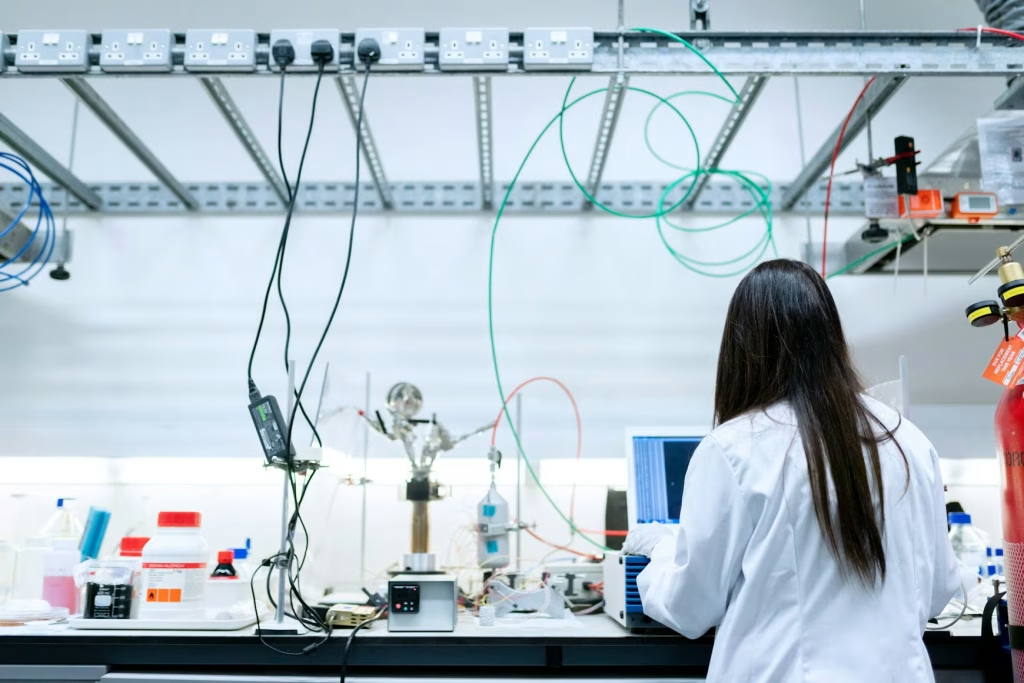
Researchers at Virginia Tech developed a method to transform plastic into an important ingredient in industrial lubricants. The discovery turns polyvinyl chloride (PVC) into polyalphaolefin, a key part of lubricants like engine oil. PVC plastics are difficult to recycle because of their high chlorine content (around 57%), and are often dumped in landfills. At the same time, there is a high environmental cost in producing industrial lubricants. The entire lifecycle emissions of a single liter of lubricant can reach up to 3.5 kg CO2e.
This work addresses these two issues at once. Researchers first dissolved the PVC in a solvent and add chemicals. This mixture is then heated to 158°F for three hours. The result is a thick oil that functions as a lubricant.
This arrives at a time when plastic recycling rates are widely cited but often incomparable across regions. The global average plastic recycling rate is reported at under 10%. Yet in the Nordic region, reported 2020 rates range from 4% to 32%, while in India it ranges from 8% to 70%. This variation is a result of differences in how recycling is defined and measured. There is a growing need to develop standardized and transparent quantification methods so that circularity can be more accurately tracked.
SOMA’s Perspective:
The real obstacle to circular plastics is not a lack of promising technologies, but a system that rewards disposal and measures success inconsistently. Discoveries like this one need to work reliably at commercial scale to make the desired impact. Alongside these solutions, countries need to develop a system of standardized material-flow reporting so that the impact can be measured across time.
Makkah Pact: Pakistan Eyes Saudi’s $448M Concentrates Market
#FoodandWaterSecurity
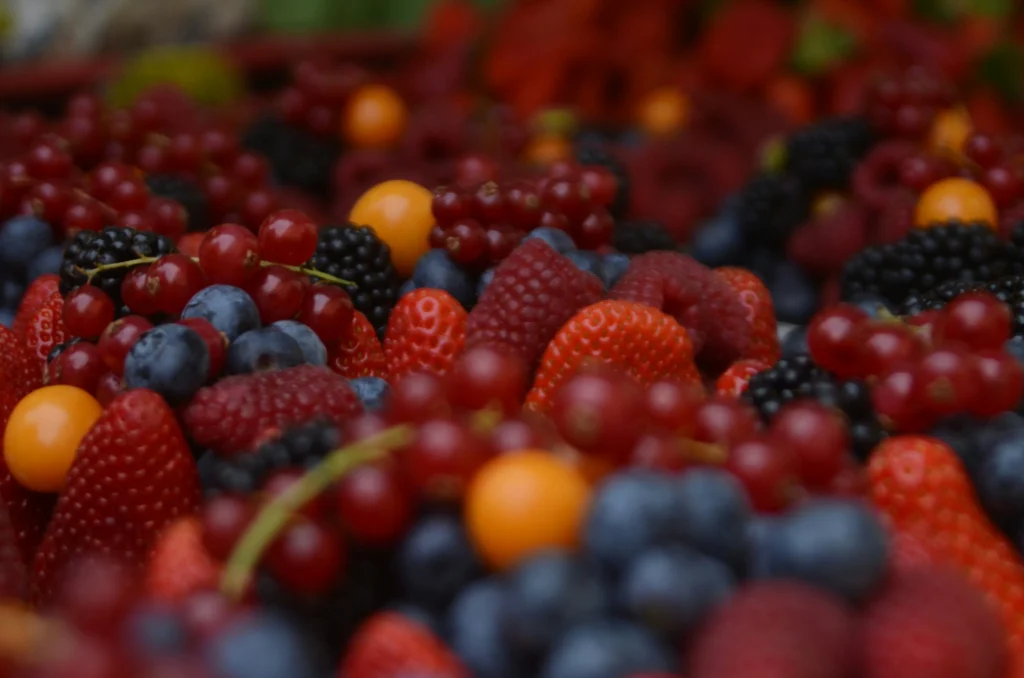
Saudi Arabia and Pakistan have recently signed a defense agreement described as the “Makkah Pact”. Pakistan’s value-added fruit industry says the deal can unlock trade if commercial frictions are removed. Pakistan can become a major supplier to the Saudi beverage manufacturers.
Discussed constraints by exporters included market access, high tariffs, and lack of direct B2B linkages in the Kingdom. There is also a limited recognition of international certifications in the Saudi market. Saudi Arabia imported about $448 million worth of fruit and vegetable concentrates globally in 2025. Yet Pakistan only captured $525,000 (less than 0.15%) of that market.
Pakistan already has the track record and buyer readiness. In 2025, Pakistani firms shipped 10,418 tons of fruit concentrates worth $28 million to other markets. Companies like Nestlé, PepsiCo, Coca-Cola, Unilever and Döhler qualify Pakistani processors. The industry asked for tariff treatment of 5 to 10% and government-to-government matchmaking, with approvals routed through the Saudi Food and Drug Authority. This came months after Saudi announced a total of $8 billion support package to Pakistan in order to help it cover a $3.5 billion UAE repayment in April.
SOMA’s Perspective:
The lines between commercial competitiveness and strategic alignment in the region are increasingly blurred. As U.S. policy feels less dependable in the MENA region, commercial ties are increasingly being used as a substitute for strategic guarantees. Saudi’s total of $8 billion support package for Pakistan announced in April 2026 shows how financial backing can be paired with expectations of reciprocal supply relationships.
Low Nile, High Stakes: GERD-Era Water Levels Could Sideline Delta Pump Stations
#FoodandWaterSecurity
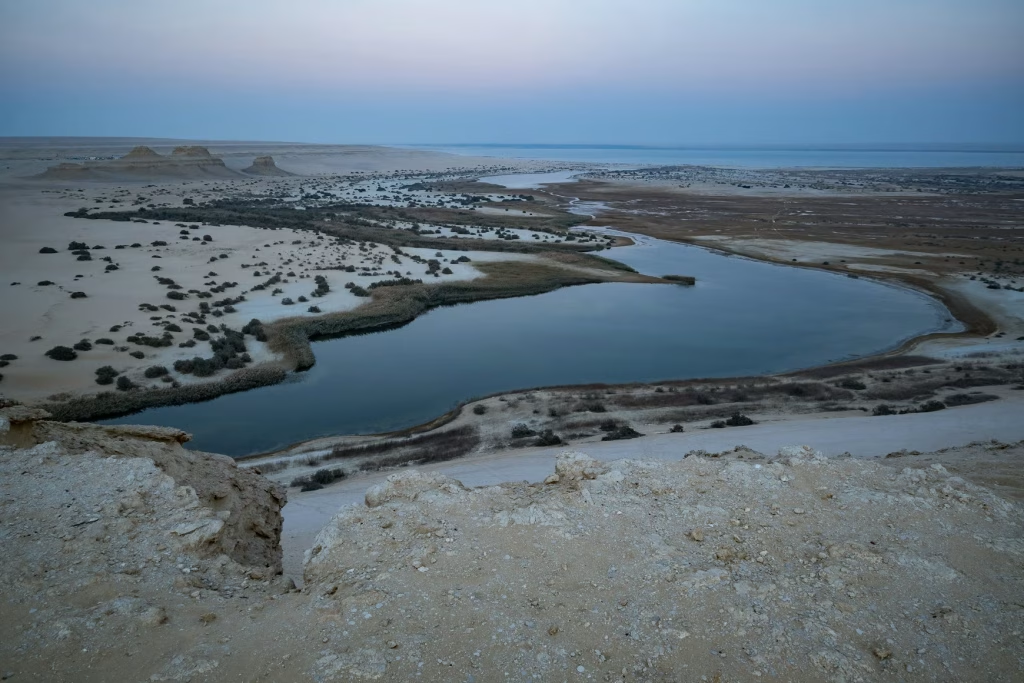
Egypt’s irrigation is being tested as water risks rise and its pump network ages. The Minister of Water Resources and Irrigation highlighted the importance of assessing Egypt’s water-lifting station network and demanded sustained performance throughout the summer. The work is being pushed through the Mechanical and Electrical Department, which manages 598 pumping stations with 2,250 pumping units and 3 major agricultural drainage-water treatment plants.
Out of around 600 irrigation pump stations in the Delta, 40% are very old and many run on fossil fuel. In off grid areas farmers often rely on diesel pumps as Nile levels decline in the two branches of the Nile, Damietta and Rosetta. These come at an environmental cost. Diesel-powered pumps in Egypt consume about 3.7 million tons of diesel per year, and release over 10 million tons of carbon emissions.
A 2021 study found that lower Nile levels linked to the Grand Ethiopian Renaissance Dam (GERD) could affect irrigation pump stations in Egypt’s Delta region. It modeled a 25 year horizon and compared solar energy vs. diesel-run stations. Under lower Nile levels after the GERD, 28 stations would be adversely affected and only 6 stations could continue operating safely. Solar-powered irrigation system had a higher upfront capital cost, but was the more economical choice in the long-term. They also cut greenhouse gases emissions by 32,469 (kg/year/4200 m2).
SOMA’s Perspective:
Egypt’s Delta expansion risks being constrained by the energy burden of moving water north as Nile levels become less reliable. If pumping remains tied to fuel-intensive stations and aging infrastructure, water availability for the New Delta will become a bigger operating-cost question. The watchpoint is whether planners treat canal and groundwater links as a full system of power, maintenance, and reliability.
If you’d like to know more, contact us at:
Subscribe To Our Newsletter
Categories
- Events 3
- Intelligence Reports 2
- Newsletter 24
- Uncategorized 0
- Whitepapers 6