
Soma Mater Newsletter – 13.04.2026
Welcome to the SOMA MATER weekly newsletter.
At SOMA MATER, we specialize in delivering comprehensive research and advisory services with a focus on Food & Water Security and Net Zero Transition in the MENA Region. In order to support our subscribing clients in navigating these topics and understanding the regional narrative, we produce monthly Food and Water Security and Net Zero Transition Intelligence Reports, along with our in-depth analysis and insights.
This weekly newsletter highlights the top 3 stories from the past week in Food and Water Security and Net Zero transition, along with SOMA MATER’s analysis and perspective.
How do food and water security concerns differ across countries, and who is most exposed when conflict-driven price shocks hit?
How is Saudi Arabia balancing land restoration progress with the challenges of delivering major infrastructure projects?
How is Egypt adapting to extreme weather and grid stress?
Sustainably yours,
The SOMA team
Who Feels the Squeeze? When Water Worries Go Global
#FoodandWaterSecurity
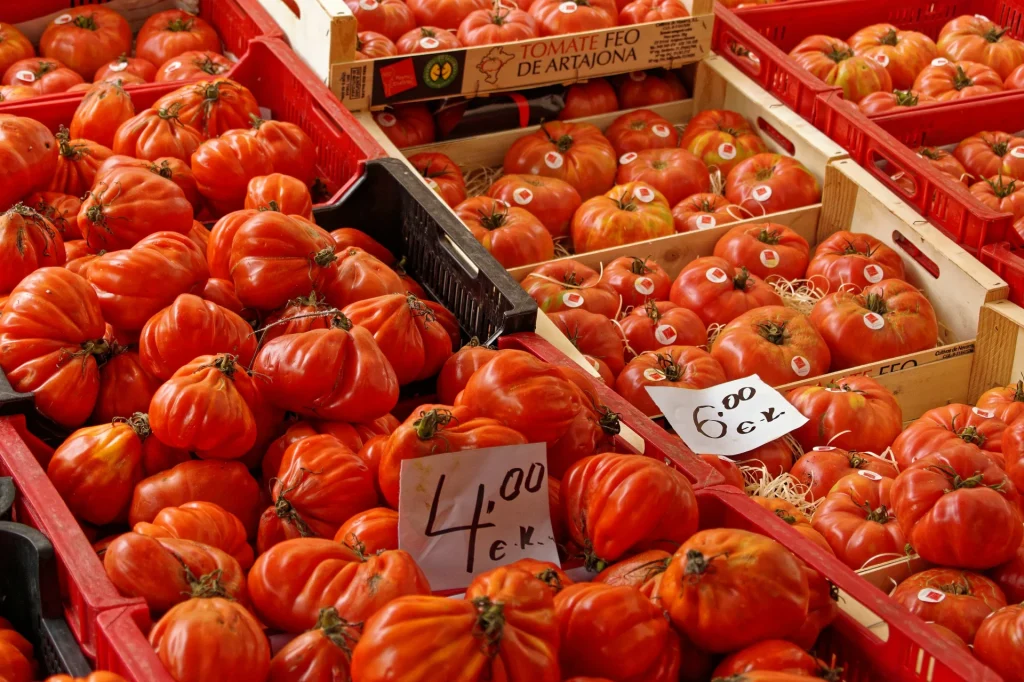
Concerns about food and water security are unevenly felt around the world. Worries are highest in emerging economies due to differences in climate, infrastructure gaps, and resource management. South Africa tops the list at 46%, reflecting repeated droughts and supply disruptions, while Mexico follows at 33% amid persistent urban water stress. In China (31%), India (28%), and the United States (28%), concern is present due to urbanization, industrial demand, and climate change.
Stronger infrastructure and supply chains offer a contrast. Germany reports 13% concern and South Korea 9%. Yet, higher-income markets are not immune, as the United Kingdom (19%) and Japan (25%) struggle with droughts and regional shortages. Water security is no longer just a localized issue, but becoming a global one.
The current Iran war demonstrates this. Energy shocks most affect buyers who can least afford higher food prices, while wealthier buyers can outbid poorer ones. Low-income households spend roughly 52% of income on food, so a 10% price increase translates into a 5% income cut. The same rise costs only 1% for high-income households. These countries are exposed to a dollar double-whammy, where commodity prices rise in U.S. dollars and crises strengthen the dollar at the same time. Although food markets are global, the ability to pay for food is still local.
SOMA’s Perspective:
Food and water stress is never only about global markets. Conflict and currency shocks amplify the pressure, but the real test is still local, where households feel the strain first. The countries that are most prepared to use their local economic levers well will be better placed to absorb the disruption and protect resilience.
Green Gains, Big Builds: Saudi’s Restoration Reality
#NetZeroTransition
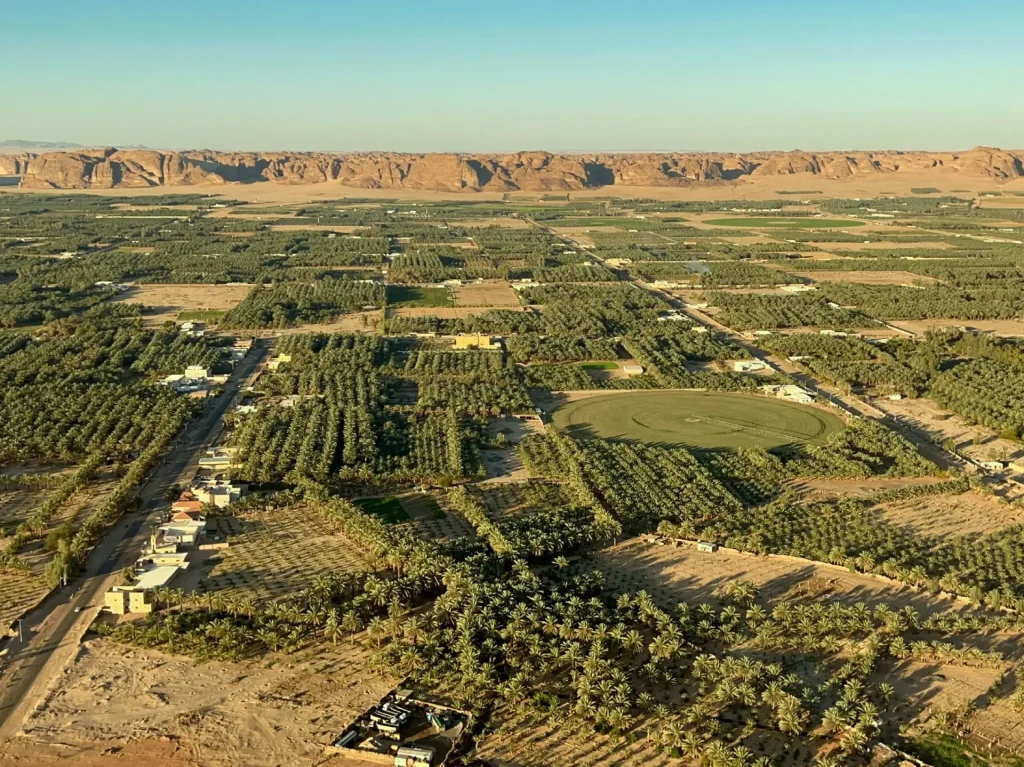
Saudi Arabia restored its first million hectares of degraded land, with over 159 million trees planted as part of the Saudi Green Initiative. The program’s ambition is to plant 10 billion trees, equal to rehabilitating 40 million hectares. Progress started at just 18,000 hectares at the outset to now to the one-million-hectare mark. It intends to carry through to 2.5 million hectares by 2030.
The initiative is already having tangible results. This includes a cumulative carbon sequestration of over 2.2 million tons of CO₂ and a nearly 50% reduction in dust storms linked to improved air quality. Officials also the National Cloud Seeding Program with boosting rainfall and contributing to a 2025 dust-storm decline. Economically, the push has created more than 68,000 jobs and is expected to spur sectors like ecotourism. Globally, land restoration is estimated to yield US$7 to US$30 in returns for every dollar invested.
At the same time, Saudi Arabia’s broader green and water agenda is shifting priorities. NEOM has ended a multibillion-dollar contract to build three dams and an artificial freshwater lake, part of a $4.7 billion infrastructure package. The termination for convenience took effect while the works were already about 30% complete. This decision underscores the complexities of delivering large-scale water engineering projects that depend on seasonal rainfall and runoff in challenging terrain.
SOMA’s Perspective:
This reflects a wider shift in priorities that is reshaping how large-scale projects will be delivered. If environmental projects are to move forward, they will need numbers, evidence, and a strong rationale to support them. A clear economic baseline behind such projects will matter just as much as the environmental case.
When the Sky Hits the Switch: Egypt’s Weather Stress Test
#FoodandWaterSecurity #NetZeroTransition

Egypt braced for severe weather, expecting thunderstorms, hail, and winds. The electricity network was placed on high alert as the Ministry of Electricity declared a state of emergency following warnings from the Egyptian Meteorological Authority. Schools and universities suspended in-person classes midweek to limit public risk during peak instability.
This unfolds against a wider climate shift that will shrink the number of outdoor days. MIT researchers define this term as ‘days that are neither too hot nor too cold for normal activities’. As heat extremes intensify, countries around the world are likely to face longer periods where daily routines must adapt to weather and power constraints.
Egypt also announced an energy conservation package to ease pressure on the grid and protect price stability. It includes a partially remote work mandate for most government institutions, a pause to diesel-intensive state infrastructure projects for at least two months, and cut government vehicle fuel allocations by 30%. The fits into a wider context: research on Egypt and the wider Arab world increasingly poses water scarcity as a governance stress test that can amplify fragility when institutions are under strain.
SOMA’s Perspective:
Water scarcity is increasingly becoming a rising tide of conflict. The Global Commission on the Economics of Water (2023) reported more than 202 water-related conflicts between 2020 and 2022. This is a reminder that water policy, solutions, and circularity need a much stronger place on the global agenda and in the decisions local policymakers make.
SOMA MATER is writing Intelligence Reports on the topics of Food and Water Security and Net Zero Transition. If you’d like to know more, contact us through the link below:
Subscribe To Our Newsletter
Categories
- Events 4
- Intelligence Reports 2
- Newsletter 27
- Uncategorized 0
- Whitepapers 6