Soma Mater Newsletter – 11.05.2026
Welcome to the SOMA MATER weekly newsletter.
At SOMA MATER, we deliver comprehensive research and advisory services focused on Food & Water Security and Net Zero Transition in the MENA Region. To help our clients navigate these topics and understand the regional narrative, we accelerate problem-solving and unlock new opportunities through Strategic Advisory and/or Projects.
This weekly newsletter highlights the top 3 stories from the past week in Food and Water Security and Net Zero transition, along with SOMA MATER’s analysis and perspective.
What are possible solutions for Middle Eastern oil and gas producers to reduce reliance on the Strait of Hormuz?
What are recent achievements in the Saudi ruminant sector?
Which countries in the MENA region are seeing water security successes, and which are facing water governance gaps?
Sustainably yours,
The SOMA team
Chokepoint Checkmate: Oil’s New Escape Routes
#NetZeroTransition
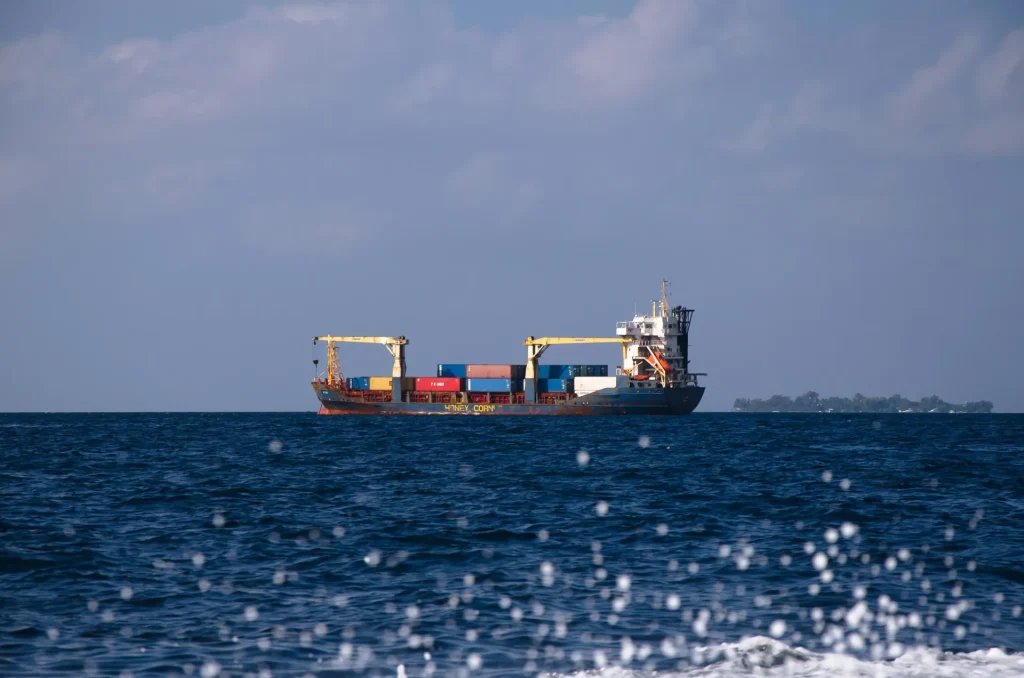
Middle Eastern oil and gas producers are seeking alternative routes for exports due to the recent conflict. The double-blockade has jolted energy prices and exposed the fragility of global chokepoints. Countries have been warned to diversify their energy supply routes for years before the current crisis. The $110 trillion global economy now feels the risk of disruption across a 50-kilometer strait.
Building alternative export routes takes major investment and time. Yet, the conflict is shifting cost-benefit analysis. Countries are seeing the scale of investment that alternative infrastructure requires as more justified. Some flows can already avoid the Strait through pipelines that bypass the waterway, like the East-West pipeline and the UAE’s Habshan–Fujairah (or ADCOP) pipeline. Yet even these routes are limited by capacity.
The numbers are stark. Some pipelines offer an estimated 3.5 – 5.5 million barrels per day (mb/d) of available capacity. This is still below the roughly 20 million barrels of oil and petroleum products that passed the Strait daily. Countries like the Philippines and Bangladesh take the hardest hit: the former imports over 90% of its oil from the Middle East, while the latter is in the middle of rice season. Some fertilizer plants in Bangladesh already shut down. Historically, energy shocks have led to food crises, political instability, and even humanitarian emergencies.
SOMA’s Perspective:
The Strait of Hormuz has shifted to an operational constraint that producers and importers must price in. The world will have to move from a single choke point to a more extensive web of partial workarounds. It will matter how quickly these countries can prevent spillovers from turning energy shocks into serious food and industrial disruptions.
Flock to the Future: Saudi’s Sheep Boom
#FoodandWaterSecurity
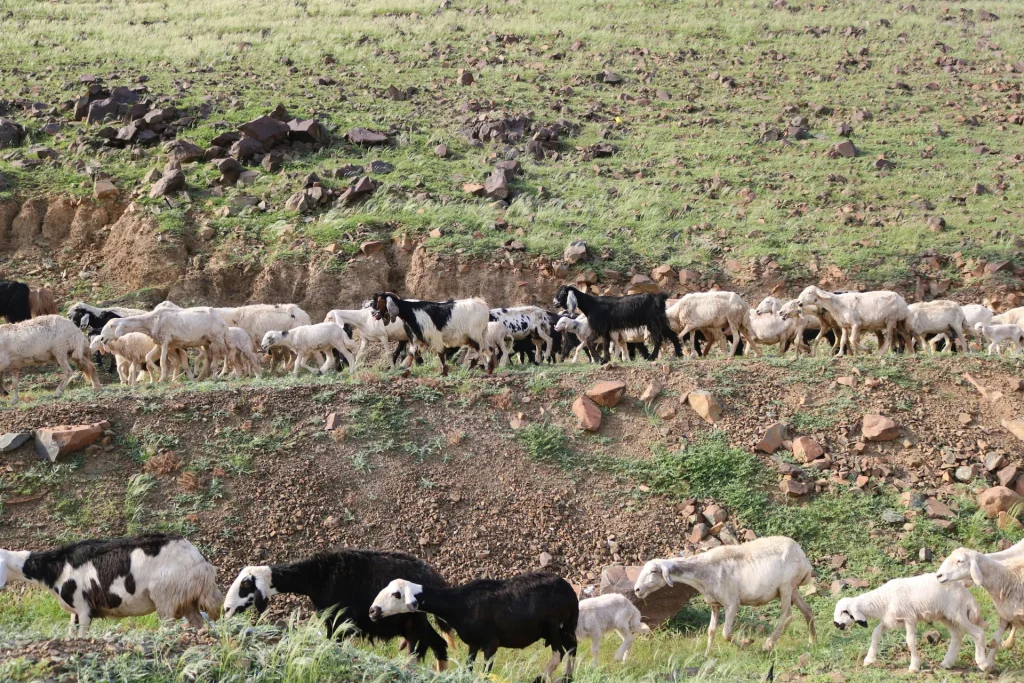
Saudi Arabia’s ruminant sector supports nearly 150,000 rural families. It is also central to the country’s food culture. The national flock exceeds 29 million head, yet many sheep and goat farms struggle with high feed costs, limited access to animal health, and low reproductive efficiency.
The Ministry of Environment, Water and Agriculture (MEWA), and the Food and Agriculture Organization (FAO) announced the publication of a scientific study on improvements in small ruminant productivity. The study tests a Farm Service Delivery Model (FSDM) that places trained technicians inside farming communities. The pilot covered 47 farms over a 6–12 month period in Arar, Hafar al-Batin, and Jazan.
Results were positive across participating farms. Flock size increased by 28% and lambing rates doubled from 0.4 to 0.8. Twin births tripled while mortality fell by two-thirds (from 24% to 8%). Milk production in sheep and goats more than doubled and the benefit–cost ratio of 3.02 signaled strong returns. A national scale-up could generate up to $4.8 billion in added meat and dairy over 5 years and cut imports by nearly 50%.
SOMA’s Perspective:
The pilot appears to have cleared a credible economic hurdle: roughly SAR 3.02 returned for every SAR 1 invested. The question is whether the state can replicate these ratios at scale, and what that would allow it to fund. The selection of specifically locally trained technicians embedded in the communities may be the key difference between a model that scales and one that fails.
From Yanbu to the Nile: Record Efficiency Meets Governance Gaps
#FoodandWaterSecurity
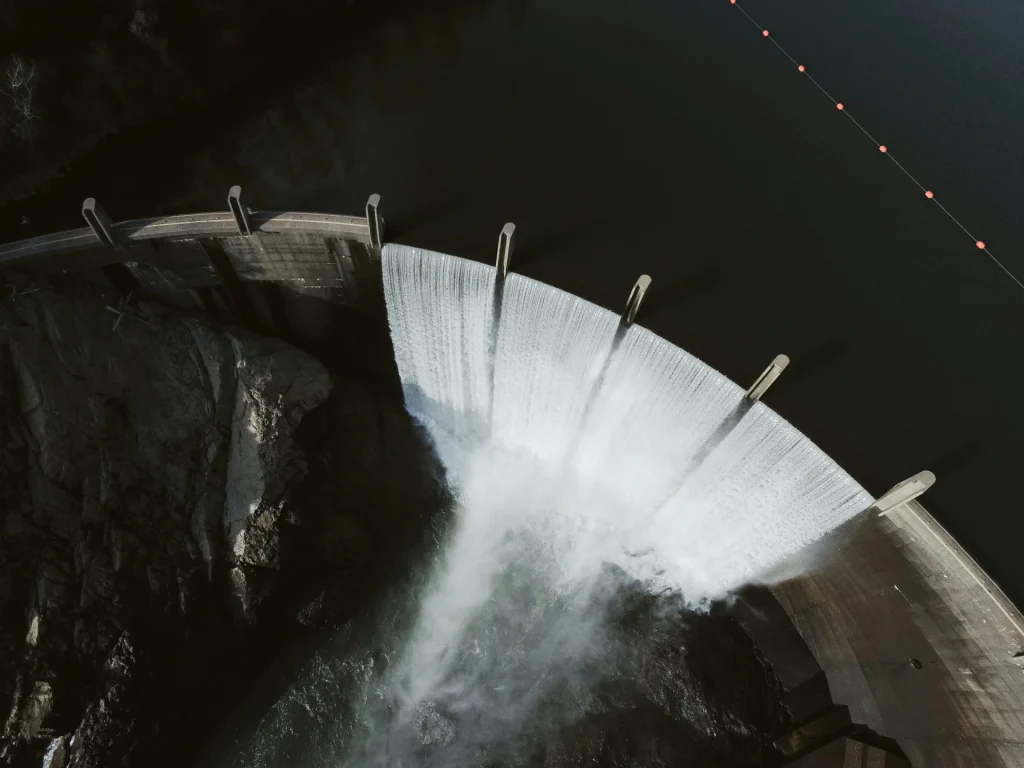
The Saudi Water Authority (SWA) has set a new benchmark in desalination. A 200,000 cubic metres per day reverse osmosis desalination plant in Yanbu recorded just 1.55 kilowatt-hours per cubic metre of energy use. That result earned a place in the Guinness World Records. This has also beat the previous benchmark of 1.7 kWh/m³ set by the Shuaibah 5 plant (Saudi Arabia).
This demonstrates the region’s advantage in the desalination sector. For comparison, conventional desalination typically needs 4 to 5 kWh/m³. The gains come from advanced reverse osmosis membranes and energy recovery systems. Improved pre-treatment and partial solar integration also help push consumption down. The work was delivered with a group of stakeholders, including the Saudi Water Innovation Centre.
In other countries, water security is being tested. The dispute over the Grand Ethiopian Renaissance Dam (GERD) shows a structural failure in international water governance. Overlapping global, regional, and hybrid legal instruments still lack enforceable operational rules. Talks have not produced binding operating rules and no shared arbitration pathway has taken hold. Egypt is pushing for a drought floor of 39 billion cubic meters (BCM) while Ethiopia cites lower thresholds near 35 BCM to keep flexibility. The conflict continues to lack “terminal dispute resolution capacity.”
SOMA’s Perspective:
Global forums that address water sovereignty are failing to establish enforceable operating rules. The GERD dispute is a preview of what could come next. Sovereignty claims could extend beyond rivers to include aquifers and cross-border watersheds. In this case, measurement, verification, and compliance in the region would be challenging. SOMA sees the need to opportunity to help countries strengthen water sovereignty in order to alleviate the pressure.
If you’d like to know more, contact us at:
Subscribe To Our Newsletter
Categories
- Events 4
- Intelligence Reports 2
- Newsletter 27
- Uncategorized 0
- Whitepapers 6