Soma Mater Newsletter – 06.04.2026
Welcome to the SOMA MATER weekly newsletter.
At SOMA MATER, we deliver comprehensive research and advisory services focused on Food & Water Security and Net Zero Transition in the MENA Region. To help our clients navigate these topics and understand the regional narrative, we accelerate problem-solving and unlock new opportunities through Strategic Advisory and/or Projects.
This weekly newsletter highlights the top 3 stories from the past week in Food and Water Security and Net Zero transition, along with SOMA MATER’s analysis and perspective.
A Food System on Edge: From Conflict to Crop Calendars
#NetZeroTransition #FoodandWaterSecurity
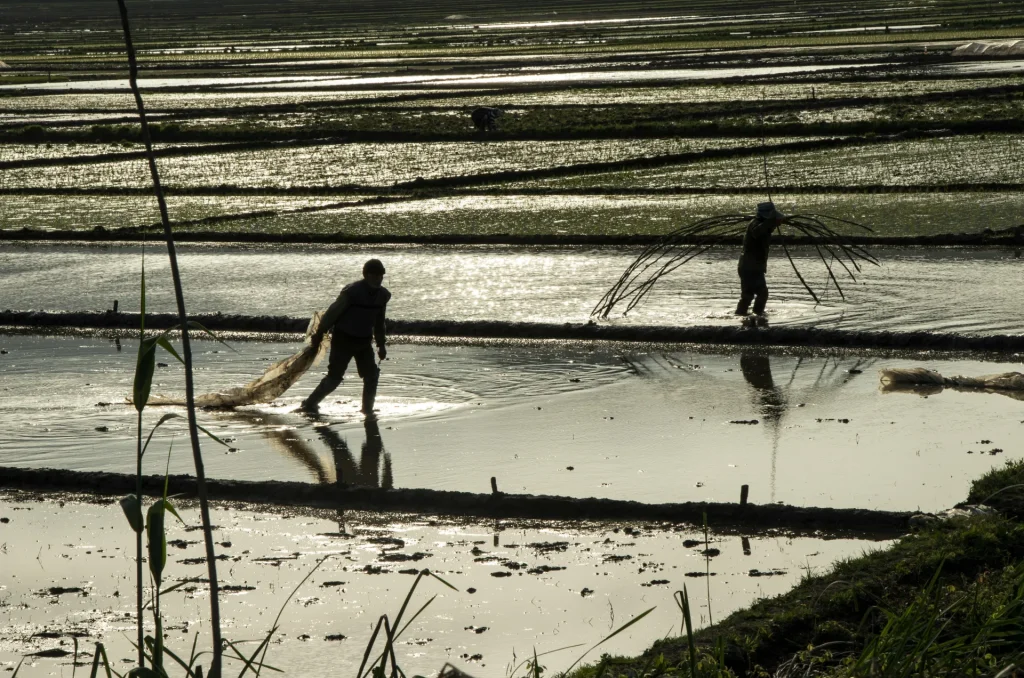
Conversation has been focused on the current state of the global food system due to the Middle Eastern conflict. Analysts argue that the system is structurally fragile, the same way the financial markets were exposed before the 2008 crash. If disruption spreads, impacts are likely to be uneven, determined by crop calendars, import dependence, and access to key inputs such as fertilizer.
Pressure points are already visible across markets. Countries considered most vulnerable include Sri Lanka and Bangladesh due to their critical rice harvests and planting seasons, India due to fertilizer constraints, alongside Egypt and Sudan, where reliance on wheat imports and food insecurity were existent prior to the conflict. Somalia, Kenya, Tanzania, and Mozambique face risk due to fertilizer import dependence, while Brazil could see production effects with potential spillovers into global markets.
The impacts also reach energy, trade routes, and household purchasing power. In India, exporters warn of impacts on agriculture and basmati shipments to Middle Eastern markets, while in Oman traders benefit from rerouted supply flows. In Europe, higher fuel costs prompted fiscal measures in countries like Spain and Portugal, and in North Africa, Morocco and Egypt face both disruption risks and potential market opportunities in fertilizer trade. As a result of the conflict, the number of people with acute food insecurity could increase by 45 million people to as many as 363 million in 2026.
SOMA’s Perspective:
This conflict is acting as a stress test for fragile food systems with significant dependencies. The list of most exposed countries means disruptions can translate quickly into political and household pressure. Food security risk is being re-priced through geopolitics and logistics, making resilience planning and diversified supply access a near-term priority, ever since the COVID-19 pandemic.
Saudi’s Renewables Rush: Big Money, Big Gap
#NetZeroTransition
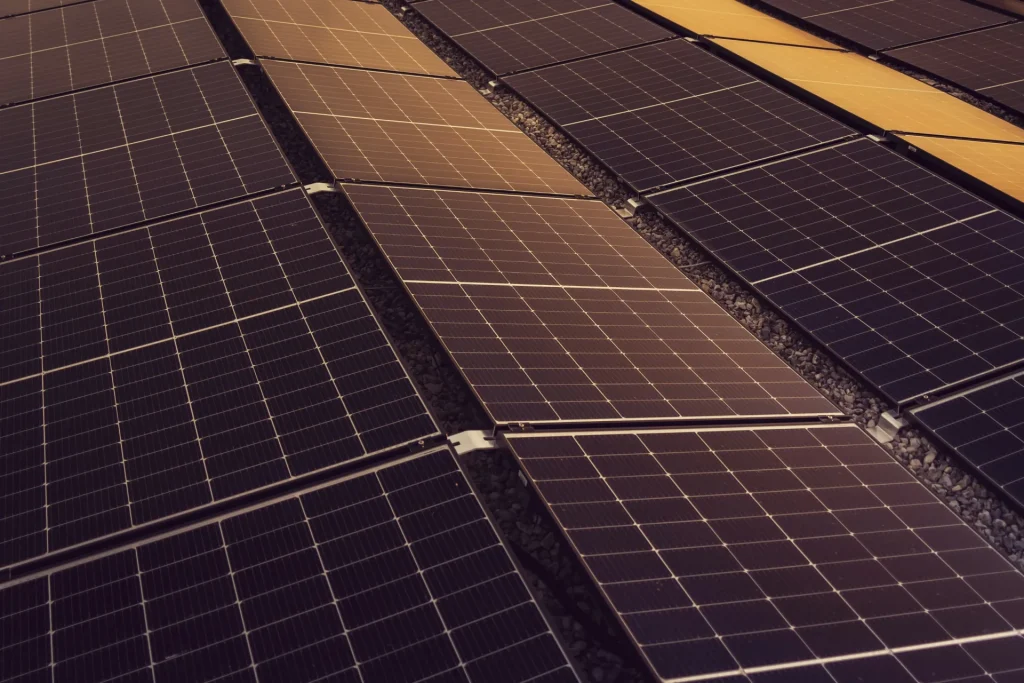
Saudi Arabia entered the world’s top 10 renewable energy investors for the first time in 2025. The Kingdom has a target of 50% renewables in its energy mix. In 2025, Saudi’s investment in renewable projects reached around $34 billion, a nearly 70% year-on-year jump, and has been rising by up to 35% annually over the past 5 years.
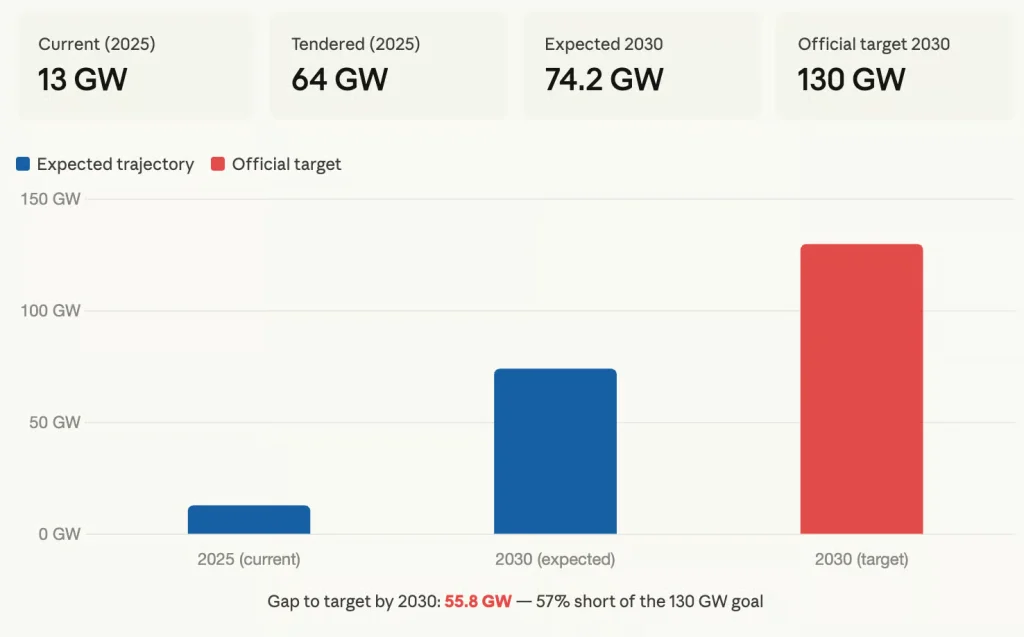
Even with this momentum, the gap between Saudi Arabia and global leaders is wide. China and the United States dominate transition spending at roughly $800 billion and $378 billion, respectively. This makes up more than 50% of the nearly $2.3 trillion invested globally. Projections suggest Saudi Arabia may fall short of its renewable energy capacity target, given that capacity stood at around 13 GW by 2025. Realistically, the Kingdom’s total capacity is expected to reach 74.2GW by 2030 — 55.8GW short of the 130 GW renewable energy by 2030 target (Figure 1).
Yet, capital continues to flow into the sector. This week, Japan’s Sumitomo Mitsui Banking Corporation (SMBC) worked on a roughly $1 billion loan to support additional renewable capacity in the Kingdom, likely through the Saudi Power Procurement Company (SPPC). Across the region, renewables are becoming economically dominant in power and fiscally strategic, even as hydrocarbon economies continue to optimize around oil and gas.
SOMA’s Perspective:
The renewables transition in the MENA region is real, especially in countries like Saudi Arabia. Yet it is unlikely to follow the headline-grabbing narrative that fully displaces oil at the core of the growth model. Instead, it will increasingly be seen as fiscally strategic. Countries in the region can no longer afford not to diversify. Without it, the region forfeits future export value, risking $80 billion in lost export revenues by 2035.
Sources:
Sinai’s Rainbank: A 2 Million Cubic Metre Catch
#FoodandWaterSecurity
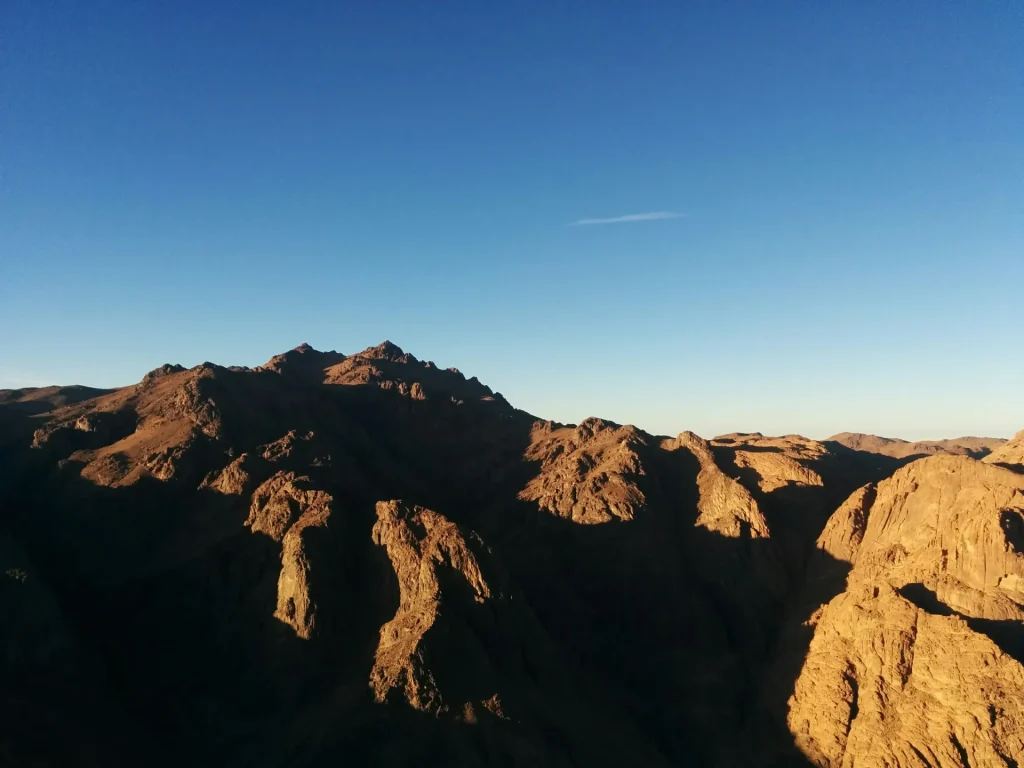
Egypt has collected approximately 2 million cubic metres of rainwater after recent rainfall in Sinai. The water was collected in flood-protection dams and will be used to recharge groundwater and support local communities. The same rainfall brought flash floods across several valleys, but existing protection systems safely channelled floodwaters, helping to avoid damage.
Egypt has been developing its flood-control infrastructure in Sinai and along the Red Sea, with dams, lakes, and diversion channels. These systems reduce flood risk while allowing stored rainfall to replenish shallow aquifers. These investments are increasingly strategic along areas like the northern Red Sea coast, where flash floods are recurring and destructive hazards.
Research on the topic looks at geospatial layers like slope, rainfall, drainage density, and proximity to streams and roads. These studies help identify flash-flood hotspots and the most effective dam sites. Wadi Araba in Egypt shows that short winter storms can overwhelm infiltration, producing rapid runoff that threatens settlements and transport corridors. Models have mapped risk from high (0.53 km²) to moderate (2,354.8 km²) and low (1,671.34 km²), with the highest risk concentrations in the southern Galala Plateau and several central zones suited for dam construction.
SOMA’s Perspective:
This is a reminder that in hyper-arid systems like Sinai (similar to the UAE’s), water security is increasingly defined by our ability to capture high-intensity rainfall. The evidence base is maturing, showing that well-sited dams and managed recharge can convert flash-flood risk into a usable groundwater asset. For countries facing rising water scarcity, letting episodic water pass unused is no longer a viable choice.
SOMA MATER is writing Intelligence Reports on the topics of Food and Water Security and Net Zero Transition. If you’d like to know more, contact us through the link below:
Subscribe To Our Newsletter
Categories
- Events 4
- Intelligence Reports 2
- Newsletter 27
- Uncategorized 0
- Whitepapers 6