
Soma Mater Newsletter – 04.05.2026
Welcome to the SOMA MATER weekly newsletter.
At SOMA MATER, we deliver comprehensive research and advisory services focused on Food & Water Security and Net Zero Transition in the MENA Region. To help our clients navigate these topics and understand the regional narrative, we accelerate problem-solving and unlock new opportunities through Strategic Advisory and/or Projects.
This weekly newsletter highlights the top 3 stories from the past week in Food and Water Security and Net Zero transition, along with SOMA MATER’s analysis and perspective.
How have the top 10 most sustainable US companies performed in 2026?
How have trade disruptions and resource constraints accelerated the UAE’s shift toward localized food production?
How are countries in the MENA region strengthening supply-chain resilience in conflict-driven conditions?
Sustainably yours,
The SOMA team
Sustainability’s New Job: Risk Manager
#NetZeroTransition
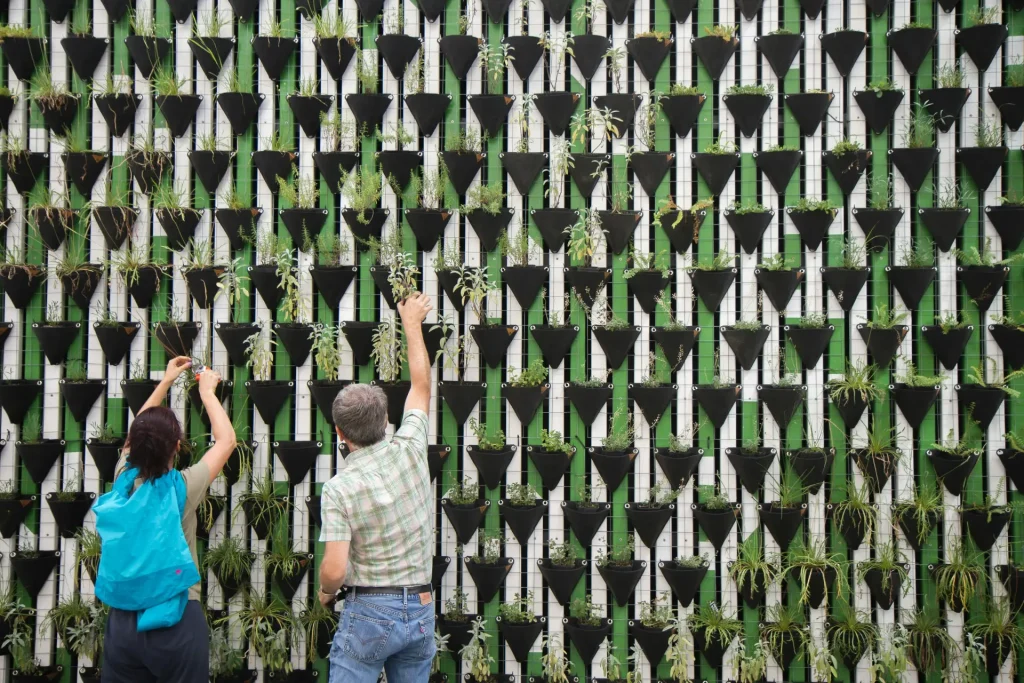
Corporate sustainability is facing challenging political and economic conditions. There has been sustainability pushback from President Donald Trump, alongside supply chain shocks like tariffs and the Iran war. Leadership attention is also being re-directed towards the rapid adoption of artificial intelligence.
The numbers tell the story: $34 billion in clean energy projects were canceled or downsized in 2025. Reporting has also declined, with 17% fewer Russell 3000 companies issuing sustainability reports in 2025. Yet many large corporations are doubling down to build long-term resilience, leaning on circular practices to reduce dependence on new resources. For these firms, sustainability is increasingly treated as risk management and a competitive buffer.
A new top 10 most sustainable US companies in 2026 ranking reinforces that view, after an analysis of 1,000 large public U.S. companies. The companies delivered an average 27.7% return in 2025 versus the S&P 500’s 17.9%. By April 8, they were up 5.99% while the index was down nearly 1%. Because procuring clean energy is challenging and energy demand is exceeding supply today, companies in the nuclear and clean energy sectors are positioned to benefit the most from this demand.
SOMA’s Perspective:
We will begin to gradually see the difference between companies that treated ESG as messaging and those that treated it as operational risk management. Resilience is becoming a measurable competitive edge. With constraints like energy demand intensifying, the next set of winners will be defined by access to reliable clean power and circular inputs.
Trade Shocks In, Local Crops Up: UAE’s Food Pivot
#FoodandWaterSecurity
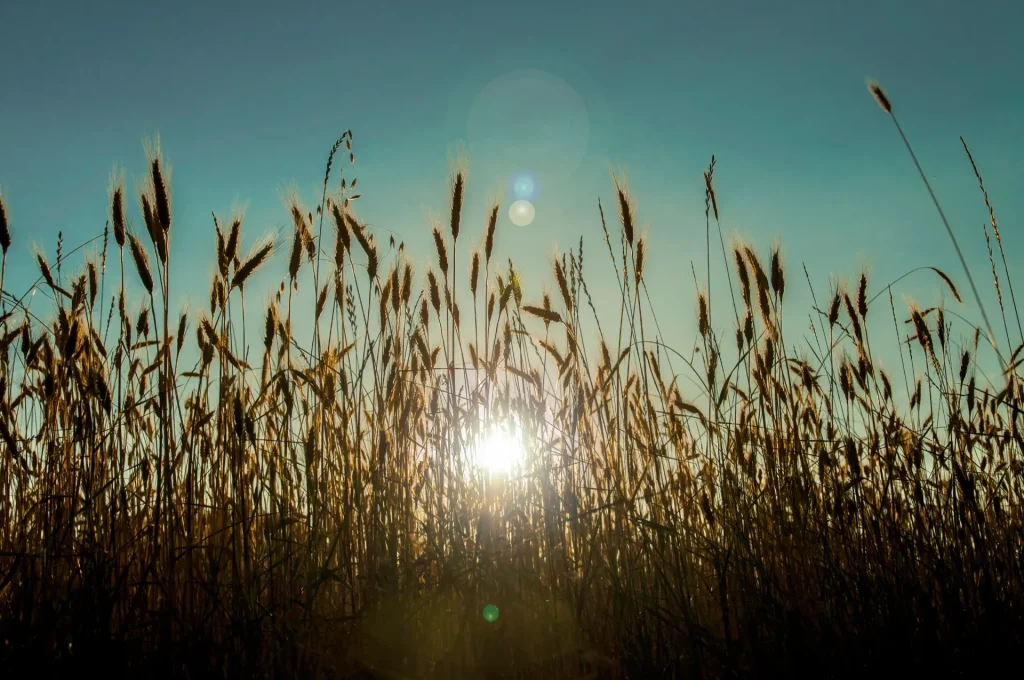
Across the UAE, local food production is drawing attention. UAE-based aquaculture startup Ocean Harvest plans to pilot local seafood production. This reflects a shift to an asset-light model: upgrading an existing land-based aquaculture facility in Abu Dhabi rather than building a new site. The company also shifted species plans from Atlantic salmon to yellowtail kingfish to accommodate local demand.
Current trade disruptions as a result of the Middle Eastern conflict are pushing Gulf countries to localize food production. Part of this broader shift is also a move toward capital efficiency as investors become more cautious. Specially considering that Gulf aquaculture remains technically complex and capital intensive due to energy demands and the need to manage water quality in high temperatures.
This expands beyond seafood. In Sharjah, a new wheat farm is planned to mirror the existing project in Mleiha. It plans to support double production and expand access to global markets. The Seven Spikes wheat farm is now in its fourth season, with the wheat seed distribution initiative under the Department of Agriculture and Livestock having benefitted 580 farmers. As with most agricultural projects in the region, water costs remain a major concern. Yet, upcoming support will include a distillation project in Kalba and Al Madina Lake and initiatives to lower electricity costs.
SOMA’s Perspective:
Local food production is becoming a recognizable hedge against the swings of trade routes and input prices. The “Asset-light” aquaculture and expanded wheat projects point to a new phase of food security: do more with existing infrastructure and prove unit economics. Energy and water will decide which domestic production models become durable.
Supply Chains Under Fire: MENA’s New Risk Plan
#FoodandWaterSecurity #NetZeroTransition
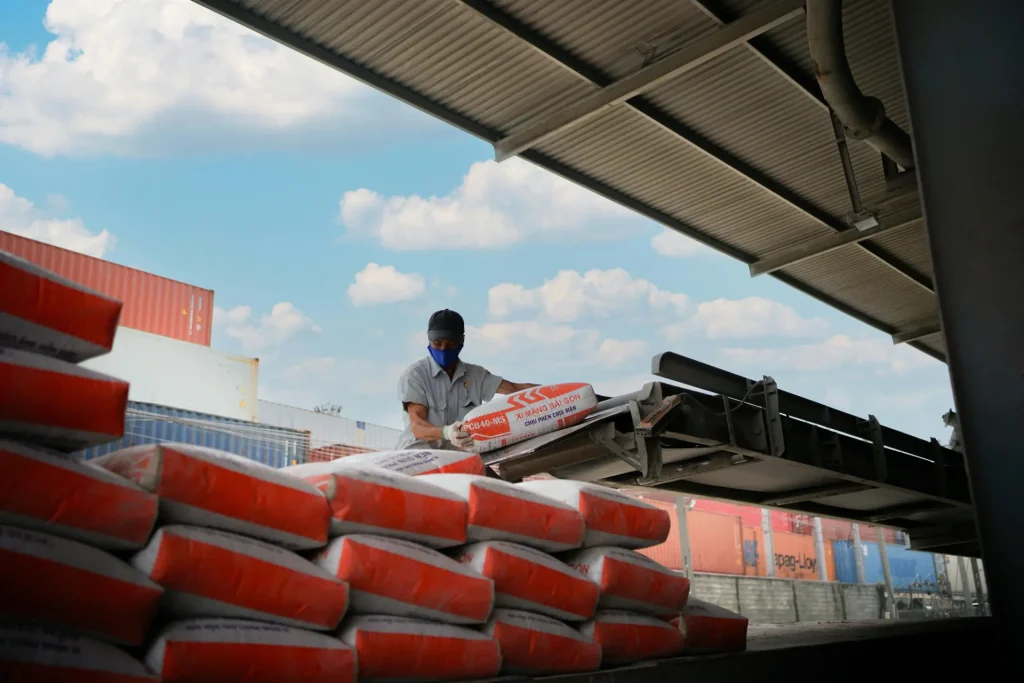
Resilient supply chains are becoming increasingly important in light of the regional conflict. In the UAE, Her Excellency Amna bint Abdullah Al Dahak, Minister of Climate Change and Environment visited Silal Group’s facilities. The visit highlighted companies like Silal as a strategic partner in strengthening national food security, while also emphasizing the importance of strategic reserves.
Silal is expanding its supply networks through the ‘Ensure Essentials’ initiative. This is a program designed to boost flexibility of delivering key food products across the country. The initiative now spans more than 350 products. In parallel, the UAE also launched a 1 billion dirham ‘National Industrial Resilience Fund’ to strengthen domestic manufacturing and reinforce supply chain capacity. This is alongside broader efforts to fully localize more than 5,000 critical products.
This urgency is shaping wider industry and food systems. Egypt finds itself at a turning point as both a natural gas producer and a big player in the fertilizer trade. The country is responsible for more than 4% of fertilizer output, while the Strait blockade has trapped roughly 4 million tons of gas-dependent products already. The test is whether Egypt can seize export windfalls created by global shortages without starving its own market and pushing food prices higher. The country has $1.6 billion in export potential, while need a steady supply to local plants.
SOMA’s Perspective:
In this conflict-driven reset, the companies that can sustain continuity will be rewarded, not just the ones that have capability. The examples of both the UAE and Egypt show that export windfalls mean little if domestic stability fractures under higher food prices. This leads countries to a careful balancing act: decide where gas should go while keeping staples affordable at home.
If you’d like to know more, contact us through:
Subscribe To Our Newsletter
Categories
- Events 4
- Intelligence Reports 2
- Newsletter 27
- Uncategorized 0
- Whitepapers 6