Soma Mater Newsletter – 20.10.2026
Welcome to the SOMA MATER weekly newsletter.
At SOMA MATER, we deliver comprehensive research and advisory services focused on Food & Water Security and Net Zero Transition in the MENA Region. To help our clients navigate these topics and understand the regional narrative, we accelerate problem-solving and unlock new opportunities through Strategic Advisory and/or Projects.
This weekly newsletter highlights the top 3 stories from the past week in Food and Water Security and Net Zero transition, along with SOMA MATER’s analysis and perspective.
How can ADAFSA coordinate its new 13-program agriculture strategy to strengthen food security while reducing farm water use?
How would Qitaf City connect farms, agtech and Etihad Rail to strengthen Abu Dhabi’s food security?
What are the recent developments in Egypt’s blue economy and wider water sector
Sustainably yours,
The SOMA team
From Targets To Delivery: Abu Dhabi’s 13-Program Agriculture Strategy
#FoodandWaterSecurity
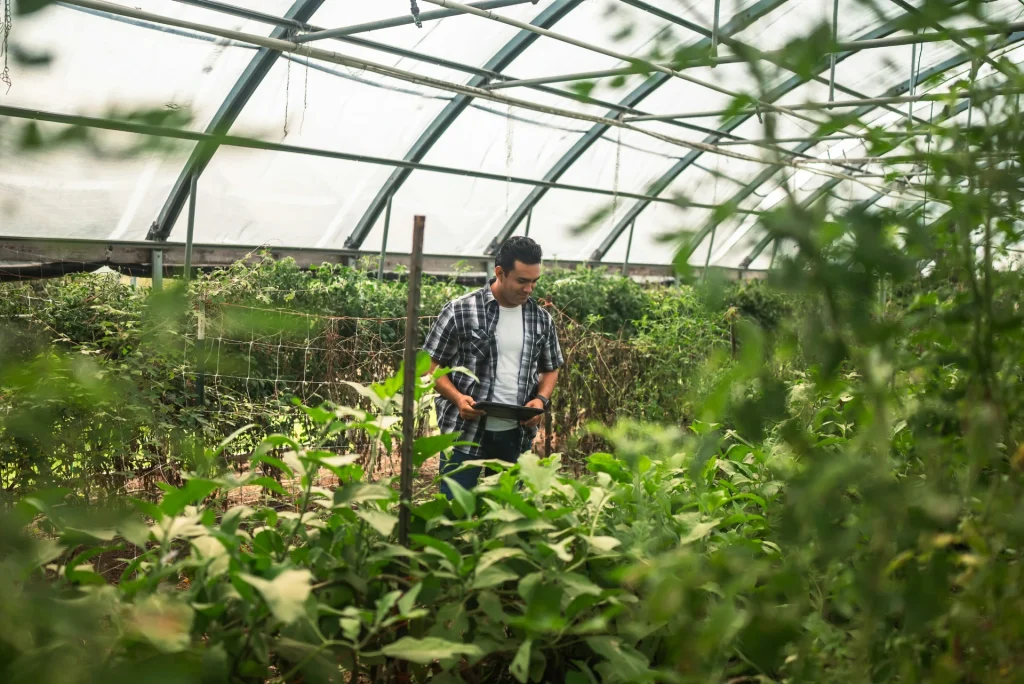
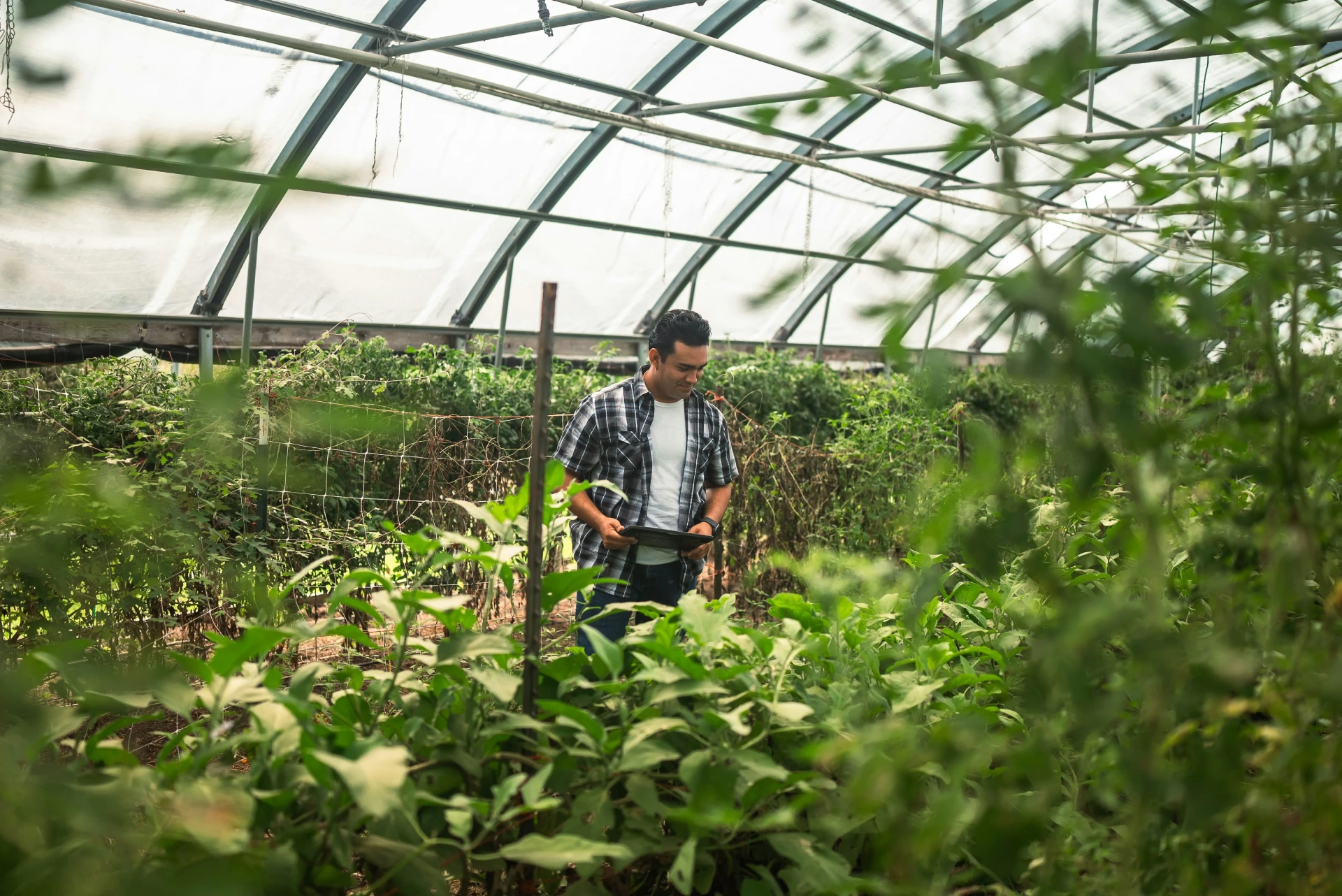
On October 6th 2026, only 7 commodity ships passed through the Strait of Hormuz. This was the lowest figure since July 23rd. It was in this context that Abu Dhabi Agriculture and Food Safety Authority (ADAFSA) announced a five-pillar, 13-program agriculture strategy at Global Food Week. The goal is to raise self-sufficiency in basic commodities from 30% to 70% by 2040, and to halve farm water use, from 24,700 to 12,700 m³ per hectare each year.
Abu Dhabi is also in pursuit of a coordinated delivery system. It seeks to move from individual initiatives to an integrated system for agriculture and food security. The strategy also targets a rise in the agriculture sector’s contribution to the Emirate’s economy from AED 9.5 billion to AED 34.6 billion by 2040. They also aim to move the UAE from 26th in the Global Food Security Index into the global top 5 by 2040.
Global Food Week ended with a surge in agreements. The topic of ‘water’ rose to the top of the political agenda, along with ‘AI’. Participants signed 97 agreements worth AED 6.9 billion, which marked an increase of 5% in value compared to 2025. Deal count grew far faster than value, with a growing number of MoUs rather than large capital commitments.
SOMA’s Perspective:
For this new strategy, the focus should be in preventing fragmentation between production, water use, distribution, technology adoption and finance. SOMA believes that delivering this ambition will need each of the programs to have a named owner, a validated baseline and a budget, with progress reviewed across food, water and finance rather than separately. The implementation of these programs needs a ‘system-level’ coordination that SOMA MATER provides, with a solution strategy for all 5 pillars of ADAFSA’s new strategy.
Sources:
Harvesting The Link: Abu Dhabi’s Qitaf City Connects Farms, Housing And Rail
#FoodandWaterSecurity
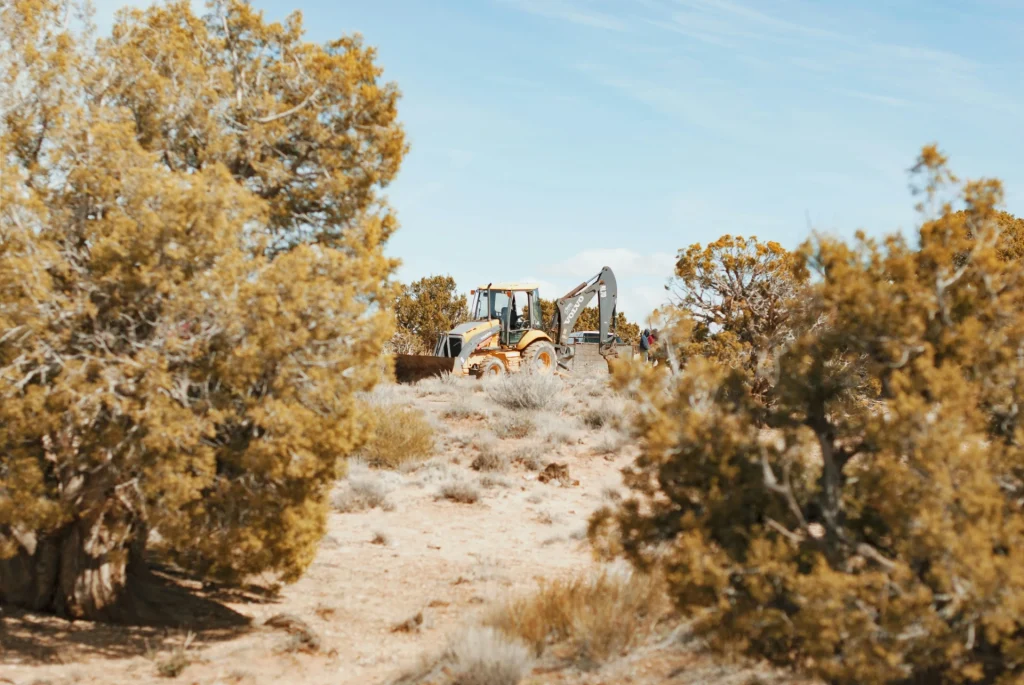
Abu Dhabi is positioning Qitaf City as a new boost to its food security. The 4m m² development located at Al Haffar will be twice the size of Monaco and sit beside the Etihad Rail line. It will combine farms, agtech, aquaculture and housing. Villas, townhouses and Emirati housing will sit alongside agricultural and agtech projects.
The project will connect food production, community, and logistics. Qitaf City will be about 40 minutes from Abu Dhabi and Al Ain as well as Dubai’s Al Maktoum International Airport. Freight access along the Etihad Rail could strengthen logistics as the UAE seeks greater resilience under the current geopolitical situation in the MENA region.
This represents food-security capacity going beyond just one site. Qitaf Holding was recently established as the agricultural arm of Abu Dhabi National Investment & Development (ADID) and is pursuing projects across countries in Africa and Asia. During the recent Global Food Week, it spearheaded the launch of a green corridor between Tanzania and the UAE. These initiatives connect a new agricultural city with regional projects and cross-border supply links.
SOMA’s Perspective:
The recent geopolitical conflict has increased the value of reliable logistics. For this reason, the Etihad Rail line being located beside the development creates significant opportunity. These connections will need to translate into dependable supply, rather than treating the city, rail access and green corridors as separate achievements.
Blue Horizons: Egypt Building a National Strategy for Its Blue Economy
#FoodandWaterSecurity
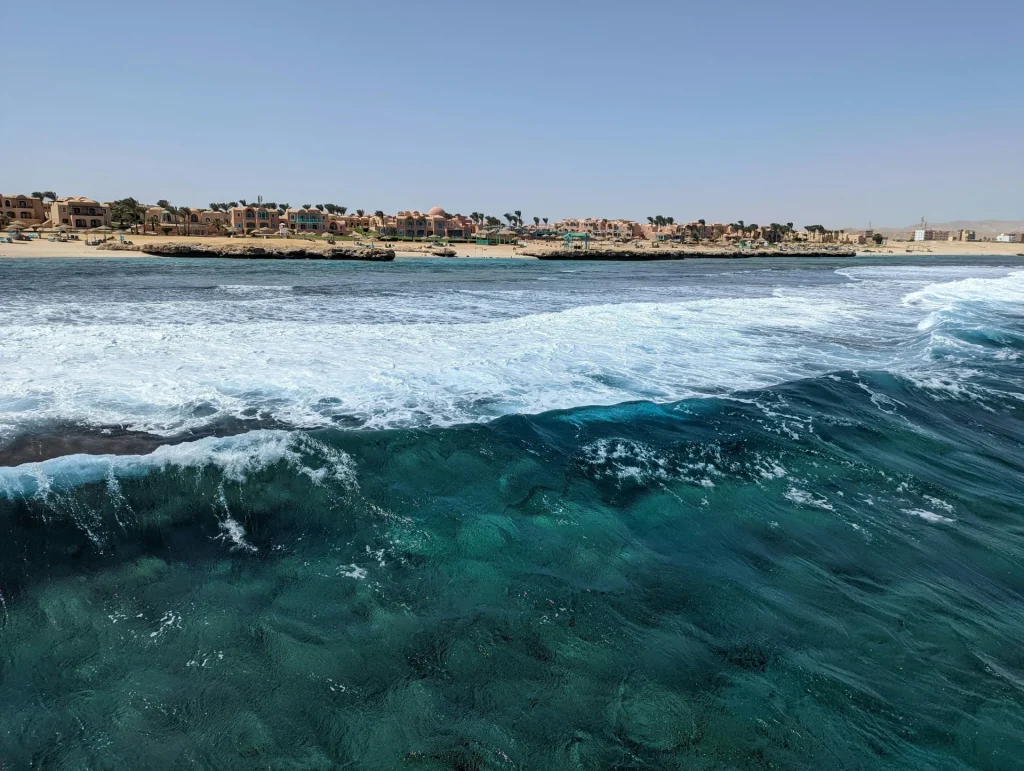
Egypt is developing a more coordinated plan for its blue economy. This includes a national strategy supported by the World Bank and other partners. The country’s main blue economy sectors include fishing and aquaculture, maritime transport and ports, the Suez Canal, and coastal tourism. This is followed by supporting industries like logistics, shipbuilding and maintenance, and river transport. Marine biotechnology and renewable energy, seawater desalination, and wastewater treatment are newer emerging sectors.
Egypt has big ambitions for the sector. Desalination capacity has been rising from 84,000 cubic meters per day in 2014 to over 1 million cubic meters per day in 2026. There are currently 14 new private-sector projects targeting 2.36 million cubic meters per day. The country is aiming for 10 million cubic meters of desalinated water per day.
Yet this growth will depend on local resources and healthy ecosystems, such as the health of coral reefs and fisheries, beaches, and water quality. Energy-intensive desalination produces brine and requires more efficient technology alongside lower-emission energy sources. Egypt is already modernizing port infrastructure and seeking cooperation with major companies to expand desalination projects.
SOMA’s Perspective:
Egypt’s blue economy ambition rests on a tension between expanding water-intensive activity and protecting the underlying ecosystems. This points to a larger role for private investment, with efficiency and lower-emission power being central to whether that growth is sustainable. Egypt’s national strategy should be assessed by whether ports, water projects and ocean-based industries grow without eroding the natural assets on which they depend.
If you’d like to know more, contact us at:
Subscribe To Our Newsletter
Categories
- Events 6
- Intelligence Reports 2
- Newsletter 29
- Uncategorized 0
- Whitepapers 6