

Soma Mater Newsletter – 03.08.2026
Welcome to the SOMA MATER weekly newsletter.
At SOMA MATER, we deliver comprehensive research and advisory services focused on Food & Water Security and Net Zero Transition in the MENA Region. To help our clients navigate these topics and understand the regional narrative, we accelerate problem-solving and unlock new opportunities through Strategic Advisory and/or Projects.
This weekly newsletter highlights the top 3 stories from the past week in Food and Water Security and Net Zero transition, along with SOMA MATER’s analysis and perspective.
How will the UAE close its green skills gap across energy, construction, and water management to meet climate and growth plans?
Can Saudi Arabia scale native-species afforestation to cool cities while meeting Vision 2030 and conserving water
Will Egypt’s investment-backed ecotourism model in Nabq protect biodiversity while funding long-term management of protected areas?
Sustainably yours,
The SOMA team
Green Skills Gap: The UAE’s Race To Staff A Sustainable Economy
#GreenJobs

The UAE is shifting to a sustainable economy, and the transition is now unavoidable. Demand for green skills is rising across energy, construction, and water management. Many organisations are already feeling the gap between hiring needs and available talent. Closing that gap will shape how fast the country can deliver its climate and growth plans.
Green jobs are accelerating because policy is pushing renewable energy investment and rewarding low carbon projects. This momentum is positioning the UAE as a regional hub for sustainable business and new operating models. National targets are also tied to global commitments that investors are tracking closely. The result is a labour market that is growing in volume and changing in quality.
The fastest growth is in roles that require renewable know-how plus sustainable construction and environmental management expertise. Universities and technical schools are responding by building programmes around green competencies that employers can measure. ManpowerGroup Middle East and other partners are importing global best practices to keep training aligned with demand. The rapid pace of technological change raises the stakes for continuous learning, yet renewables spending still points to a promising future for teams that can hire and retain specialised green talent. The UAE is well-positioned to become a global leader in environmental business practices with the right workforce strategy in place.
SOMA’s Perspective:
Policy-driven renewable investment is accelerating faster than the talent pipeline can supply credible green skills across energy, construction, and water management. For the UAE, this could shape whether climate and growth plans translate into deliverable projects, and it will determine which organisations can capture the shift toward sustainable business models as the labour market changes in both volume and quality. Readers should watch how training programs turn “green competencies” into measurable, hireable capabilities and whether employers can keep pace with rapid technological change while retaining specialised talent.
Cooling The Concrete: Saudi Arabia Pitches Afforestation As A Fast Track To Cooler Cities
#ClimateChange

Afforestation is being positioned as a fast and practical way to cool cities while advancing climate goals. Saudi Arabia’s Ministry of Environment, Water and Agriculture calls it a primary natural strategy to cut rising urban temperatures. Trees cool streets by adding shade and releasing water vapor through transpiration. Each tree can absorb up to 150 kg of CO₂ annually.
Afforestation is also being framed as a policy tool that supports Saudi Vision 2030 and long term sustainability targets. The Ministry is urging the use of native tree species to fit local conditions and reduce water demand. It is also stressing proper summer agricultural practices to protect existing tree cover. The broader pitch links greener urban spaces to air quality, quality of life, and physical activity.
Regional coordination is accelerating through the Middle East Green Initiative, and it is now moving from targets to implementation. At the 20th executive committee meeting members reviewed progress toward 35.4 billion trees and 99.4 million hectares of land rehabilitation. They also reviewed decisions from the 2nd ministerial council meeting held in Jeddah on January 29, 2026. H1 2026 updates cited capacity-building programs, expanded partnerships and the approval of Five internal policies plus a five-year strategy and roadmap under the initiative launched in March 2021 with goals that include 50 billion trees, 200 million hectares, and cutting emissions by more than 60%. A formal governance framework, including a dedicated secretariat headquartered in Riyadh, was established in October 2022.
SOMA’s Perspective:
Afforestation is being sold as a fast, city-cooling fix even as delivery depends on water-smart species choices, seasonal practices that protect existing cover, and sustained coordination beyond headline targets. For Saudi Arabia, linking trees to Vision 2030 and quality-of-life outcomes raises the stakes for turning the Middle East Green Initiative’s governance—its secretariat, internal policies, and five-year roadmap—into on-the-ground execution that can credibly advance land rehabilitation while keeping resource constraints in check. It’s important to watch whether the push for native species and capacity-building translates into implementation discipline as progress toward billions of trees and millions of hectares moves from meetings into measurable results.
Protected Profits: Egypt Turns Reserves Into Investment-Backed Ecotourism
#Ecotourism
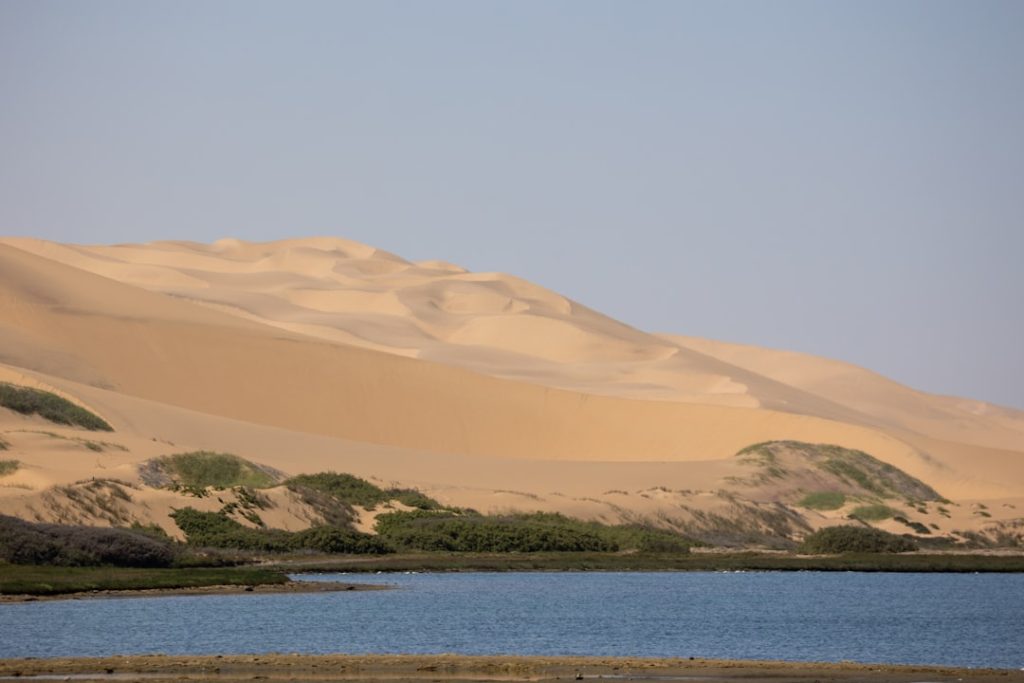
Egypt is pitching protected areas as sustainable ecotourism destinations backed by environmentally responsible investment. The Ministry of Local Development and Environment is framing this as a national playbook for parks and reserves. The message is to protect nature while attracting projects that can pay for long term management. The plan is built around environmental conservation and sustainable economic use in the same sites.
Nabq is now the test case for this model and it comes with a detailed blueprint. A consultant delivered a master plan organized around three pillars: environmental protection, sustainable tourism, and compatible economic activity. The plan maps Nabq’s environmental and cultural assets, and it flags the legal and operational constraints. Officials presented the plan as the base document for decisions on zoning and enforcement.
The investment pipeline is large, and it is being packaged for execution. The master plan lists 41 environmentally compliant investment opportunities that aim to generate returns without damaging sensitive habitats. It includes eco-lodges, sustainable accommodation, camping, eco-adventure activities, and educational/cultural experiences to spread demand across seasons. The minister ordered a comprehensive infrastructure plan first, covering external parking, electric transport within the reserve, integrated environmental monitoring, and advanced waste management systems. Expansion is planned for Abu Galum and Ras Mohammed Protected Areas with integrated waste management systems for marinas and harbours, and a specialist will install and maintain marine buoys to protect coral reefs, marine biodiversity, and water quality from uncontrolled vessel mooring.
SOMA’s Perspective:
Egypt’s investment-backed ecotourism push rests on a hard trade-off: protected areas must stay ecologically intact while also being investable, so zoning, enforcement, and compliance capacity—not marketing—will decide what is actually possible. In Nabq, the three-pillar master plan and its 41 “compliant” opportunities only become credible if the state can sequence the basics first—access, electric internal transport, monitoring, and waste systems—without loosening environmental standards to keep projects moving. The real test is whether this model can scale to Abu Galum and Ras Mohammed without diluting infrastructure discipline or safeguards, including marina waste controls and maintained marine buoys that prevent unmanaged vessel damage.
If you’d like to know more, contact us through:
Subscribe To Our Newsletter
Categories
- Events 3
- Intelligence Reports 2
- Newsletter 25
- Uncategorized 0
- Whitepapers 6