Soma Mater Newsletter – 30.03.2026
Welcome to the SOMA MATER weekly newsletter.
At SOMA MATER, we specialize in delivering comprehensive research and advisory services with a focus on Food & Water Security and Net Zero Transition in the MENA Region. In order to support our subscribing clients in navigating these topics and understanding the regional narrative, we produce monthly Food and Water Security and Net Zero Transition Intelligence Reports, along with our in-depth analysis and insights.
This weekly newsletter highlights the top 3 stories from the past week in Food and Water Security and Net Zero transition, along with SOMA MATER’s analysis and perspective.
Not All Droughts Are Created Equal: Why Governance Beats Geography in Water
#FoodandWaterSecurity
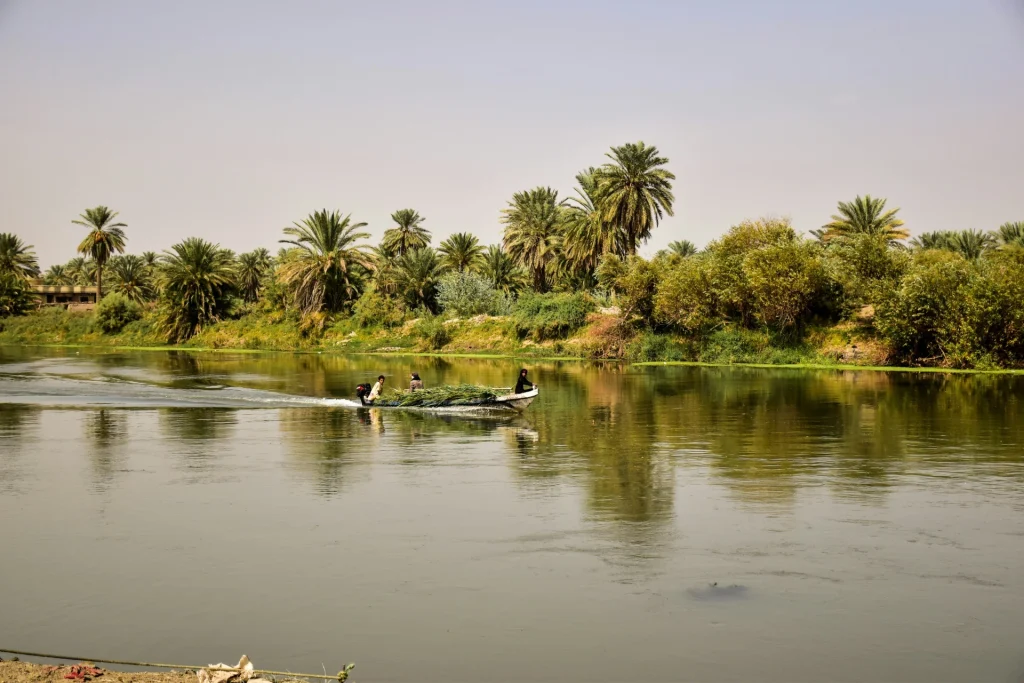
Water scarcity has been focused primarily on availability—but new research reveals a more complex reality. Today, water stress is shaped by environmental, political, economic, technological, and social variables. The surge in research on “water resilience” reflects this shift: publications jumped from 97 papers in 2020 to 582 in 2024.
Recent research has developed the Integrated Water Strategic Resilience Index (IWSRI), a tool that measures water scarcity by combining water availability, quality, climate resilience, and socio-political considerations. When applied across the MENA region, it reveals that countries like Israel, Turkey, Qatar, and the UAE demonstrate high water resilience thanks to strong infrastructure and governance, while Yemen, Syria, and Libya face critically low resilience driven by conflict and poor management. The findings underscore that water scarcity isn’t just about how much water exists—it is about how well it is managed.
The evidence shows that governance matters more than natural endowment. Better-governed countries show stronger climate resilience and adaptation capabilities, regardless of their physical water resources. The UAE and Qatar exemplify this: despite scarce renewable water, both rank highest in socio-economic resilience and governance. Cooperation over shared water resources has historically exceeded conflicts, creating frameworks for sustainability and regional stability.
SOMA’s Perspective:
Water is becoming an increasingly important topic for political reasons. This matters because substantial capital flows into water infrastructure—and it must be grounded in frameworks that capture the full complexity of water systems. Not just how much water exists, but how well it is managed, governed, and protected against future shocks. Comprehensive indexes like this will become essential to SOMA’s research as we navigate both the environmental and geopolitical dimensions of water security.
Iftar o'Clock: When Saudi Arabia's Taps (and Power Grids) Work Overtime
#FoodandWaterSecurity #NetZeroTransition
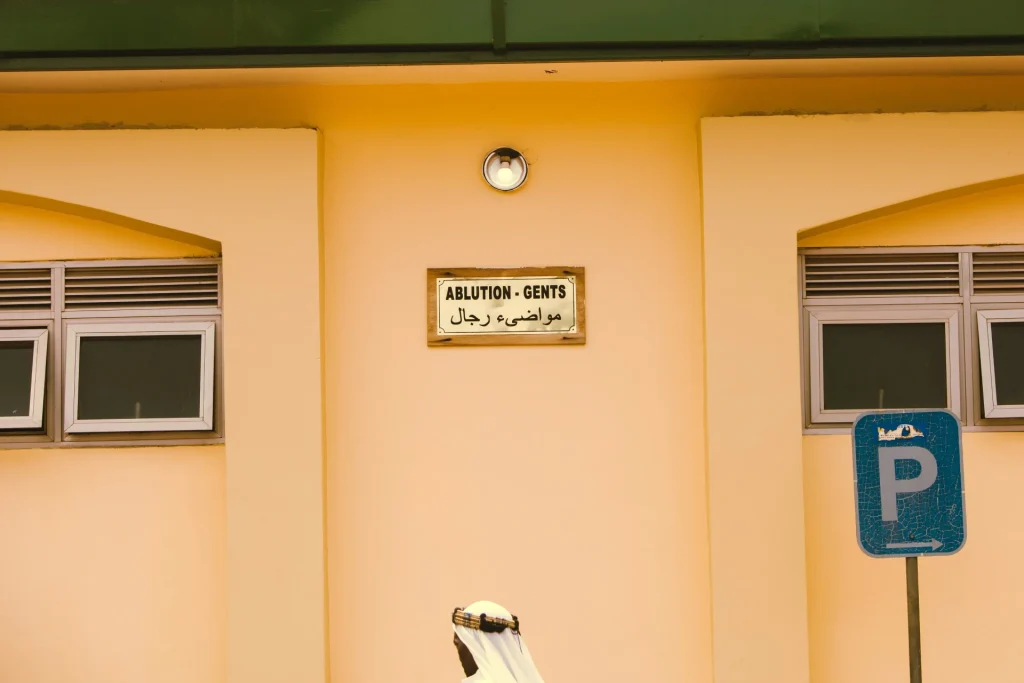
During Ramadan, water demand rises significantly in Saudi Arabia. This is driven by increased consumption around iftar and suhoor. This year, the National Water Company planned to distribute about 11 million cubic meters of water daily during the holy month, compared to around 10 million cubic meters daily in 2025. Peak usage late at night and early morning strain both water and energy systems because most drinking water comes from energy-intensive desalination.
This underscores the value of integrating renewable energy into water production. Solar power aligns well with daytime desalination demand, while energy storage systems—now priced at roughly one-third of their 2020 levels—can shift renewable output to evening peaks. Hybrid systems combining renewable and conventional power sources offer the flexibility utilities need to manage fluctuating demand, especially as desalination plants already operate near maximum capacity. During seasonal peaks like Ramadan, they are forced to run inefficiently.
There is a need to strengthen the resilience of water systems. Some Gulf states are decentralizing networks and expanding emergency storage, with Abu Dhabi and Doha experimenting with underground aquifer storage. Qatar‘s new water law protects scarce groundwater, while Saudi Arabia incentivizes smaller, privately-operated desalination facilities. Egypt is also opening plant operations to private companies, signaling a regional shift toward more diversified and resilient water infrastructure.
SOMA’s Perspective:
Ramadan offers a clear lens into the intersection of water, energy, and climate policy in the Gulf. When demand surges, systems built on desalination reveal their structural dependencies. These are water, energy, infrastructure, and increasingly climate resilience challenges. Governments in the region are responding: decentralized networks, private operators, renewable integration, aquifer storage—are signals of a broader shift.
Grain Ambitions: Egypt Harvesting Record Wheat
#FoodandWaterSecurity
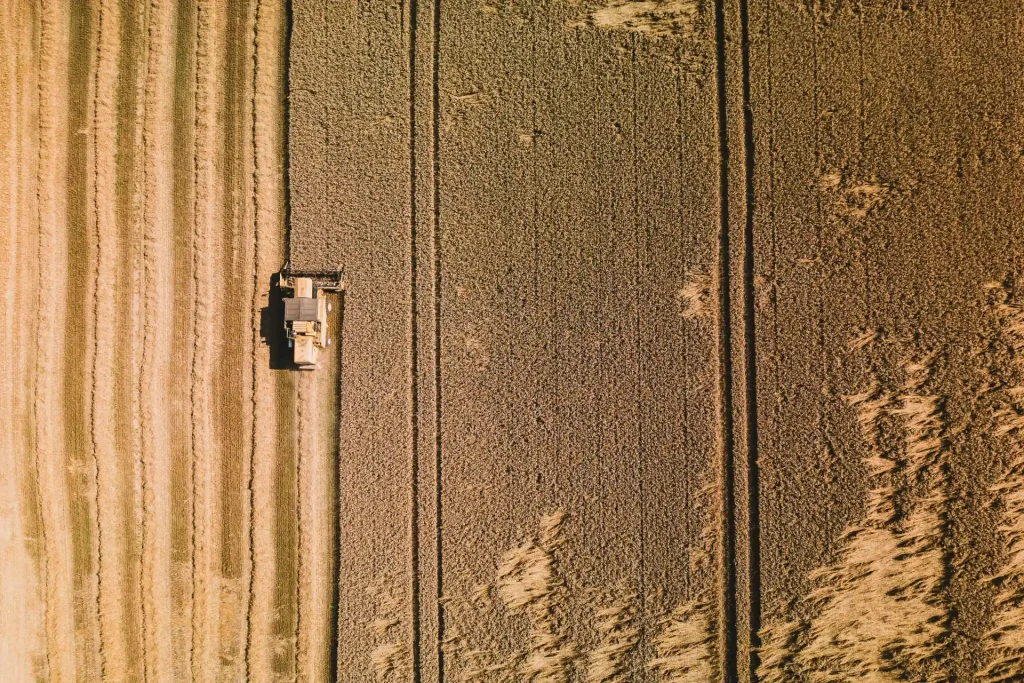
Wheat production in Egypt is on track to reach 9.8 million tonnes in 2026-27. This is a 6% increase that could mark the second-largest harvest on record. The growth is driven by expanded cultivation across a record 1.5 million hectares, incentivized by higher government procurement prices. As domestic output rises, wheat imports are expected to fall by 200,000 tonnes to 12.5 million tonnes, reflecting the government’s push for greater food security through self-sufficiency.
Over the past 3 years, private companies have quietly reshaped Egypt’s wheat market, now dominating imports of US wheat and expanding flour production for regional export. Egypt is forecast to ship 1.2 million tonnes of flour in 2026-27—a 20% jump—playing its role as key supplier to African and Middle Eastern markets. This dual dynamic of rising domestic production and growing export capacity represents Egypt’s current role in regional grain flows.
Yet there are deeper challenges. Wheat is water-intensive and poorly suited to Egypt’s warming, drought-prone climate. Rice cultivation, though legally restricted, persists illegally on a wide scale. Experts now recommend shifting toward heat- and drought-resistant wheat varieties, expanding cultivation to more suitable zones outside Upper Egypt, and incorporating climate metrics into policy.
SOMA’s Perspective:
Egypt’s wheat story reflects the tension at the heart of food security across the MENA region: the imperative to produce more with the reality that conventional strategies will not hold under future climate pressure. Expanding wheat cultivation may bring a steep ecological cost—drawing heavily on water resources. The path forward is not just about growing more, it is about growing smarter.
SOMA MATER is writing Intelligence Reports on the topics of Food and Water Security and Net Zero Transition. If you’d like to know more, contact us through the link below:
Subscribe To Our Newsletter
Categories
- Events 4
- Intelligence Reports 2
- Newsletter 27
- Uncategorized 0
- Whitepapers 6